Dermalogica Breakout Clearing Booster for sensitive skin

 Salicylic Acid
 Niacinamide
 Glycerin
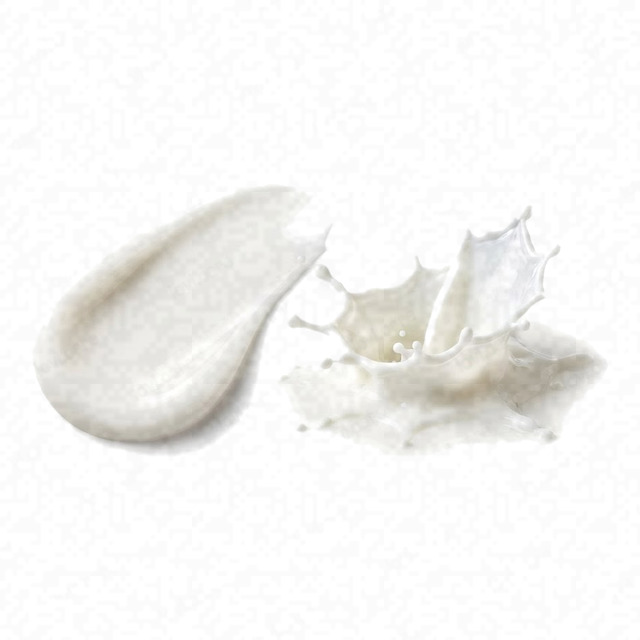 Lactic Acid
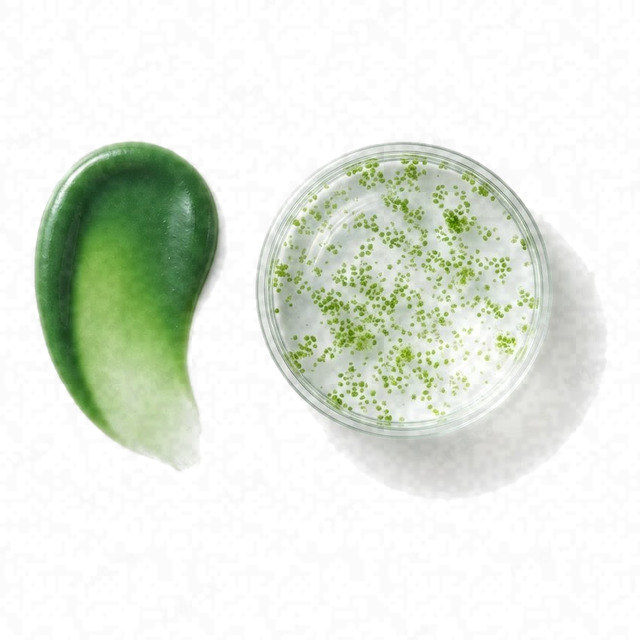 Chlorella Vulgaris Extract
Average
- HighNormal Skin Fit
- AverageEffectiveness
- HighSafety
Works for sensitive skin; other serums fit it better.
This fit is calculated for the concerns frequently associated with sensitive skin: redness, stinging, and reactions to new products. For scores and recommendations based on your full skin profile, including your 12D face scan results and any goals or preferences you have, please use the Lovi app.
Page built Nov 8, 2026How the Fit score works
Lovi Assistant explains
- Offers moderate exfoliation for redness and irritation due to the presence of salicylic acid and lactic acid, which are beneficial for normal skin with niacinamide's anti-inflammatory action.
- The formula provides moderate treatment for acne-prone skin by exfoliating and decongesting pores.
- The product is safe for your sensitive skin as it lacks harsh ingredients and prohibited substances.
How to apply
- Use your serum in the PM routine, starting 3 times a week before building up to daily use if your skin is happy.
- Apply the serum after cleansing and toning, but before putting on your moisturizer for the best results.
- Gently press 2-3 drops of the serum into your skin and wait a minute ⏱ for it to soak in.
- Since your skin is sensitive and easily irritated, apply the serum on completely dry skin to help keep it calm.
- Always do a patch test before your first use and avoid getting the serum too close to your eyes .
People Say
★4.4Overall rating based on 200+ reviewsThis booster is highly praised for its ability to rapidly clear stubborn spots and prevent future breakouts, particularly for those with oily, combination, or acne-prone skin. While most users find it gentle and non-drying, a small subset of individuals with highly sensitive skin may experience stinging or dryness.
Highlights
Fast-acting results Mostly Mentioned
- “Cleared my face so quick”
- “Spots gone in days”
- “Works in 2 days”
Effective spot treatment Often Mentioned
- “Clears stubborn spots”
- “Works like a treat”
- “Best spot treatment”
Non-drying formula Often Mentioned
- “Doesn't dry out skin”
- “Gentle on my skin”
- “No irritation”
Easy to layer Sometimes Noted
- “Invisible under makeup”
- “Layers under moisturizer”
- “Not sticky”
Can cause dryness Sometimes Noted
- “Dries out skin”
- “Need to use moisturizer”
- “A bit drying”
Inconsistent effectiveness Rarely Noted
- “Didn't find it worked”
- “Doesn't make huge difference”
- “Just ok”
Potential stinging Rarely Noted
- “Caused major stinging”
- “Feels like intensive astringent”
- “Too strong”
Sources: lovi.care, dermalogica.com, dermalogica.co.nz, lovelyskin.com, spacenk.com, ulta.com, and more
Questions and answers
How well does Dermalogica Breakout Clearing Booster work for sensitive skin?
This treatment works reasonably well for sensitive skin, though other products fit it better because it offers moderate exfoliation and clears pores safely. A treatment for this skin needs gentle exfoliating acids, calming niacinamide, and hydrating ingredients to calm redness without causing irritation.
BioMed Research International, 2020Journal of Cosmetic Dermatology, 2024
Which ingredients make this booster a good fit for sensitive skin?
This booster contains salicylic acid and lactic acid to clear pores, alongside soothing niacinamide and glycerin to help keep sensitive skin calm and comfortable. Treatments that fit this skin better typically need gentle exfoliating ingredients paired with calming antioxidants and hydrating components to soothe redness without causing irritation.
Journal of Cosmetic Dermatology, 2024Journal of Drugs in Dermatology, 2023
What does Salicylic Acid do for sensitive skin?
Salicylic acid may cause irritation on sensitive skin, so it requires careful use and good sun protection to keep skin comfortable. A product for this skin type needs gentle, soothing ingredients and a mild formula that respects the skin barrier.
The British Journal of Dermatology, 1999International Journal of Toxicology, 2003
What does Niacinamide do for sensitive skin?
Niacinamide helps calm sensitive skin by strengthening the skin barrier and reducing redness and irritation. It is very well tolerated and may improve overall comfort and resilience with regular use.
Where does it go in a skincare routine for sensitive skin?
This treatment goes in the evening routine for sensitive skin after toning and before moisturizing, starting just once a week. Because it contains exfoliating acids, this product of this type needs gentle soothing ingredients and extra hydration to keep sensitive skin calm and comfortable.
Can I use this booster with retinol, and in what order?
You can use this booster with retinol, but apply them on alternating nights to help prevent dryness and irritation. This product needs soothing ingredients and gentle moisturizers to keep sensitive skin calm and smooth.
How often should I use it?
Start by using this treatment once a week in your evening routine, and if your skin feels calm and you see good results, you may carefully use it more often. A product for this skin needs gentle exfoliating ingredients and soothing hydrators like glycerin and niacinamide to keep skin soft and smooth.
BioMed Research International, 2020Journal of Cosmetic Dermatology, 2024
Can it clog pores, cause breakouts or purging for sensitive skin?
This treatment helps clear pores and breakouts with salicylic acid, but it may occasionally cause some dryness on sensitive skin. A product for this skin needs gentle calming ingredients and hydrating helpers like glycerin and hyaluronic acid to keep skin soft and smooth without irritation.
BioMed Research International, 2020Journal of Cosmetic Dermatology, 2024
Is this booster fragrance-free and alcohol-free?
Yes, it has no fragrance and no drying alcohol.
What the research says
A moisturizer containing licochalcone A, 1,2-decanediol, L-carnitine, and salicylic acid significantly reduced noninflammatory, inflammatory, and total acne lesion counts compared to a vehicle control in Thai patients during a 12-week maintenance phase.
BioMed Research International, 2020Twice daily application of a multitargeted dermocosmetic cream provided comparable efficacy to benzoyl peroxide 5% gel in reducing inflammatory, non-inflammatory, and total lesions in 150 Caucasian subjects with mild-to-moderate acne over 56 days, while demonstrating superior skin tolerability.
Journal of Cosmetic Dermatology, 2024The use of a salicylic acid-based dermocosmetic significantly reduces the needed quantity of benzoyl peroxide without impacting efficacy in mild to moderate acne, and as maintenance post-benzoyl peroxide allows a significant reduction of acne relapse compared to vehicle.
Journal of Drugs in Dermatology, 2023Cryotherapy with liquid nitrogen achieved a higher cure rate (39%) than salicylic acid (24%) and a wait-and-see approach (16%) for cutaneous warts at 13 weeks in primary care patients.
CMAJ, 2010Treatment with 2% supramolecular salicylic acid hydrogel resulted in a regression and markedly improvement rate of 51.01% compared to 43.10% for Adapaline gel in patients with mild to moderate facial acne vulgaris, showing no significant difference in efficacy.
Journal of Cosmetic Dermatology, 2024Topical 5% benzoyl peroxide plus salicylic acid achieved the greatest lesion reduction at early 2 to 4 week time points compared to benzoyl peroxide, clindamycin, and combination benzoyl peroxide/clindamycin, while 5% benzoyl peroxide plus salicylic acid and combination benzoyl peroxide/clindamycin showed similar efficacy at 10 to 12 weeks in acne patients.
Journal of the American Academy of Dermatology, 2010Topical post-laser application of human adipocyte-derived mesenchymal stem cell media combined with niacinamide significantly improved wrinkle index, melanin index, patient satisfaction, and investigator esthetic improvement scores compared to vehicle cream in patients with aging skin.
Journal of Cosmetic Dermatology, 2021Topical nicotinamide prevented solar-simulated UV-induced immunosuppression in healthy volunteers, and men experienced immunosuppression at solar-simulated UV doses three times lower than those required for women.
The Journal of Investigative Dermatology, 2008Topical 5% niacinamide applied twice daily for 12 weeks reduced fine lines and wrinkles, hyperpigmented spots, red blotchiness, and skin sallowness, and improved skin elasticity compared to vehicle control in 50 female white subjects with facial photoaging.
Dermatologic Surgery, 2005A single application of a moisturizing fluid containing hyaluronic acid 1%, glycerin 5%, and Centella asiatica stem cells extract significantly increased skin hydration by 29% and reduced transepidermal water loss at 24 hours compared to baseline and an untreated control site in twenty healthy women.
Clinical, Cosmetic and Investigational Dermatology, 2017The emollient V0034CR significantly reduced TEWL compared to vehicle and vehicle plus glycerol, and significantly increased corneometry scores compared to vehicle and vehicle plus petrolatum in healthy volunteers with dry skin, demonstrating combined barrier function improvement from petrolatum and hydration improvement from glycerol.
Journal of Cosmetic Dermatology, 2020Ten days of treatment with a cream containing 20% glycerin significantly increased skin hydration measured by corneometer values in 17 healthy volunteers compared to a placebo cream, but showed no influence on transepidermal water loss or skin sensitivity to an irritating surfactant.
International Journal of Cosmetic Science, 2001Application of a cream containing lactic acid 12% and pramoxine HCl 1% significantly improved skin dryness, hydration, and itch compared with a nontreated control in 24 women with a history of dry itchy skin.
Cutis, 2004Topical 12% ammonium lactate produced a significant sparing of epidermal and dermal atrophy induced by clobetasol propionate in human volunteers, without influencing the corticosteroid's bioavailability or antiinflammatory properties.
Journal of the American Academy of Dermatology, 1992A lactic acid/ceramide lotion significantly improved skin moisturization and desquamation compared to no treatment in women with dry, rough skin on the anterior shins.
The Journal of Clinical and Aesthetic Dermatology, 2020Lipid extracts of Chlorella vulgaris and Arthrospira platensis protect Normal Human Dermal Fibroblasts against UVA-induced oxidative stress and 2-propanol-induced IL-6 expression in vitro.
Food Science and Technology International = Ciencia Y Tecnologia de Los Alimentos Internacional, 2026Oral and topical administration of ROQUETTE Chlorella sp. at higher doses significantly reduced skin inflammation scores and improved the healing process and duration of skin wounds in mice compared to untreated models.
Anti-inflammatory & Anti-allergy Agents in Medicinal Chemistry, 2014Resilient factor (RF, an aqueous extract fraction of Chlorella) suppressed PMA- and UVB-induced MMP1 production, protein, and gene expression, prevented UVB-suppressed elastin protein, and increased pro-collagen mRNA expression in human skin fibroblasts compared to untreated controls.
European Journal of Dermatology, 2008
Ingredients
Water, Ppg-15 Stearyl Ether, Glycerin, Butylene Glycol, Isopropyl Lauroyl Sarcosinate, Niacinamide, Salicylic Acid, Cetearyl Glucoside, Polysorbate 20, Chlorella Vulgaris Extract, Thymol, Terpineol, Citrus Aurantium Dulcis Peel Oil, Chondrus Crispus Extract, Lactic Acid, Sodium Hyaluronate, Tocopherol, Dimethicone, Lecithin, Pullulan, Sclerotium Gum, Xanthan Gum, Propanediol, Gluconolactone, Silica, Ethylhexylglycerin, Tetrasodium Glutamate Diacetate, Sodium Citrate, Sodium Benzoate, Sodium Hydroxide, Phenoxyethanol
Behind this fit score
Lovi calculates every fit score from the full ingredient list with brand-independent rules our dermatologists and cosmetic chemists build and review, and personalizes every pick with AI trained on the real results of millions of users. Lovi trains its fit score models on a proprietary dataset built from more than 10,000 expert-labeled products and more than 100,000 simulated examples, following an internally consistent methodology presented at Cosmoprof, AMWC, and Skin of Color Update.
-

Co-founder, Medical Director
Cosmetic chemist, cosmetologist, aesthetic products developer
-

Co-founder, CEO and CTO
PhD in computer science, 3x US patent holder, ex-Google, ex-Yandex
-

Dr. Sofía Perea Pérez, MD, MSc
Medical Board
Aesthetic medicine practitioner, MSc in Longevity and Anti-Aging Medicine
-

Medical Board
Specialist dermatologist, MBBS, MD, IFAAD
-

Medical Board
Cosmetic chemist, SCS, IFSCC member
-

Medical Board, Medical Advisor
Dermatology MD
-

Elina Nazarenko, MD
Medical Board
Dermatology and diagnostic consultant
-

Victoria Derkova, MS
Medical Board
Cosmetic chemist, cosmetic development technologist


How does it fit your skin?
Scan your face, then any product: Lovi shows how well it fits you and what fits even better.