Calmoseptine Ointment for combination skin

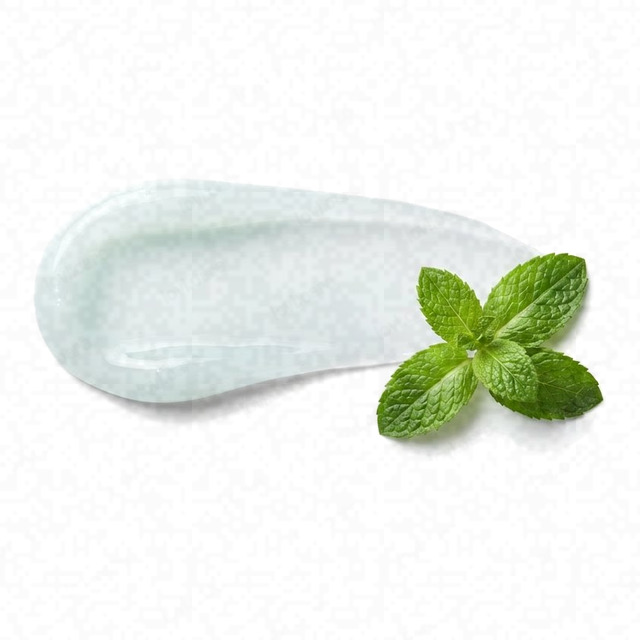 Menthol
 Zinc Oxide
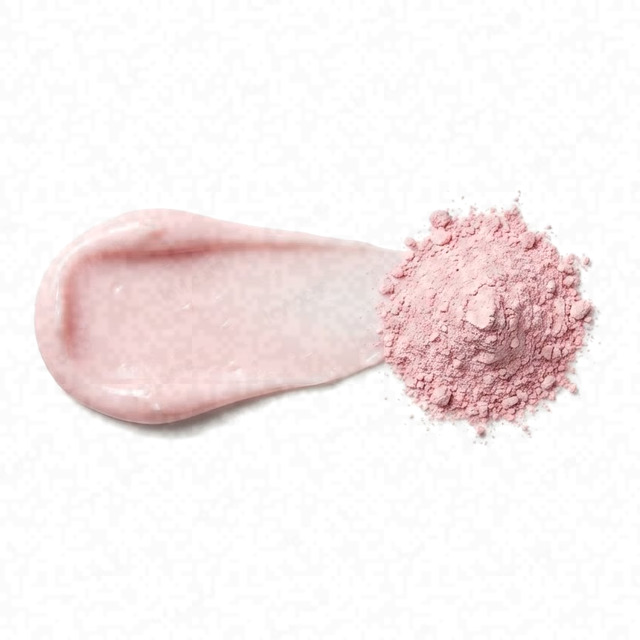 Calamine
 Chlorothymol
 Glycerin
Warning
- AverageCombination Skin Fit
- AverageEffectiveness
- WarningSafety
A poor match for combination skin; the products alongside fit it better.
This fit is calculated for the concerns frequently associated with combination skin: an oily T-zone, enlarged pores, and dry cheeks. For scores and recommendations based on your full skin profile, including your 12D face scan results and any goals or preferences you have, please use the Lovi app.
Page built Nov 8, 2026How the Fit score works
Questions and answers
Why does Lovi advise against Calmoseptine Ointment for combination skin?
This ointment is a poor match because it lacks the ingredients needed to balance oily and dry areas on combination skin, such as niacinamide, propolis, or zinc PCA to manage shine and provide proper hydration without irritation.
Which ingredients make this ointment a poor fit for combination skin?
This ointment is a poor fit for combination skin because it uses heavy ingredients like lanolin and zinc oxide meant to block moisture and protect raw areas, which can feel too thick and clog the oily parts of your face. Combination skin needs lighter ingredients like niacinamide, zinc PCA, and propolis to balance oily shine and keep the skin hydrated without feeling greasy.
What does Menthol do for combination skin?
Menthol helps cool combination skin and may calm itchy feelings. It gives a refreshing sensation, but because it can sometimes dry out certain areas, it is unlikely to suit flaky or sensitive spots without extra moisture.
Neuroscience Letters, 1995The British Journal of Dermatology, 2024
What does Zinc Oxide do for combination skin?
Zinc oxide helps calm oily and breakout-prone areas while protecting dry spots without clogging pores. This ingredient is unlikely to cause irritation and safely manages shine and redness.
Journal of Controlled Release, 2025Dermatologic Therapy, 2018
Where does this ointment go in a skincare routine for combination skin?
This ointment is a poor match for combination skin, so it is best to skip it in your routine. Combination skin needs lightweight hydrators and gentle balancing ingredients rather than heavy barrier ointments.
Can I use this ointment with hydrocortisone, and in what order?
It is generally best to ask your doctor before layering this ointment with hydrocortisone, as combining active medicated products can sometimes cause unexpected irritation. If your doctor approves, apply the hydrocortisone first and let it absorb completely before adding this ointment on top to seal it in.
How often should I use this ointment?
This ointment is a poor match for combination skin, so it is best to avoid using it daily or regularly on your face. A product of this type needs soothing and balancing ingredients like glycerin to hydrate dry areas without making oily zones greasy.
Can this ointment clog pores, cause breakouts or purging for combination skin?
This ointment is a poor match for combination skin and may clog pores or cause breakouts because it is a very thick barrier cream with lanolin and heavy ingredients meant to protect irritated skin rather than balance oily and dry areas. Combination skin needs a lightweight moisturizer with glycerin or hyaluronic acid to hydrate dry spots without trapping oil.
Is this ointment fragrance-free and alcohol-free?
Yes, it has no fragrance and no drying alcohol.
What the research says
Coadministration of 40% topical L-menthol with 10% trans-cinnamaldehyde reduced spontaneous pain intensity, neurogenic inflammation, primary and secondary mechanical hyperalgesia, and heat hyperalgesia, but not cold hyperalgesia, in 14 healthy volunteers.
The Journal of Pain, 2016Topical application of menthol-based cooling gel decreased intramuscular temperature by 1.9 °C and increased cutaneous blood flow by 0.3 ml/min in healthy males compared to placebo gel.
International Journal of Sports Physical Therapy, 2018Cooling skin temperature or applying topical menthol reduced histamine-induced itch intensity and flare diameters in healthy male volunteers.
Neuroscience Letters, 1995Topical 0.5% hyaluronic-ZnO nanogel applied twice daily reduced inflammatory-lesion counts by 58% at week four in human subjects compared to baseline without causing erythema.
Biomedicines, 2025Nels cream achieved a similar reduction in inflammatory and noninflammatory lesion counts compared to 5% benzoyl peroxide in acne vulgaris patients, but caused significantly fewer side-effects such as peeling and dryness.
Clinical and Experimental Dermatology, 2000Topically applied coated and uncoated zinc oxide nanoparticles under flexing and massage are retained in the stratum corneum with no significant penetration into the viable epidermis and no cellular toxicity in human skin.
Nanomedicine, 2016Topical zinc oxide 20% ointment achieved a complete cure in 50% of patients with warts compared to 42% in the salicylic acid-lactic acid group, with no serious side-effects.
International Journal of Dermatology, 2007A single application of a moisturizing fluid containing hyaluronic acid 1%, glycerin 5%, and Centella asiatica stem cells extract significantly increased skin hydration by 29% and reduced transepidermal water loss at 24 hours compared to baseline and an untreated control site in twenty healthy women.
Clinical, Cosmetic and Investigational Dermatology, 2017The emollient V0034CR significantly reduced TEWL compared to vehicle and vehicle plus glycerol, and significantly increased corneometry scores compared to vehicle and vehicle plus petrolatum in healthy volunteers with dry skin, demonstrating combined barrier function improvement from petrolatum and hydration improvement from glycerol.
Journal of Cosmetic Dermatology, 2020Ten days of treatment with a cream containing 20% glycerin significantly increased skin hydration measured by corneometer values in 17 healthy volunteers compared to a placebo cream, but showed no influence on transepidermal water loss or skin sensitivity to an irritating surfactant.
International Journal of Cosmetic Science, 2001
Ingredients
Menthol, Zinc Oxide, Calamine, Chlorothymol, Glycerin, Lanolin, Phenol, Sodium Bicarbonate, Thymol
Behind this fit score
Lovi calculates every fit score from the full ingredient list with brand-independent rules our dermatologists and cosmetic chemists build and review, and personalizes every pick with AI trained on the real results of millions of users. Lovi trains its fit score models on a proprietary dataset built from more than 10,000 expert-labeled products and more than 100,000 simulated examples, following an internally consistent methodology presented at Cosmoprof, AMWC, and Skin of Color Update.
-

Co-founder, Medical Director
Cosmetic chemist, cosmetologist, aesthetic products developer
-

Co-founder, CEO and CTO
PhD in computer science, 3x US patent holder, ex-Google, ex-Yandex
-

Dr. Sofía Perea Pérez, MD, MSc
Medical Board
Aesthetic medicine practitioner, MSc in Longevity and Anti-Aging Medicine
-

Medical Board
Specialist dermatologist, MBBS, MD, IFAAD
-

Medical Board
Cosmetic chemist, SCS, IFSCC member
-

Medical Board, Medical Advisor
Dermatology MD
-

Elina Nazarenko, MD
Medical Board
Dermatology and diagnostic consultant
-

Victoria Derkova, MS
Medical Board
Cosmetic chemist, cosmetic development technologist


How does it fit your skin?
Scan your face, then any product: Lovi shows how well it fits you and what fits even better.