Alastin Ultra Light Moisturizer for oily acne-prone skin

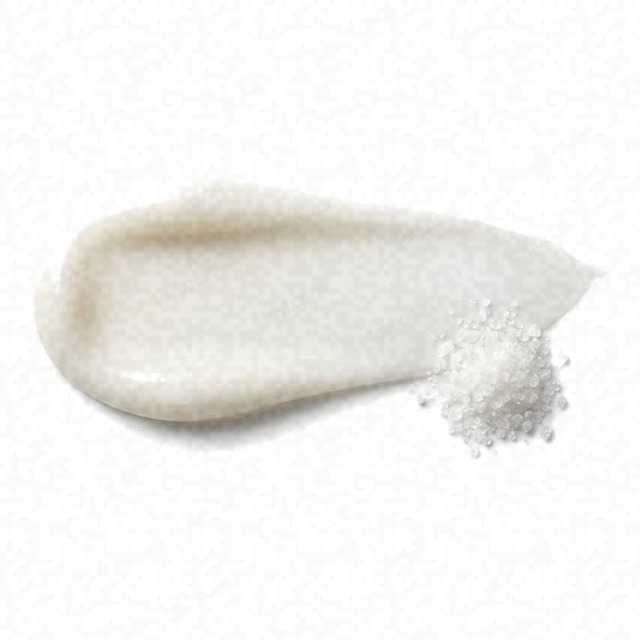 Palmitoyl Tripeptide-1
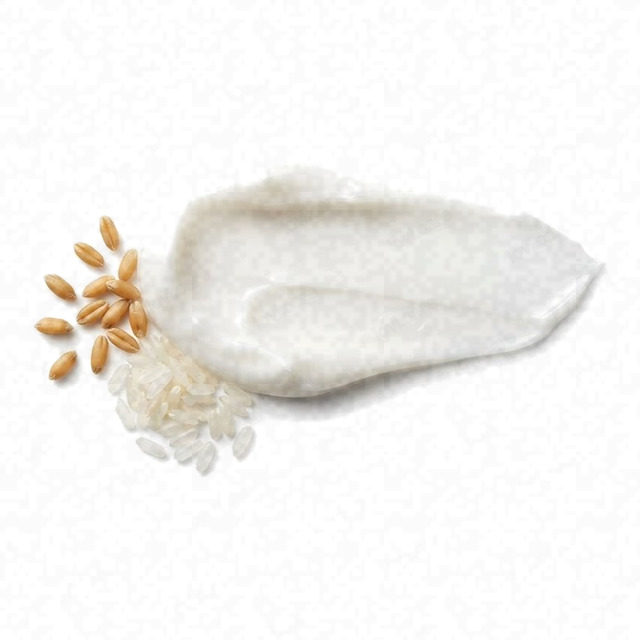 Ceramide Np
 Squalane
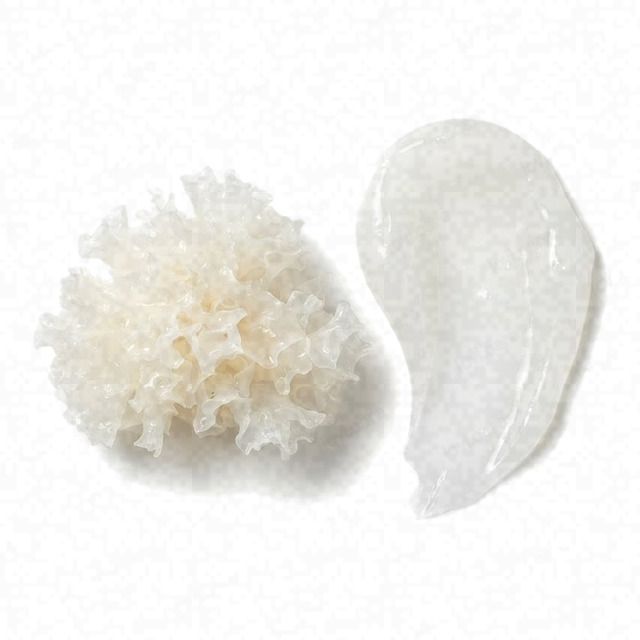 Tremella Fuciformis Sporocarp Extract
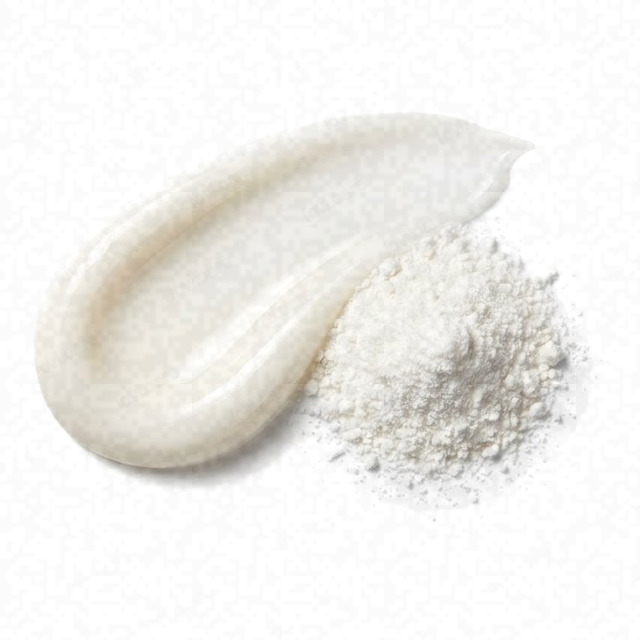 Trihex Technology
Average
- HighOily Skin Fit
- AverageEffectiveness
- ExcellentSafety
Works for oily acne-prone skin; other moisturizers fit it better.
This fit is calculated for the concerns frequently associated with oily acne-prone skin: shine, breakouts, blemishes, and enlarged pores. For scores and recommendations based on your full skin profile, including your 12D face scan results and any goals or preferences you have, please use the Lovi app.
Page built Nov 8, 2026How the Fit score works
Lovi Assistant explains
- This moisturizer offers excellent hydration for your oily skin, with glycerin, squalane, and panthenol supporting barrier resilience and overall skin health.
- Camellia sinensis extract and tremella fuciformis sporocarp extract provide antioxidant and humectant benefits, complementing the formula's suitability for oily skin.
- The product is safe for your skin, as it contains soothing ingredients like bisabolol and camellia sinensis extract, and lacks harsh or prohibited substances.
How to apply
- Use this AM and PM routine every day to help clear your skin. Always remember to finish with SPF in the morning.
- Apply the moisturizer after your cleanser and toner, right before your SPF during the day.
- Gently press a small amount into your skin and avoid rubbing to keep pores clear.
- Apply on clean, slightly damp skin to help the product absorb better and control oil.
- Avoid the sensitive eye area and do a simple patch test before your first use.
People Say
★4.8Overall rating based on 100+ reviewsBased on limited data, this moisturizer is highly praised for its weightless, silky texture that provides effective hydration for sensitive, combination, and post-procedure skin without causing breakouts or greasiness. While it is a favorite for daily use in humid climates, some users with mature or severely dry skin find the formula too light for their specific needs.
Highlights
Lightweight texture Mostly Mentioned
- “Absorbs quickly”
- “Weightless feel”
- “Not heavy or greasy”
Non-comedogenic Often Mentioned
- “Didn't clog pores”
- “No breakouts”
- “Perfect for combo skin”
Soothing/Gentle Often Mentioned
- “Great for sensitive skin”
- “No irritation”
- “Calms skin”
Elegant finish Sometimes Noted
- “Silky finish”
- “No shine”
- “Cosmetically elegant”
High price point Sometimes Noted
- “Not an affordable brand”
- “Expensive for the size”
- “Premium pricing”
Insufficient hydration Sometimes Noted
- “Not hydrating enough”
- “Too light for dry skin”
- “Need more moisture”
Ineffective post-procedure Rarely Noted
- “Not enough for post-Fraxel”
- “Felt like it didn't absorb”
- “Zero improvement”
Misleading name Rarely Noted
- “Name is misleading”
- “Not as light as expected”
- “Texture feels rich”
Sources: lovi.care, lovelyskin.com, nakedmd.com, ellemesmedspa.com, alastin.com, reddit.com, and more
Questions and answers
How well does Alastin Ultra Light Moisturizer work for oily acne-prone skin?
Alastin Ultra Light Moisturizer works reasonably well for oily acne-prone skin, though other products fit it better. A moisturizing treatment for this skin needs lightweight hydration, soothing ingredients, and blemish-fighting benefits that do not clog pores or add excess oil.
American Journal of Clinical Dermatology, 2002The Journal of Dermatological Treatment, 2017
Which ingredients make this cream a good fit for oily acne-prone skin?
Glycerin, squalane, and panthenol help hydrate your oily skin while keeping it soft, and soothing ingredients like bisabolol and green tea extract help keep skin calm. To fit oily acne-prone skin best, a moisturizing treatment of this type needs lightweight hydrating agents that do not clog pores, paired with soothing and repairing ingredients to clear blemishes without adding excess oil.
American Journal of Clinical Dermatology, 2002The Journal of Dermatological Treatment, 2017
What does Palmitoyl Tripeptide-1 do for oily acne-prone skin?
Palmitoyl tripeptide-1 helps firm the skin and smooth out fine lines, but it is not specifically designed to treat oily or acne-prone skin. To care for oily and acne-prone skin while targeting aging, this type of product needs lightweight hydrators and pore-clearing ingredients that keep the skin clear without feeling heavy.
Journal of Cosmetic Dermatology, 2026International Journal of Cosmetic Science, 2026
What do Ceramides do for oily acne-prone skin?
Ceramides help keep oily acne-prone skin calm and smooth by strengthening the skin barrier and locking in moisture. Since acne-prone skin often has lower levels of these natural lipids, adding ceramides helps reduce irritation, redness, and moisture loss. A product for this skin type needs barrier-supporting ingredients like ceramides and gentle hydrators to prevent dryness and balance oil.
Journal of Cosmetic Dermatology, 2026Journal of Cosmetic Dermatology, 2023
Where does this cream go in a skincare routine for oily acne-prone skin?
This moisturizer goes as the last step in your morning routine before sunscreen and following your treatment in the evening. Oily acne-prone skin needs a lightweight moisturizer with calming ingredients and hydrators like glycerin and squalane to keep the barrier healthy without feeling heavy.
Can I use this cream with retinol, and in what order?
You can use this cream with retinol, applying it after your retinol treatment to help soothe your skin and keep it comfortable. Using a gentle moisturizer alongside acne treatments like retinol helps reduce dryness and irritation while supporting your skin barrier.
Journal of Drugs in Dermatology, 2023The Journal of Dermatological Treatment, 2016
How often should I use this cream?
You can use this moisturizing treatment twice daily as part of your morning and evening routine. Regular daily application helps maintain skin hydration and supports skin barrier health.
Journal of Cosmetic Dermatology, 2020Health Science Reports, 2021
Can this cream clog pores, cause breakouts or purging for oily acne-prone skin?
This cream is unlikely to clog pores or cause breakouts on oily acne-prone skin because it features soothing ingredients like bisabolol and green tea extract, and lacks harsh substances. However, to truly thrive, this skin type often needs a lightweight, oil-free moisturizer with acne-fighting additions like salicylic acid or niacinamide to help keep pores completely clear.
Can I use this cream around the eyes or on my body?
This moisturizing treatment is safe to use around the eyes and on the body, though oily acne-prone skin typically needs lightweight, oil-free hydration and soothing ingredients to prevent breakouts.
Is this cream fragrance-free and alcohol-free?
It has no drying alcohol and contains fragrance (benzyl alcohol). Cetearyl alcohol is a fatty alcohol, which soften the skin.
What the research says
Topical dexpanthenol acts as a moisturizer, improves stratum corneum hydration, accelerates wound healing and epidermal regeneration, reduces erythema, and improves symptoms of skin irritation compared to vehicle or no pretreatment.
American Journal of Clinical Dermatology, 2002A new topical panthenol-containing emollient significantly improved transepidermal water loss reduction, stratum corneum hydration, and intercellular lipid lamellae length compared with control in healthy subjects without negatively impacting bacterial viability.
The Journal of Dermatological Treatment, 2017Tremella fuciformis polysaccharides effectively alleviate UVA-induced photodamage in human dermal fibroblasts by reducing ROS and MDA, increasing antioxidant enzyme activities, up-regulating Nrf2 while down-regulating Keap1 expression, and increasing collagen I, elastin, and hyaluronic acid content.
Journal of Cosmetic Dermatology, 2021Tremella fuciformis polysaccharides protect primary human skin keratinocytes and chronic UV-irradiated mouse skin against UV-induced apoptosis, reactive oxygen species production, and cellular damage by regulating thioredoxin interacting protein and thioredoxin reductase 2.
Photochemical & Photobiological Sciences, 2023A multi-modal methodology combining MALDI-MSI, in vivo RCM, echography, and histology revealed age-related decreases in extracellular matrix and epidermal-dermal junction proteins and undulation depth, while a blend of palmitoyl oligopeptide and palmitoyl tetrapeptide-7 improved subepidermal low-echogenic band thickness, density, and extracellular matrix structure compared to placebo.
Journal of Cosmetic Dermatology, 2015Chronomodulated daytime application of baicalin and nighttime application of palmitoyl tripeptide-1 synergistically improved skin luminance by 16.29%, nasolabial fold depth by -36.35%, and firmness by 24.35% in 30 female participants.
Journal of Cosmetic Dermatology, 2026Palmitoyl tetrapeptide-7, acetyl hexapeptide-8, palmitoyl tripeptide-1, and palmitoyl tetrapeptide-10 significantly increased type III collagen levels in human dermal fibroblasts following UV exposure, with their combination demonstrating a greater effect in vitro and enhancing type I, III, and IV collagen levels in ex vivo skin tissues compared to individual components.
International Journal of Cosmetic Science, 2026Squalane at 0.005-0.015% counteracts UVA-induced oxidative stress, inflammation, and collagen metabolism inhibition while stimulating fibroblast migration in human dermal fibroblasts.
Molecules, 2025Plant-derived squalane protected human dermal fibroblasts against UVA-induced damage by counteracting ROS formation, suppressing apoptosis-related proteins p53, caspase-3, caspase-9, and PARP, and restoring the pro-survival p-Akt/mTOR pathway.
Antioxidants, 2025Snow mushroom alcohol-based hand rub gel significantly improved skin moisture better than the placebo through 180 minutes while maintaining comparable antiseptic efficacy in 20 human volunteers.
Journal of Cosmetic Dermatology, 2021Tremella fuciformis extract demonstrates potential cutaneous benefits including skin antiaging, photoprotection, wound healing, and barrier protection based on in vitro and animal models.
Archives of Dermatological Research, 2023Tremella fuciformis inhibits melanogenesis by decreasing melanin content and tyrosinase expression in B16F10 cells while promoting wound healing in human HaCaT keratinocytes and Detroit 551 fibroblasts.
In Vivo, 2022Pre-conditioning with TriHex Technology Serum Nectar 2.0 improved healing, global skin health, and extracellular matrix remodeling compared to a vehicle in 5 patients undergoing elective facelift surgery.
Journal of Cosmetic Dermatology, 2025Topical ReFORM & RePAIR COMPLEX with TriHex Technology significantly accelerated the resolution of internal fibrous banding and improved external scar quality compared with comparators in patients undergoing body contouring procedures.
Aesthetic Surgery Journal. Open Forum, 2026Topical application of TransFORM Body Treatment significantly increased adipose volume loss compared to placebo in 15 subjects following abdominal cryolipolysis or radiofrequency procedures over 12 weeks.
Journal of Cosmetic Dermatology, 2020
Ingredients
Water, Caprylic Capric Triglyceride, Glycerin, Cetearyl Alcohol, Dimethicone, Palmitoyl Tripeptide-1, Palmitoyl Hexapeptide-12, Ceramide Np, Stearyl Glycyrrhetinate, Tremella Fuciformis Sporocarp Extract Silver Ear Mushroom Extract, Camellia Sinensis Extract White Tea Extract, Hydroxymethoxyphenyl Decanone, Potassium Olivoyl Hydrolyzed Oat Protein, Squalane, Dunaliella Salina Extract, Zingiber Officinale Root Extract, Tocopherol, Hydrolyzed Jojoba Esters, Bisabolol, Betaine, Panthenol, Ceteareth-20, Polyisobutene, Glyceryl Oleate, Glyceryl Stearate, Polyglyceryl-10 Stearate, Polysorbate 20, Sorbitan Isostearate, Hydrogenated Lecithin, Polyacrylate-13, Sucrose Stearate, Xanthan Gum, Disodium Edta, Phenoxyethanol, Potassium Sorbate, Caprylyl Glycol, Benzyl Alcohol, Caprylhydroxamic Acid, Sodium Benzoate, Ethylhexylglycerin, Citric Acid
Behind this fit score
Lovi calculates every fit score from the full ingredient list with brand-independent rules our dermatologists and cosmetic chemists build and review, and personalizes every pick with AI trained on the real results of millions of users. Lovi trains its fit score models on a proprietary dataset built from more than 10,000 expert-labeled products and more than 100,000 simulated examples, following an internally consistent methodology presented at Cosmoprof, AMWC, and Skin of Color Update.
-

Co-founder, Medical Director
Cosmetic chemist, cosmetologist, aesthetic products developer
-

Co-founder, CEO and CTO
PhD in computer science, 3x US patent holder, ex-Google, ex-Yandex
-

Dr. Sofía Perea Pérez, MD, MSc
Medical Board
Aesthetic medicine practitioner, MSc in Longevity and Anti-Aging Medicine
-

Medical Board
Specialist dermatologist, MBBS, MD, IFAAD
-

Medical Board
Cosmetic chemist, SCS, IFSCC member
-

Medical Board, Medical Advisor
Dermatology MD
-

Elina Nazarenko, MD
Medical Board
Dermatology and diagnostic consultant
-

Victoria Derkova, MS
Medical Board
Cosmetic chemist, cosmetic development technologist


How does it fit your skin?
Scan your face, then any product: Lovi shows how well it fits you and what fits even better.