ZO Skin Health Growth Factor Serum for oily acne-prone skin

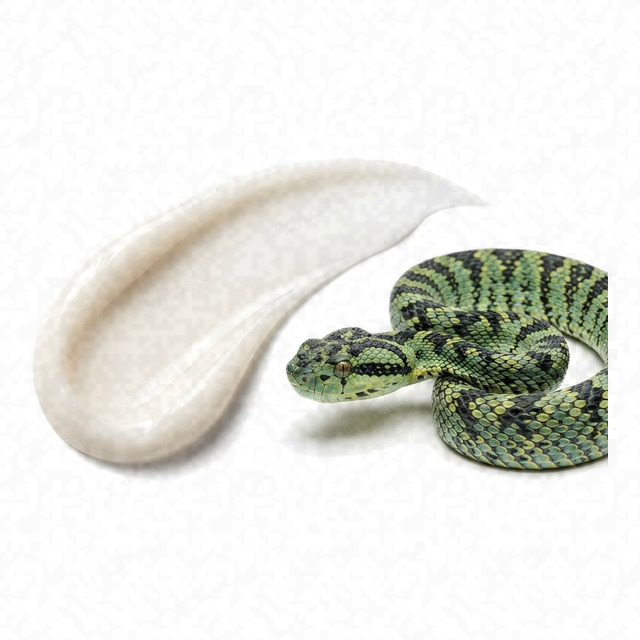 Dipeptide Diaminobutyroyl Benzylamide Diacetate
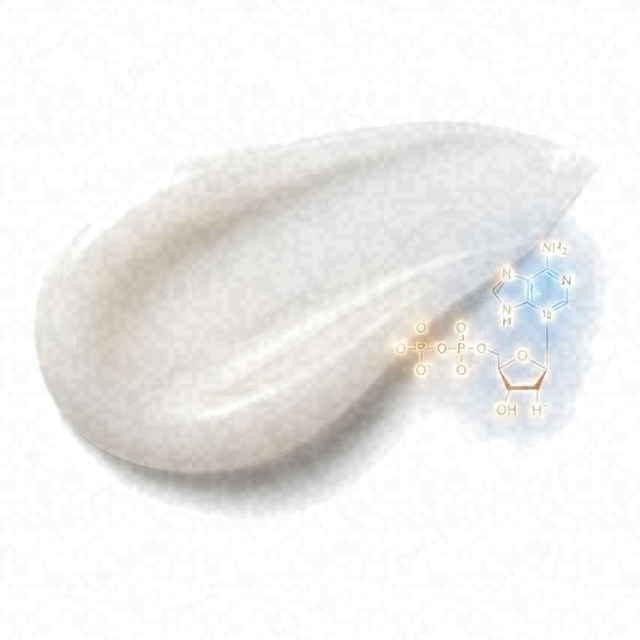 Adenosine Triphosphate
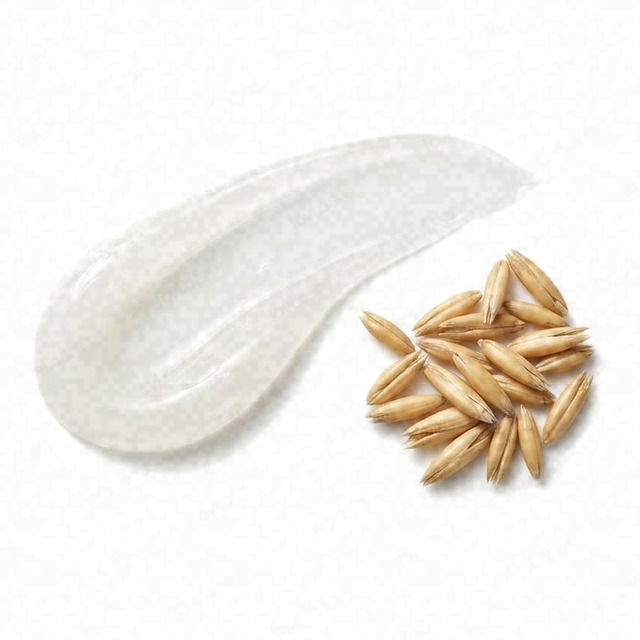 Beta-Glucan
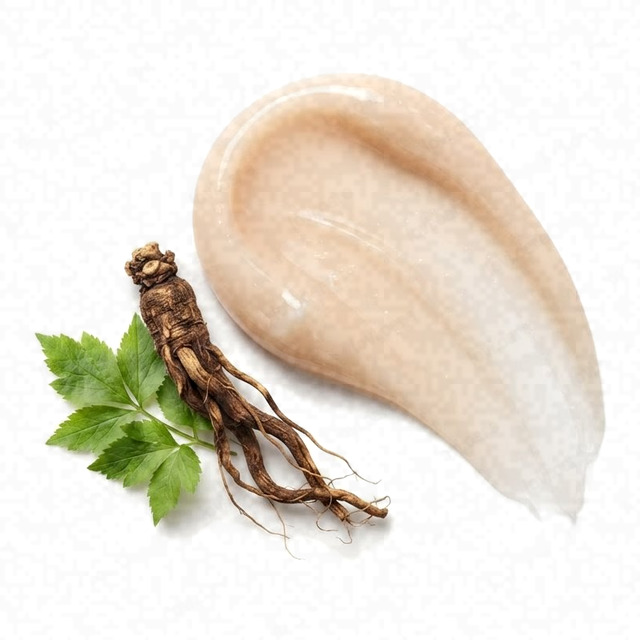 Angelica Polymorpha Sinensis Root Extract
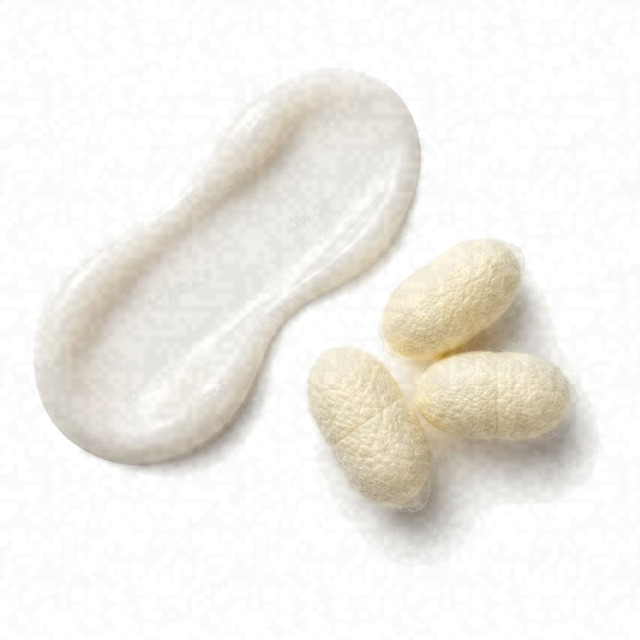 Hydrolyzed Sericin
Average
- HighOily Skin Fit
- AverageEffectiveness
- HighSafety
Works for oily acne-prone skin; other serums fit it better.
This fit is calculated for the concerns frequently associated with oily acne-prone skin: shine, breakouts, blemishes, and enlarged pores. For scores and recommendations based on your full skin profile, including your 12D face scan results and any goals or preferences you have, please use the Lovi app.
Page built Nov 8, 2026How the Fit score works
Lovi Assistant explains
- Offers moderate suitability for your oily skin, as Panthenyl Triacetate and Ethyl Linoleate provide some seboregulation and barrier repair, while Buddleja Davidii Meristem Cell Culture and Dipeptide Diaminobutyroyl Benzylamide Diacetate support skin regeneration and reduce fine lines.
- While the formula offers general skincare benefits like hydration and soothing, it lacks targeted ingredients such as salicylic acid or retinoids to effectively address your acne, blemishes, and breakouts or significant oil control.
- The product is safe for your oily skin with no risks of irritation due to the absence of prohibited or harsh ingredients.
How to apply
- Could be used as part of your PM routine. Start 3 times a week and build up to daily use if your skin tolerates it well.
- Apply your serum after cleansing and toning, but before putting on your moisturizer.
- Gently press 2 to 3 drops of the serum into your skin and let it absorb for a minute.
- Apply the serum on clean, dry skin to help manage your blemishes safely.
- Do a patch test before your first use and avoid the delicate eye area.
People Say
★4.5Overall rating based on 1.4k+ reviewsBased on a very large amount of data, this product is highly regarded by users with aging, dry, and sensitive skin for its hydrating and plumping effects, visibly reducing fine lines. The lightweight gel formula is frequently praised for restoring the skin's moisture barrier and improving texture. However, some users with acne-prone skin report breakouts, and the high price is a common concern.
Highlights
Lightweight gel Mostly Mentioned
- “The lightweight gel feels refreshing upon application”
- “Glides effortlessly on the skin, leaving no greasy residue”
- “Absorbs within seconds, leaving no greasy or sticky residue”
- “Feels so light weight and leaves your face feeling hydrated”
Hydrating, plumping Often Mentioned
- “Skin truly feels plumped and nourished”
- “Super hydrating and leaves the skin smooth and plump”
- “Helps hydrate dry patches and leave skin feeling supple”
- “Leaves my skin hydrated and bouncy”
Very expensive Often Mentioned
- “Premium pricing might not suit budget-conscious buyers”
- “Expensive for 1 oz”
- “Well worth the money... but it's so expensive”
- “Pricey but it's money well spent”
Gentle, soothing Sometimes Noted
- “Gentle enough for sensitive skin; no irritation”
- “Seemed to calm my skin rather than aggravate it”
- “Reduces minor irritation, ideal for sensitive skin types”
- “Calming aloe scent provided a spa-like experience”
Reduces lines Sometimes Noted
- “Softened the appearance of fine lines”
- “Annoying fine lines on my forehead and around my eyes looked diminished”
- “Helped with hydration and my fine lines”
- “Helps visibly reduce fine lines and wrinkles over consistent use”
Slow results Sometimes Noted
- “Effects do take time”
- “Requires patience; results are visible only after several weeks”
- “Deeper wrinkles remained largely unchanged, at least in the short term”
Causes breakouts Rarely Noted
- “The growth serum broke me out like I haven't broken out since high school”
- “Ingredient in it that commonly breaks people out: dimethicone”
- “Some individuals may experience increased acne or new blemishes”
Faulty pump Rarely Noted
- “Pump dispenser to be somewhat finicky”
- “Dispensing an even amount of product can be tricky”
- “Excess product dispensed often leads to waste”
Pills under makeup Rarely Noted
- “User found that it pills under a foundation”
- “Dimethicone may contribute to pilling”
- “Pilling may occur when layered with products”
Sources: lovi.care, zoskinhealth.com, reddit.com, whatsinmyjar.com, skinsort.com, dermapproved.com, and more
Questions and answers
How well does ZO Growth Factor Serum work for oily acne-prone skin?
This serum works moderately well for your oily skin, as it helps balance oil and soothe while posing no irritation risks. However, because it lacks targeted blemish-fighting ingredients like salicylic acid or retinoids, a product of this type needs acne-targeting ingredients like niacinamide, propolis, or Vitamin C, along with lightweight, non-greasy hydrators.
The British Journal of Dermatology, 2007International Journal of Cosmetic Science, 2026
Which ingredients make this serum a good fit for oily acne-prone skin?
Panthenyl Triacetate and Ethyl Linoleate make this serum a good fit for your oily skin by helping control oil and repair the skin barrier. A treatment for this skin needs ingredients like niacinamide, propolis, or Vitamin C to effectively target blemishes and breakouts while keeping the skin balanced.
The British Journal of Dermatology, 2007Journal of Cosmetic Science, 2012
What does Dipeptide Diaminobutyroyl Benzylamide Diacetate do for oily acne-prone skin?
Dipeptide diaminobutyroyl benzylamide diacetate helps smooth fine lines and target aging signs in oily, acne-prone skin without clogging pores. Because this skin type often needs lightweight formulas that fight wrinkles while keeping excess shine controlled, this ingredient is typically paired with gentle exfoliants and oil-free hydrators.
What does Adenosine Triphosphate do for oily acne-prone skin?
Adenosine Triphosphate is unlikely to benefit oily acne-prone skin because related substances may increase oil production and worsen breakouts. Oily and acne-prone skin needs lightweight ingredients that help control excess oil without clogging pores.
The Journal of Dermatology, 2017Biochimica Et Biophysica Acta, 2011
Where does this serum go in a skincare routine for oily acne-prone skin?
Apply this treatment in the evening as part of your routine. This product of this type needs acne-fighting ingredients like salicylic acid or retinoids to properly care for oily, acne-prone skin.
Can I use it with retinol, and in what order?
You can use this treatment with retinol by applying your retinol first and following with this serum, or by using your retinol in the evening and this serum at another time. This product has a safe profile with no harsh ingredients, making it unlikely to cause irritation when paired with a retinoid. Oily acne-prone skin using this type of product alongside retinol benefits from ingredients like salicylic acid or retinoids for breakout control and ingredients that clear pores and reduce oil.
How often should I use this serum?
You can use this treatment in the evening as part of your routine. Oily acne-prone skin needs a product of this type to include targeted ingredients like salicylic acid or retinoids for breakout control and significant oil reduction.
The British Journal of Dermatology, 2007International Journal of Cosmetic Science, 2026
Can it clog pores, cause breakouts or purging for oily acne-prone skin?
This serum is unlikely to cause breakouts or clog pores for your oily acne-prone skin, as it lacks harsh or prohibited ingredients that trigger irritation. However, because it misses targeted breakout-fighting ingredients like salicylic acid or retinoids, an acne-prone skin type needs formulas with active blemish control and oil-balancing agents to stay clear.
Is it fragrance-free and alcohol-free?
It has no drying alcohol and contains fragrance (parfum). Oleyl alcohol is a fatty alcohol, which soften the skin.
What the research says
A lotion containing triethyl citrate and ethyl linoleate reduced Leeds grading, total, inflammatory, and noninflammatory lesion counts, and sebum production compared with a placebo in patients with mild to moderate acne.
The British Journal of Dermatology, 2007A novel anti-aging serum containing acetyl hexapeptide-8, dipeptide diaminobutyroyl benzylamide diacetate, gluconolactone, niacinamide, and laminaria extract significantly increased anti-aging biomarkers and improved static and dynamic wrinkles as well as skin quality in clinical studies.
International Journal of Cosmetic Science, 2026Panthenyl triacetate (PTA) demonstrated skin de-acetylation into panthenol, stimulated energetic and synthesis metabolic pathways, and achieved a statistically significant improvement in wound healing after 72 hours compared to saline treatment in human volunteers, outperforming panthenol in long-lasting wound healing action.
Journal of Cosmetic Science, 2012Angelica sinensis essential oil at 5%-10% demonstrated significant anti-acne effects comparable to adapalene gel with reduced side effects in mice by suppressing Cutibacterium acnes and downregulating IL-1β.
Journal of Ethnopharmacology, 2026A bacterial nanocellulose wound dressing incorporating polyhexamethylene biguanide and sericin showed no skin irritation in healthy volunteers and significantly promoted wound healing with lower wound size and higher collagen formation in full-thickness rat wounds compared to controls.
Archives of Dermatological Research, 2016The application of a vitamin B12 and adenosine triphosphate complex improved skin radiance, elasticity, and texture in human participants.
Current Issues in Molecular Biology, 2024Direct delivery of intracellular adenosine triphosphate using ATP-encapsulated fusogenic small unilamellar lipid vesicles accelerated wound healing, improved granular tissue development, re-epithelialization, and increased vascular endothelial growth factor expression compared to lipid vesicles alone in adult nude mice.
American Journal of Surgery, 2007A self-powered chloroplast-driven nanophotosystem consisting of Chlorella-derived nanothylakoid units and hyaluronic acid microneedles increased mitochondrial biogenesis, adenosine triphosphate generation, and NAD(P)H pools in senescent fibroblasts, leading to increased collagen synthesis and alleviated skin photoaging.
Journal of Nanobiotechnology, 2026Skin care regimens containing beta-glucan improved hemoglobin index, skin hydration, and transepidermal water loss compared to vehicle control in 20 patients undergoing fractional laser therapy.
Journal of Cosmetic Dermatology, 2021Treatment with topical formulations containing beta-glucan combined with nanofractional radiofrequency plus magnetic nanofractional radiofrequency showed the best efficacy and was tolerable and effective in Chinese women with abdominal stretch marks compared to control groups.
Dermatology and Therapy, 2023Topical beta-glucan mildly improved striae gravidarum, 1565-nm non-ablative fractional laser showed better results than topical beta-glucan, and the combined strategy further improved striae gravidarum atrophy compared to single treatment.
The Journal of Dermatology, 2022An Angelica sinensis extract containing 1% ligustilide demonstrated anti-inflammatory, antioxidant, anti-senescence, matrix-supportive, and antimicrobial effects in human keratinocytes and dermal fibroblasts.
Frontiers in Pharmacology, 2026Topical application of Angelica sinensis extract induced noticeable hair regrowth, restored hair shaft lengths and follicle size, and decreased apoptotic cells in C57BL/6 mice.
The American Journal of Chinese Medicine, 2014Screening of forty herb extracts using melan-a cells showed that hexane and dichloromethane extracts of Angelica sinensis, alongside compounds 4-ethylresorcinol, 4-ethylphenol, and 1-tetradecanol, exhibited strong hypopigmentary effects by attenuating melanin synthesis.
Journal of Ethnopharmacology, 2010Bacterial cellulose wound dressing containing silk sericin and PHMB improved wound quality and reduced pain compared to Bactigras in patients with split-thickness skin graft donor-site wounds.
Archives of Dermatological Research, 2018Topical application of sericin gels increased skin intrinsic moisturization, hydroxyproline content, and epidermal hydration while decreasing transepidermal water loss and skin impedance in healthy human volunteers.
Journal of Cosmetic Dermatology, 2005Silk sericin-releasing bacterial nanocellulose gel demonstrated improved mechanical properties, controlled sericin release, non-cytotoxicity on L929 and HaCaT cells, and non-irritancy in subcutaneous tissue compared to a commercially available paper mask.
BMC Biotechnology, 2014
Why other serums fit oily acne-prone skin better
A cream combining propolis, tea tree oil, and Aloe vera reduced erythema scars, acne severity index, and total lesion count better than erythromycin cream in sixty patients with mild to moderate acne vulgaris compared to placebo.
Clinical Pharmacology, 2018Niacinamide and ferulic acid incorporated in a stable multiple emulsion successfully reduced melanin, sebum, and skin erythema while improving skin elasticity and hydration in human skin compared to a placebo.
BioMed Research International, 2022
Ingredients
Water, Cyclopentasiloxane, Dipropylene Glycol, Propylene Glycol, Dimethicone, Glycerin, Dimethicone Crosspolymer, Dimethicone Peg-10 15 Crosspolymer, Peg-12 Dimethicone Crosspolymer, Butylene Glycol, Dimethicone Vinyl Dimethicone Crosspolymer, Sodium Phosphate, Panthenyl Triacetate, Magnesium Sulfate, Hydrolyzed Sericin, Ethyl Linoleate, Buddleja Davidii Meristem Cell Culture, Angelica Polymorpha Sinensis Root Extract, Dipeptide Diaminobutyroyl Benzylamide Diacetate, Lactobacillus Panax Ginseng Root Extract Ferment Filtrate, Disodium Acetyl Glucosamine Phosphate, Acetyl Tyrosine, Dimethiconol, Oleyl Alcohol, Proline, Parfum, Tocopherol, Beta-Glucan, Adenosine Triphosphate, Hydrolyzed Protein, Sodium Chloride, Xanthan Gum, Phenoxyethanol
Behind this fit score
Lovi calculates every fit score from the full ingredient list with brand-independent rules our dermatologists and cosmetic chemists build and review, and personalizes every pick with AI trained on the real results of millions of users. Lovi trains its fit score models on a proprietary dataset built from more than 10,000 expert-labeled products and more than 100,000 simulated examples, following an internally consistent methodology presented at Cosmoprof, AMWC, and Skin of Color Update.
-

Co-founder, Medical Director
Cosmetic chemist, cosmetologist, aesthetic products developer
-

Co-founder, CEO and CTO
PhD in computer science, 3x US patent holder, ex-Google, ex-Yandex
-

Dr. Sofía Perea Pérez, MD, MSc
Medical Board
Aesthetic medicine practitioner, MSc in Longevity and Anti-Aging Medicine
-

Medical Board
Specialist dermatologist, MBBS, MD, IFAAD
-

Medical Board
Cosmetic chemist, SCS, IFSCC member
-

Medical Board, Medical Advisor
Dermatology MD
-

Elina Nazarenko, MD
Medical Board
Dermatology and diagnostic consultant
-

Victoria Derkova, MS
Medical Board
Cosmetic chemist, cosmetic development technologist


How does it fit your skin?
Scan your face, then any product: Lovi shows how well it fits you and what fits even better.