Shangpree Pore Tightening Mask for sensitive skin

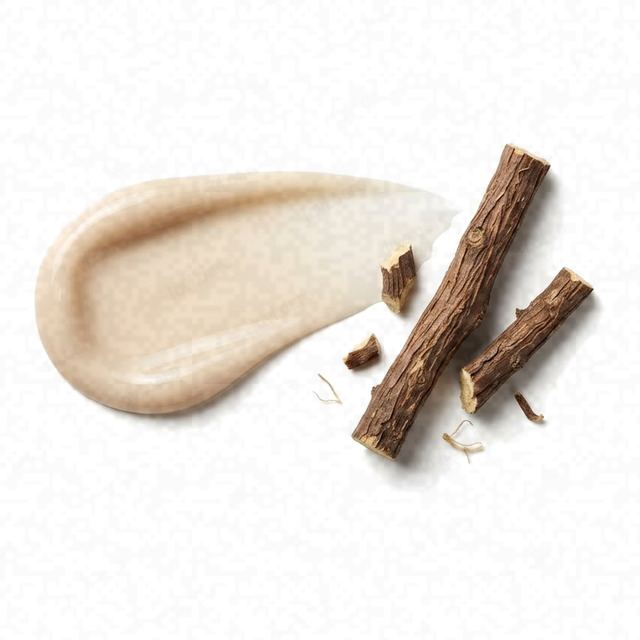 Glycyrrhiza Glabra Root Extract Licorice Root Extract
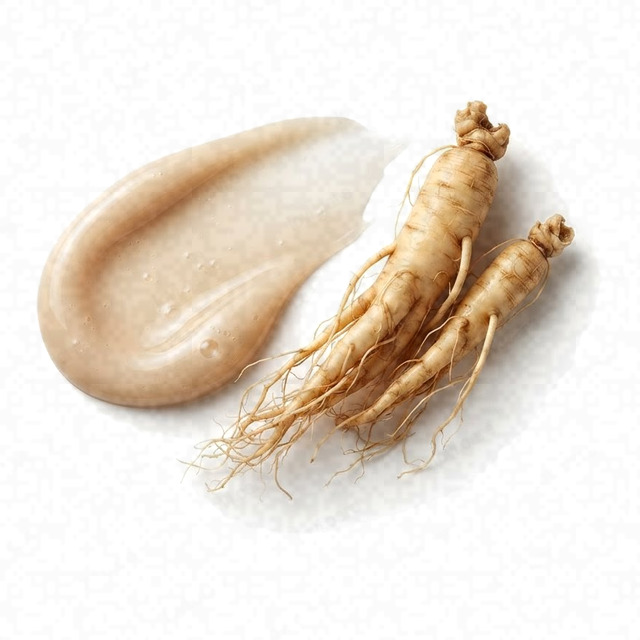 Panax Ginseng Root Extract
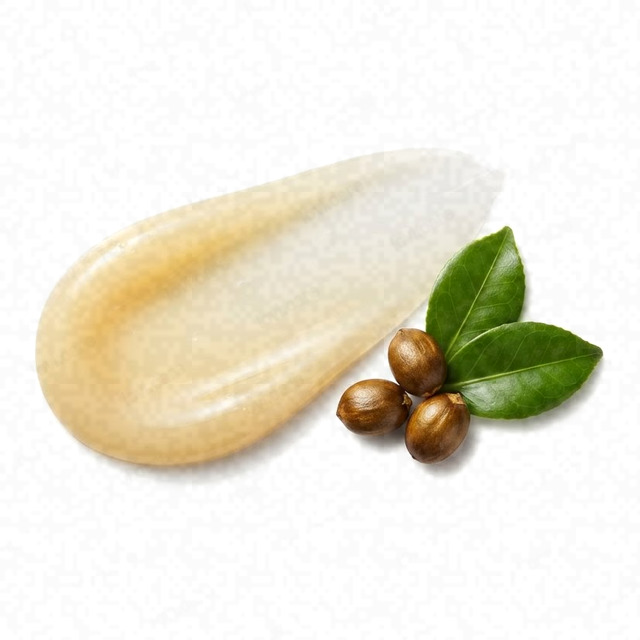 Camellia Japonica Seed Oil
 Sodium Hyaluronate
 Aloe Barbadensis Leaf Juice
High
- HighNormal Skin Fit
- HighEffectiveness
- HighSafety
A great choice for sensitive skin; a few cleansing masks fit it even better.
This fit is calculated for the concerns frequently associated with sensitive skin: redness, stinging, and reactions to new products. For scores and recommendations based on your full skin profile, including your 12D face scan results and any goals or preferences you have, please use the Lovi app.
Page built Nov 8, 2026How the Fit score works
Lovi Assistant explains
- Excellent pore cleansing is provided for your normal skin by kaolin and bentonite, which effectively absorb excess oil and impurities. Glycyrrhiza Glabra Root Extract and Aloe Barbadensis Leaf Juice offer soothing and anti-inflammatory benefits, addressing your concerns with redness and irritation.
- Sodium Hyaluronate and Glycerin provide humectant action, while Camellia Japonica Seed Oil and Prunus Armeniaca Kernel Oil offer emollient benefits, supporting hydration and barrier function for your normal skin.
- The product is safe for your normal skin, with no risks of irritation due to the absence of prohibited or harsh ingredients.
How to apply
- Use this cleansing mask once a week as part of your weekly routine, starting slowly to see how your skin reacts.
- Apply this product after cleansing and enzyme powder, and before your hydrating toner and moisturizer.
- Smooth an even layer of the cleansing mask over your face, making sure to gently avoid rubbing.
- Put the mask on clean and dry skin to keep your sensitive face calm and comfortable.
- Do a patch test before your first use and avoid getting the mask too close to your eyes.
People Say
★2.5Overall rating based on 100+ reviewsBased on limited data, the Shangpree Pore Tightening Mask receives a low overall rating. While some users with dry or combination skin found its texture hydrating and non-drying, a significant number reported that it was ineffective at clearing pores or reducing oil. Several reviewers experienced breakouts and felt the product was overpriced for its performance.
Highlights
Ineffective results Mostly Mentioned
- “Pores look the same”
- “Did not clear oil”
- “Nothing to write home about”
Non-drying formula Often Mentioned
- “Leaves skin feeling degunked and hydrated”
- “Doesn't dry like other clay masks”
- “Skin felt smooth but not tight”
Poor value Often Mentioned
- “Not worth the money”
- “Overrated product”
- “Aztec clay works better for less”
Easy application Sometimes Noted
- “No mess mixing up clay”
- “Easy to use”
- “Creamy and smooth texture”
Gentle pore maintenance Sometimes Noted
- “Visibly less blackheads”
- “Less shiny nose”
- “Keeps blackheads at bay”
Caused breakouts Sometimes Noted
- “Face broke out like crazy”
- “Caused acne”
- “Made my skin worse”
Good longevity Rarely Noted
- “Tube lasts 3-4 months”
- “Don't need a thick layer”
Questionable ingredients Rarely Noted
- “Don't like the perfume”
- “Contains DMDM hydantoin”
- “Benzyl alcohol in top four”
Sources: lovi.care, amazon.com, woot.com, natjtan.com, skinbliss.com, skinsort.com, and more
Questions and answers
What makes Shangpree Pore Tightening Mask a great fit for sensitive skin?
This mask is a great fit for sensitive skin because soothing ingredients like licorice root extract and aloe leaf juice help calm redness and irritation. Kaolin and bentonite clear out pores by absorbing extra oil, while plant oils and sodium hyaluronate keep your skin soft and hydrated without causing harsh reactions.
Which ingredients make this mask a good fit for sensitive skin?
This mask is a great fit for sensitive skin because it uses licorice root extract and aloe barbadensis leaf juice to calm redness and irritation, alongside soothing plant oils and hydrating ingredients that support your skin barrier.
What does Licorice Root Extract do for sensitive skin?
Licorice root extract helps calm redness and ease irritation on sensitive skin through its natural soothing properties. It is unlikely to cause trouble when used as directed, though very safe use is best to avoid any unwanted reactions.
Pharmaceutical Biology, 2017Journal of Cosmetic Dermatology, 2025
What does Ginseng Root Extract do for sensitive skin?
Ginseng Root Extract helps calm skin redness and keeps sensitive skin comfortable by reducing irritation. It also supports skin strength to make it less reactive over time.
Phytotherapy Research, 2019Journal of Agricultural and Food Chemistry, 2013
Where does it go in a skincare routine for sensitive skin?
This cleansing mask fits into a sensitive skin routine as a weekly step. It uses gentle clays and soothing plant extracts to clean and calm your skin without causing irritation.
Can I use this mask with retinol, and in what order?
You can use this mask in the same routine as retinol, but it is best to apply the mask first, rinse it off completely, and then apply your retinol. Using soothing ingredients like licorice root and aloe vera helps keep your skin calm while using stronger treatments like retinol.
How often should I use it?
This cleansing mask is a great fit for sensitive skin and works well as a weekly step in your routine. Its soothing ingredients and gentle clays help clean pores and calm redness without causing irritation.
Can this mask clog pores, cause breakouts or purging for sensitive skin?
Yes, this mask may cause breakouts for sensitive skin, as some reviewers note. However, it is generally unlikely to cause severe irritation because it contains soothing ingredients like licorice root extract and aloe vera leaf juice to help calm redness.
Is it fragrance-free and alcohol-free?
Yes, it has no fragrance and no drying alcohol. Cetearyl alcohol is a fatty alcohol, which soften the skin.
What the research says
Licochalcone A activated Nrf2 signaling, elevated cytoprotective enzymes, increased the reduced-to-oxidized glutathione ratio, and decreased reactive oxygen species in human fibroblasts and neutrophils, while a LicA-rich licorice extract lowered UVA-induced oxidative processes in vivo.
Experimental Dermatology, 2015Camellia japonica oil activated the human COL1A2 promoter, induced type I procollagen synthesis, inhibited matrix metalloproteinase-1 activity, and reduced trans-epidermal water loss without inducing adverse reactions in human skin.
Journal of Ethnopharmacology, 2007A single application of a moisturizing fluid containing hyaluronic acid 1%, glycerin 5%, and Centella asiatica stem cells extract significantly increased skin hydration by 29% and reduced transepidermal water loss at 24 hours compared to baseline and an untreated control site in twenty healthy women.
Clinical, Cosmetic and Investigational Dermatology, 2017Combining 755 nm alexandrite laser with topical licorice gel significantly reduces terminal hair counts compared to alexandrite laser with placebo in women with idiopathic hirsutism.
Evidence-based Complementary and Alternative Medicine, 2015Bioactive glycyrrhizic acid and oxymatrine ionic liquid self-assembled nanomicelles significantly promoted the transdermal permeation, subcutaneous retention, and anti-photoaging efficacy of palmitoyl pentapeptide-4 in cellular and animal models compared to unformulated peptide.
Advanced Science, 2025Topical application of Glycyrrhiza glabra and Sophora japonica flavonoid-rich fractions individually and in combination significantly increased the wound healing rate and reduced oxidative stress compared to wound and Nolaver-treated groups.
Molecules, 2023Enzyme-modified ginseng extract cream significantly reduced the global photo-damage score and various roughness measures including total roughness, smoothness depth, and arithmetic roughness average compared to placebo in 23 human subjects.
Rejuvenation Research, 2015A red ginseng hydrogel formulation with 1,2-hexanediol promoted selective growth of Staphylococcus epidermidis and decreased Cutibacterium acnes in 20 female subjects.
Journal of Ginseng Research, 2022A 1% fermented black ginseng cream significantly reduced eye wrinkles and brightened skin color in twenty-three human subjects compared to control cream and baseline.
Journal of Toxicology and Environmental Health. Part A, 2020Liquid crystalline emulsions formulated with camellia seed oil and four different surfactant combinations reduced transepidermal water loss and increased skin hydration without causing skin irritation, with the formulation containing Lecinol S-10 and Tween 80 demonstrating the best clinical results.
Scientific Reports, 2023Topical application of 0.1% hyaluronic acid formulations of different molecular weights led to significant improvements in skin hydration and elasticity, with low-molecular-weight formulations also significantly reducing wrinkle depth in seventy-six female subjects compared to a vehicle control.
Journal of Drugs in Dermatology, 2011Topical application of hyaluronic acid in conjunction with free gingival graft significantly reduced donor site postoperative pain until day 7 compared to normal saline, with no significant differences in graft dimensions or patient satisfaction.
Clinical Oral Investigations, 2022Treatment with a hyaluronic acid-containing mouth rinse or topical gel led to significant lesion reduction, pain relief, and normalization of lesion color in adult patients with minor recurrent aphthous stomatitis, with the gel formulation showing an earlier healing onset at 3 days.
BMC Oral Health, 2019A cream combining propolis, tea tree oil, and Aloe vera reduced erythema scars, acne severity index, and total lesion count better than erythromycin cream in sixty patients with mild to moderate acne vulgaris compared to placebo.
Clinical Pharmacology, 2018Topical aloe vera gel significantly accelerated split-thickness skin graft donor-site healing compared to placebo in 12 patients, but showed no significant difference in pain relief.
Plastic and Reconstructive Surgery, 2018Topical application of Aloe vera cream reduced postoperative pain at rest and during defecation, accelerated wound healing at two weeks, and decreased analgesic requirements in patients after open hemorrhoidectomy compared to placebo.
Journal of Alternative and Complementary Medicine, 2010
Ingredients
Water, Kaolin, Glycerin, Dipropylene Glycol, Bentonite, Prunus Armeniaca Kernel Oil Apricot Kernel Oil, Camellia Japonica Seed Oil, Caprylic Capric Triglyceride, Cetearyl Alcohol, Glyceryl Stearate, Peg-100 Stearate, Polysorbate 60, Panax Ginseng Root Extract, Ophiopogon Japonicus Root Extract, Platycodon Grandiflorum Root Extract, Glycyrrhiza Glabra Root Extract Licorice Root Extract, Astragalus Membranaceus Root Extract, Zingiber Officinale Root Extract, Sodium Hyaluronate, Betaine, Aloe Barbadensis Leaf Juice, Sorbitan Sesquioleate, Dmdm Hydantoin, Tocopheryl Acetate, Disodium Edta
Behind this fit score
Lovi calculates every fit score from the full ingredient list with brand-independent rules our dermatologists and cosmetic chemists build and review, and personalizes every pick with AI trained on the real results of millions of users. Lovi trains its fit score models on a proprietary dataset built from more than 10,000 expert-labeled products and more than 100,000 simulated examples, following an internally consistent methodology presented at Cosmoprof, AMWC, and Skin of Color Update.
-

Co-founder, Medical Director
Cosmetic chemist, cosmetologist, aesthetic products developer
-

Co-founder, CEO and CTO
PhD in computer science, 3x US patent holder, ex-Google, ex-Yandex
-

Dr. Sofía Perea Pérez, MD, MSc
Medical Board
Aesthetic medicine practitioner, MSc in Longevity and Anti-Aging Medicine
-

Medical Board
Specialist dermatologist, MBBS, MD, IFAAD
-

Medical Board
Cosmetic chemist, SCS, IFSCC member
-

Medical Board, Medical Advisor
Dermatology MD
-

Elina Nazarenko, MD
Medical Board
Dermatology and diagnostic consultant
-

Victoria Derkova, MS
Medical Board
Cosmetic chemist, cosmetic development technologist


How does it fit your skin?
Scan your face, then any product: Lovi shows how well it fits you and what fits even better.