
Shangpree Phyto Essence UV Sunscreen

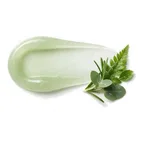 Phyto-Essences
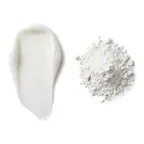 Zinc Oxide
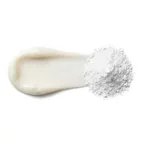 Titanium Dioxide
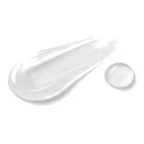 Sodium Hyaluronate
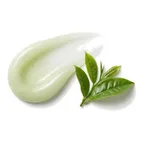 Camellia Sinensis Extract
Zinc oxide, green tea, and phyto-essences soothe irritation, lock in moisture, and block UV rays, so it suits dry skin and dry sensitive skin best. For skin that needs blemish care, sunscreens with niacinamide get higher fit scores.
Each fit is calculated for the concerns frequently associated with that skin type. For scores and recommendations based on your full skin profile, including your 12D face scan results and goals, use the Lovi app.
Updated How the Fit score works
Where it fits best and least
Best fit Superior
One of the best sunscreens for dry skin.
- Excellent suitability for your dry skin is provided by glycerin and aloe barbadensis leaf extract, which offer superior humectant action and barrier repair, complemented by Centella Asiatica Extract and Camellia Sinensis Leaf Extract to soothe and hydrate. The formula offers excellent sun protection due to high concentrations of zinc oxide and ethylhexyl methoxycinnamate, effectively shielding your skin from UV damage. This product is safe for your dry skin as it contains no harsh ingredients and includes soothing components like Centella Asiatica Extract and Camellia Sinensis Leaf Extract.
Lowest fit Average
Works for acne-prone skin; other sunscreens fit it better.
- Offers moderate benefits for your acne-prone skin, as niacinamide helps regulate oil and Centella Asiatica Extract provides anti-inflammatory action, though these are supportive rather than primary treatments for breakouts.
Other skin types
How to apply
- Use this moisturizing sunscreen daily in your AM routine. Reapply every two hours when exposed to direct sun.
- Apply this moisturizing sunscreen as the final step of your morning routine after your moisturizer.
- Smooth an even layer of the moisturizing sunscreen over your face and neck, avoiding harsh rubbing.
- Avoid the immediate eye area and discontinue use if any irritation occurs.
People Say
★4.5Overall rating based on 100+ reviewsBased on limited data, users highly appreciate this sunscreen for its lightweight, essence-like texture that absorbs quickly without a white cast, making it ideal for daily wear and under makeup. It is frequently noted for its moisturizing and soothing properties, particularly for sensitive or oily skin. However, a significant number of users find the floral fragrance to be strong and the price point to be high relative to the product size.
Highlights
Invisible finish Mostly Mentioned
- “Leaves no white cast even on darker skin”
- “Blends in clear, leaving no residue at all”
- “Doesn't cause foundation to pill”
Elegant texture Often Mentioned
- “Lightweight formula with a lotion/gel-like consistency”
- “Spreads on really nicely... dries down to a satin finish”
- “Absorbs beautifully and leaves skin soft”
Skin compatibility Often Mentioned
- “Great for oily and sensitive skin”
- “Did not sting my eyes or skin”
- “Soothing and calming effect”
Strong floral scent Often Mentioned
- “Has a bit of a strong floral scent”
- “Fragrance could be an issue if you are sensitive”
- “Smells like a sophisticated modern floral, but strong”
Moisturizing feel Sometimes Noted
- “Feels like a light moisturizer”
- “Makes my skin look nourished and hydrated”
- “Non-greasy but hydrating enough to skip moisturizer”
Difficult packaging Sometimes Noted
- “Hard to squeeze the bottle”
- “Rigid packaging makes it difficult to get the last bit out”
- “Need to apply more pressure than expected”
High price point Sometimes Noted
- “Expensive for the amount you get (50-60ml)”
- “A splurge item compared to other K-beauty sunscreens”
- “Pricey for daily use”
Not water resistant Rarely Noted
- “Tanned quickly when I wore it for a swim”
- “Not waterproof, better for daily office wear”
- “Sweats off easily during outdoor activities”
Sources: lovi.care, reddit.com, gopicky.com, whatsinmyjar.com, ailynwrites.com, yesstyle.com, and more
Questions and answers
What makes Shangpree Phyto Essence UV Sunscreen one of the best fits for dry skin?
This sunscreen is a great fit because glycerin and aloe leaf extract draw in moisture and repair your skin barrier, while centella asiatica and green tea extract soothe and hydrate dry skin. It also protects you from the sun with high concentrations of zinc oxide and ethylhexyl methoxycinnamate, all without any harsh ingredients.
Clinical, Cosmetic and Investigational Dermatology, 2017Indian Journal of Pharmaceutical Sciences, 2016
What makes Shangpree Phyto Essence UV Sunscreen a great fit for oily skin?
This sunscreen is a great fit because it contains niacinamide to control oily shine and Centella Asiatica Extract to calm the skin. Its gentle botanical formula has no reported irritation risks, making it very safe for daily use.
How well does Shangpree Phyto Essence UV Sunscreen work for acne-prone skin?
Shangpree Phyto Essence UV Sunscreen works decently for acne-prone skin, offering moderate benefits since niacinamide helps regulate oil and Centella Asiatica extract helps calm the skin. This sunscreen needs to contain effective soothing ingredients that address breakouts while providing sun protection without excess oiliness or irritation.
Molecules, 2023Indian Journal of Pharmaceutical Sciences, 2016
Is this cream fragrance-free and alcohol-free?
Yes, it has no fragrance and no drying alcohol.
What makes Shangpree Phyto Essence UV Sunscreen one of the best fits for dry sensitive skin?
This sunscreen is a top fit for dry sensitive skin because Centella Asiatica extract and aloe vera help soothe and hydrate, while glycerin helps repair your skin barrier. It also protects against sun damage with gentle mineral and chemical filters without harsh ingredients that might cause irritation.
What makes Shangpree Phyto Essence UV Sunscreen a great fit for combination skin?
This sunscreen is a great fit for your combination skin because niacinamide and Centella asiatica extract help control oily shine while soothing the skin. Glycerin also balances hydration across both oily and dry areas, and the formula provides strong UV protection without posing any irritation risk.
Indian Journal of Pharmaceutical Sciences, 2016Clinical, Cosmetic and Investigational Dermatology, 2017
What makes Shangpree Phyto Essence UV Sunscreen a great fit for sensitive skin?
Shangpree Phyto Essence UV Sunscreen is a great fit for sensitive skin because it contains soothing plant extracts like Centella Asiatica and green tea that help calm redness and irritation. It also features gentle physical sunblock minerals like zinc oxide and titanium dioxide, making it very unlikely to cause unwanted reactions while shielding your skin from the sun.
Indian Journal of Pharmaceutical Sciences, 2016Journal of the American Academy of Dermatology, 2001
What makes Shangpree Phyto Essence UV Sunscreen a great fit for skin with dark spots?
This sunscreen is a great fit because it uses niacinamide and licorice root extract to brighten dark spots and even out your skin tone. It also provides strong UV protection while keeping your skin calm and safe from irritation.
What makes Shangpree Phyto Essence UV Sunscreen a great fit for mature skin?
This sunscreen is a great fit because niacinamide, tocopheryl acetate, and adenosine help smooth fine lines and repair the skin barrier while protecting against UV rays. It also features a very safe formula with soothing Centella Asiatica Extract that is unlikely to cause irritation.
Scientific Reports, 2024International Journal of Cosmetic Science, 2018
What makes Shangpree Phyto Essence UV Sunscreen a great fit for oily acne-prone skin?
Shangpree Phyto Essence UV Sunscreen is a great fit because its zinc oxide and ethylhexyl methoxycinnamate shield against UV rays while niacinamide and Centella Asiatica Extract help control oil and soothe redness. Additional soothing ingredients like green tea and chamomile extracts support skin comfort, and the gentle formula is unlikely to cause irritation.
Journal of the American Academy of Dermatology, 2001Clinical, Cosmetic and Investigational Dermatology, 2019
What the research says
Topical 0.5% hyaluronic-ZnO nanogel applied twice daily reduced inflammatory-lesion counts by 58% at week four in human subjects compared to baseline without causing erythema.
Biomedicines, 2025Daily use of a deep cleansing gel containing salicylic acid 2%, zinc gluconate 0.2% and lipohydroxy acid 0.05% significantly reduced total lesion count by 56.3% after 84 days in 35 subjects with mild to moderate truncal acne.
Clinical, Cosmetic and Investigational Dermatology, 2023Topical zinc oxide nanogels formulated using Dendrobium anosmum showed greater effectiveness against Gram-positive acne-causing bacteria compared to chemogenic nanoparticles.
Molecules, 2023Microfine titanium dioxide does not penetrate human skin when formulated in an oil-in-water emulsion with the pigment dispersed in the aqueous phase, compared to oily dispersions and liposomal encapsulation which allow deeper skin penetration.
International Journal of Cosmetic Science, 2000Replacing microsized titanium dioxide and zinc oxide with nanoparticles in sunscreens eliminates opaqueness and alters UV protection balance while inducing (photo)cyto- and genotoxicity and penetrating viable skin layers during long-term exposures.
Nanotechnology, Science and Applications, 2011Hyaluronic acid-grafted titanium dioxide nanoparticles increased SPF from 13.3 to 19.1 while demonstrating low photocatalytic activity, exceptional thermal stability with >95% SPF retention, enhanced moisturization with >80% hydration retention, and minimal cytotoxicity with 88.5% cell viability in HaCaT keratinocytes compared to unmodified nanoparticles.
International Journal of Biological Macromolecules, 2025Topical application of 0.1% hyaluronic acid formulations of different molecular weights led to significant improvements in skin hydration and elasticity, with low-molecular-weight formulations also significantly reducing wrinkle depth in seventy-six female subjects compared to a vehicle control.
Journal of Drugs in Dermatology, 2011Topical hyaluronic acid serum used twice daily by 40 females with facial photoaging produced an immediate 134% increase in skin hydration, a sustained 55% increase at week 6, and significant improvements in smoothness, plumping, fine lines, wrinkles, and global appearance without causing irritation.
Dermatology and Therapy, 2021A topical antioxidant serum significantly reduced air pollution-induced skin pigmentation and proinflammatory gene expression ex vivo, and improved skin aging signs in 40 healthy adult females after 90 days of daily use.
Journal of Cosmetic Dermatology, 2022Topically formulated tea polyphenols show some benefit in reducing sebum secretion and treating acne vulgaris compared to baseline or control.
Antioxidants, 2016Topical application of tannase-converted green tea extract (TGE) significantly improved skin wrinkle indices and self-assessed wrinkle reduction compared to normal green tea extract (NGE) in human subjects over 8 weeks.
Journal of Cosmetic Dermatology, 2013An anti-acne hydrogel containing Aloe barbadensis, Garcinia mangostana, and Camellia sinensis extracts showed superior antiacne and antiblotch activities compared to 1% clindamycin gel in sixty subjects with mild-moderate acne.
Clinical, Cosmetic and Investigational Dermatology, 2019Cosmetic formulations containing 5% Centella asiatica extract showed the best efficacy in improving skin moisture and decreasing transepidermal water loss, while also exhibiting antiinflammatory properties in 25 volunteers compared to baseline measurements.
Indian Journal of Pharmaceutical Sciences, 2016Multilamellar liposomes containing octyl methoxycinnamate increased stratum corneum accumulation and reduced deeper skin penetration compared to conventional emulsions and small unilamellar liposomes in six volunteers, resulting in a slightly better sun protection factor.
Journal of Cosmetic Science, 2008A single application of a moisturizing fluid containing hyaluronic acid 1%, glycerin 5%, and Centella asiatica stem cells extract significantly increased skin hydration by 29% and reduced transepidermal water loss at 24 hours compared to baseline and an untreated control site in twenty healthy women.
Clinical, Cosmetic and Investigational Dermatology, 2017The application of a sunscreen formulation containing ethylhexyl methoxycinnamate, ethylhexyl salicylate, methyl anthranilate, and octocrylene does not significantly affect critical acne-related species such as Cutibacterium acnes and Staphylococcus epidermidis, refuting the induction of facial dysbiosis in men.
Archives of Dermatological Research, 2024Application of green tea extracts on normal human skin resulted in dose-dependent inhibition of UV-evoked erythema, reduced sunburn cells, protected Langerhans cells, and decreased UV-induced DNA damage compared to untreated UV-exposed skin.
Journal of the American Academy of Dermatology, 2001Biomimetic hyaluronic acid-stabilized zinc oxide nanoparticles selectively inhibited C. acnes, outperformed erythromycin in preclinical acne models, and safely reduced acne lesions and redness in a clinical trial.
Journal of Controlled Release, 2025Topical application of (-)-epigallocatechin-3-gallate (EGCG) to human skin before UV irradiation decreases UV-induced production of hydrogen peroxide by 68-90% and nitric oxide by 30-100%, inhibits leukocyte infiltration and lipid peroxidation by 41-84%, and restores glutathione levels and glutathione peroxidase activity compared to UV exposure alone.
Carcinogenesis, 2001Topical low-dose green tea extract reduces UVB-induced p53 expression and apoptosis in human skin keratinocytes compared to placebo.
Experimental Dermatology, 2009Treatment with a combination of niacinamide and hyaluronic acid improved skin aging signs and demonstrated a senomorphic effect by decreasing SASP and autocrine signaling genes in women.
Scientific Reports, 2024Co-delivery of paeonol and madecassoside via nanoemulsions improved transdermal delivery, promoted barrier repair proteins, inhibited inflammatory cytokine secretion in cellular and 3D models, and reduced transepidermal water loss and acne in human facial skin compared to free components.
Molecules, 2023Niacinamide significantly decreased hyperpigmentation and increased skin lightness compared with vehicle alone after 4 weeks of use in women by inhibiting melanosome transfer.
The British Journal of Dermatology, 2002Topical treatment of nicotinamide, alone or in combination with other active ingredients, reduces the progression of skin aging and hyperpigmentation in clinical trials while being well tolerated.
Antioxidants, 2021Adenosine-loaded dissolving microneedle patches showed similar or better efficacy on skin wrinkles, dermal density, elasticity, and hydration compared to adenosine cream in 22 female subjects.
International Journal of Cosmetic Science, 2018Topical application of a disodium adenosine monophosphate-based formulation reduced wrinkles and hyperpigmentation while improving hydration, barrier function, skin lifting, and epidermal turnover in female participants.
International Journal of Molecular Sciences, 2026Topical green tea and green tea plus lotus multiple emulsions reduced casual sebum secretions compared to placebo in healthy adults, with the combined treatment producing significantly greater reductions than green tea alone over a 60-day period.
Hippokratia, 2013Replacing 20% of the chemical UV filter octyl methoxycinnamate with urucum oil in solid lipid nanoparticles maintained the skin protection factor without inducing toxic responses or significant skin penetration in human volunteers.
Skin Pharmacology and Physiology, 2018
Ingredients
Water, Cyclopentasiloxane, Zinc Oxide, Ethylhexyl Methoxycinnamate, Butylene Glycol, Glycerin, Niacinamide, Titanium Dioxide, C12-15 Alkyl Benzoate, Caprylyl Methicone, Dimethicone, Peg-10 Dimethicone, Sodium Chloride, Aluminum Hydroxide, Stearic Acid, Triethoxycaprylylsilane, Adenosine, Tocopheryl Acetate, Centella Asiatica Extract, Camellia Sinensis Leaf Extract, Chamomilla Recutita Flower Extract Matricaria Flower Extract, Aloe Barbadensis Leaf Extract, Portulaca Oleracea Extract, Scutellaria Baicalensis Root Extract, Glycyrrhiza Glabra Root Extract Licorice Root Extract
Behind these fit scores
Lovi calculates every fit score from the full ingredient list with brand-independent rules our dermatologists and cosmetic chemists build and review, and personalizes every pick with AI trained on the real results of millions of users. Lovi trains its fit score models on a proprietary dataset built from more than 10,000 expert-labeled products and more than 100,000 simulated examples, following an internally consistent methodology presented at Cosmoprof, AMWC, and Skin of Color Update.
-

Co-founder, Medical Director
Cosmetic chemist, cosmetologist, aesthetic products developer
-

Co-founder, CEO and CTO
PhD in computer science, 3x US patent holder, ex-Google, ex-Yandex
-

Dr. Sofía Perea Pérez, MD, MSc
Medical Board
Aesthetic medicine practitioner, MSc in Longevity and Anti-Aging Medicine
-

Medical Board
Specialist dermatologist, MBBS, MD, IFAAD
-

Medical Board
Cosmetic chemist, SCS, IFSCC member
-

Medical Board, Medical Advisor
Dermatology MD
-

Elina Nazarenko, MD
Medical Board
Dermatology and diagnostic consultant
-

Victoria Derkova, MS
Medical Board
Cosmetic chemist, cosmetic development technologist


How does it fit your skin?
Scan your face, then any product: Lovi shows how well it fits you and what fits even better.