SENTÉ Dermal Repair Cream for acne-prone skin

 Sodium Hyaluronate
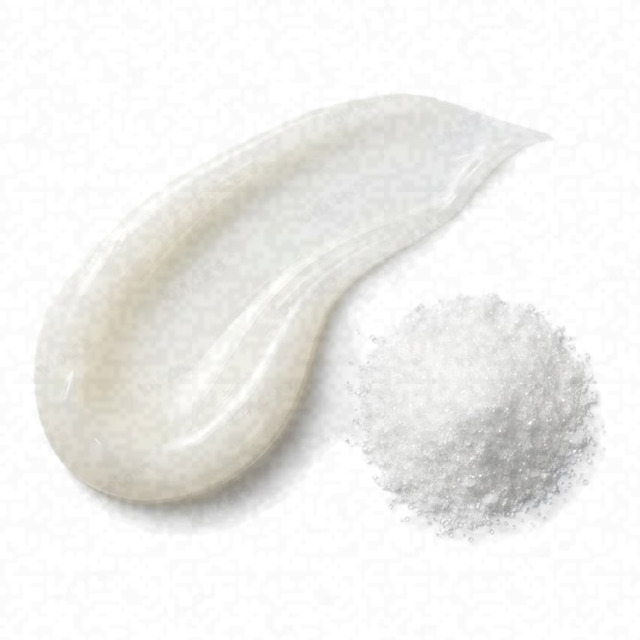 Heparan Sulfate Analog
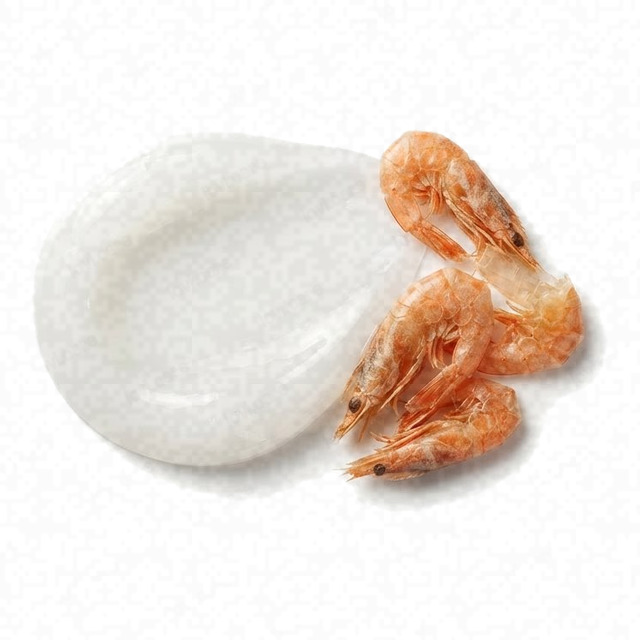 Acetyl Glucosamine
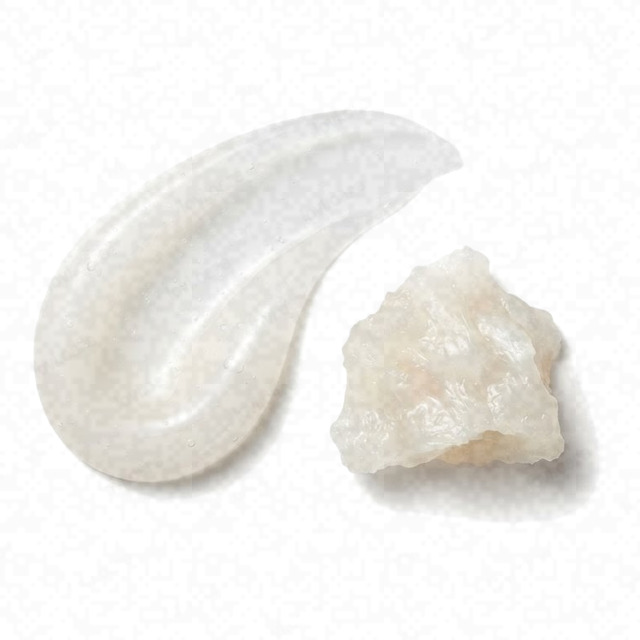 Glycosaminoglycans
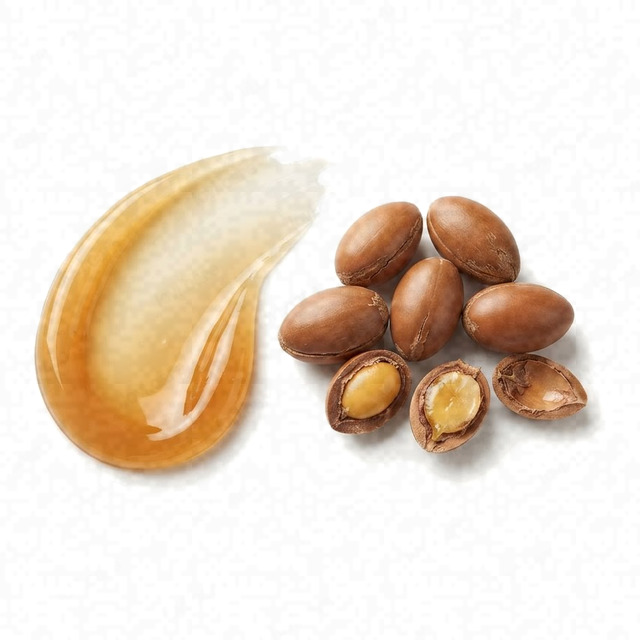 Argania Spinosa Kernel Oil
Average
- AverageCombination Skin Fit
- AverageEffectiveness
- ExcellentSafety
Works for acne-prone skin; other moisturizers fit it better.
- Clinical, Cosmetic and Investigational Dermatology, 2017
- Clinical, Cosmetic and Investigational Dermatology, 2019
This fit is calculated for the concerns frequently associated with acne-prone skin: breakouts, blackheads, and post-acne marks. For scores and recommendations based on your full skin profile, including your 12D face scan results and any goals or preferences you have, please use the Lovi app.
Page built Nov 8, 2026How the Fit score works
Lovi Assistant explains
- Offers moderate moisturizing for your combination skin, as glycerin and sodium hyaluronate provide hydration, while Argania Spinosa Kernel Oil and Camellia Sinensis Leaf Extract soothe without causing irritation. Tocopheryl Acetate offers antioxidant benefits supportive for acne and blemishes.
- The formula is safe for your combination skin, lacking harsh ingredients and containing soothing agents like Argania Spinosa Kernel Oil and Camellia Sinensis Leaf Extract.
- While it provides general hydration and soothing effects beneficial for acne, blemishes, and breakouts, it lacks specific ingredients for optimal oil control on your combination skin.
How to apply
- Use your moisturizer twice a day in your AM and PM routines. Apply it daily to help keep breakouts under control.
- Apply after your cleanser and toner, and make sure to use your SPF right after in the morning.
- Gently spread a small amount of moisturizer over your face using soft motions. Let it absorb into the skin for a minute before getting dressed or applying makeup.
- Apply on slightly damp skin to help lock in extra moisture. This keeps your combination skin balanced without feeling heavy.
- Avoid the eye area and do a patch test before your first use. Stop using if you feel any irritation.
People Say
★4.7Overall rating based on 700+ reviewsIts lightweight texture absorbs well and is suitable for use under makeup. However, a significant number of users find the high price point to be a drawback, and some with very dry skin may need an additional moisturizer.
Highlights
Reduces redness Mostly Mentioned
- “calms redness quickly”
- “decreased flushing”
- “soothed broken capillaries”
Expensive price point Mostly Mentioned
- “prohibitively expensive”
- “wish it was cheaper”
- “pricey for the amount”
Improves texture Often Mentioned
- “smoothes fine lines”
- “softens acne scars”
- “skin looks plumper”
- “improves crepey skin”
Soothing sensitive skin Often Mentioned
- “doesn't burn”
- “calms irritation”
- “safe for post-laser”
- “heals compromised barrier”
Lightweight texture Sometimes Noted
- “absorbs immediately”
- “silky finish”
- “great under makeup”
- “not sticky”
Not enough moisture Sometimes Noted
- “need a second moisturizer”
- “too light for winter”
- “not rich enough for dry skin”
- “dried out quickly”
Minor breakouts Rarely Noted
- “caused small bumps”
- “slight congestion”
- “texture felt silicone-heavy”
- “triggered acne”
Sources: lovi.care, sentelabs.com, dermstore.com, lovelyskin.com, reddit.com, milkandhoney.com, and more
Questions and answers
How well does SENTÉ Dermal Repair Cream work for acne-prone skin?
SENTÉ Dermal Repair Cream works moderately well for acne-prone skin, offering basic hydration and soothing benefits without causing irritation. However, it lacks specific oil control ingredients that products better suited for this skin type typically include.
Clinical, Cosmetic and Investigational Dermatology, 2017Contemporary Clinical Trials Communications, 2021
Which ingredients make this cream a good fit for acne-prone skin?
Sodium hyaluronate and glycerin help provide hydration, while argania spinosa kernel oil, camellia sinensis leaf extract, and tocopheryl acetate soothe the skin and offer antioxidant benefits supportive for acne and blemishes without causing irritation. For an even better fit on acne-prone skin, a product of this type needs specific ingredients for optimal oil control.
Clinical, Cosmetic and Investigational Dermatology, 2017Clinical, Cosmetic and Investigational Dermatology, 2019
What does Hyaluronic Acid do for acne-prone skin?
Hyaluronic acid helps acne-prone skin by soothing irritation, calming redness, and keeping the skin balanced without clogging pores. When combined with targeted ingredients like zinc oxide, it may also help reduce breakouts.
What does Heparan Sulfate Analog do for acne-prone skin?
Heparan Sulfate Analog helps calm irritated skin and supports moisture balance without feeling heavy, making it a good fit for acne-prone skin. It works to keep skin smooth and comfortable while soothing redness. This type of skin needs lightweight hydration and ingredients that calm flare-ups without clogging pores.
Where does it go in a skincare routine for acne-prone skin?
This moisturizer goes as the last step in your morning routine before sunscreen, and after your treatment in the evening. Daily moisturizing helps keep skin hydrated and comfortable, though acne-prone skin needs a product of this type that also includes ingredients for oil control.
The Journal of Dermatological Treatment, 2022Clinical, Cosmetic and Investigational Dermatology, 2017
Can I use this cream with retinol, and in what order?
You can use this moisturizing treatment with retinol by applying it after your retinol product to help keep your skin comfortable and reduce dryness. Using a soothing moisturizer alongside acne treatments is unlikely to cause irritation and may make your routine easier to stick with.
How often should I use it?
You can use this moisturizing treatment twice daily to help keep your acne-prone skin hydrated and calm. Regular daily use of such a moisturizer is unlikely to cause irritation and may support your skin barrier while managing breakouts.
Journal of Cosmetic Dermatology, 2020Health Science Reports, 2021
Can this cream clog pores, cause breakouts or purging for acne-prone skin?
This cream is unlikely to clog pores or cause breakouts on acne-prone skin, though some shoppers do report minor breakouts. This type of skin needs ingredients that help control oil along with soothing agents to keep breakouts in check.
Can I use it around the eyes or on my body?
This cream is generally safe to use on the body or around the eyes, where skin is naturally thinner. However, because it is formulated as a facial treatment, acne-prone skin in these areas still needs lightweight hydration and ingredients that help balance oil without clogging pores.
Is this cream fragrance-free and alcohol-free?
Yes, it has no fragrance and no drying alcohol. Cetearyl alcohol is a fatty alcohol, which soften the skin.
What the research says
A single application of a moisturizing fluid containing hyaluronic acid 1%, glycerin 5%, and Centella asiatica stem cells extract significantly increased skin hydration by 29% and reduced transepidermal water loss at 24 hours compared to baseline and an untreated control site in twenty healthy women.
Clinical, Cosmetic and Investigational Dermatology, 2017An anti-acne hydrogel containing Aloe barbadensis, Garcinia mangostana, and Camellia sinensis extracts showed superior antiacne and antiblotch activities compared to 1% clindamycin gel in sixty subjects with mild-moderate acne.
Clinical, Cosmetic and Investigational Dermatology, 2019Dermatological products containing d-alpha tocopheryl acetate showed non-comedogenic potential with less than a 50% increase in microcomedones in 12 healthy male subjects compared to octyl palmitate.
Contemporary Clinical Trials Communications, 2021Topical low-dose green tea extract reduces UVB-induced p53 expression and apoptosis in human skin keratinocytes compared to placebo.
Experimental Dermatology, 2009Topical application of 0.1% hyaluronic acid formulations of different molecular weights led to significant improvements in skin hydration and elasticity, with low-molecular-weight formulations also significantly reducing wrinkle depth in seventy-six female subjects compared to a vehicle control.
Journal of Drugs in Dermatology, 2011Topical application of hyaluronic acid in conjunction with free gingival graft significantly reduced donor site postoperative pain until day 7 compared to normal saline, with no significant differences in graft dimensions or patient satisfaction.
Clinical Oral Investigations, 2022Treatment with a hyaluronic acid-containing mouth rinse or topical gel led to significant lesion reduction, pain relief, and normalization of lesion color in adult patients with minor recurrent aphthous stomatitis, with the gel formulation showing an earlier healing onset at 3 days.
BMC Oral Health, 2019A topical eye cream containing low molecular weight heparan sulfate and naturally derived extracts improved periorbital hyperpigmentation, fine and coarse wrinkles, puffiness, and dark circles in 15 subjects over 12 weeks.
Journal of Cosmetic Dermatology, 2019Topical low molecular weight heparan sulfate improved periorbital discoloration and wrinkles starting at week two with continuous improvement up to week 12.
Journal of Cosmetic Dermatology, 2020Topical low molecular weight heparan sulfate improved skin hydration, firmness, elasticity, barrier function, and fine lines and wrinkles in 15 patients over 8 weeks.
Journal of Drugs in Dermatology, 2015Topical 2% N-acetyl glucosamine reduced facial hyperpigmentation in an 8-week split-face clinical test, with an even greater effect observed when combined with 4% niacinamide.
Journal of Cosmetic Dermatology, 2007N-acetyl-glucosamine-loaded nanostructured lipid carriers successfully delivered the hydrophilic agent through the skin and reduced melanin distribution in healthy volunteers.
Advanced Pharmaceutical Bulletin, 2016Topical cosmetic products containing hyaluronic acid, N-acetyl glucosamine, and gamma-amino butyric acid improved skin hydration by 24.28% to 33.60%, elasticity by 11.98%, and skin lightening by 5.26% over 2 months in 20 female participants.
Journal of Cosmetic and Laser Therapy, 2019Topical treatment with sphingolipids and glycosaminoglycans attenuated clinical worsening and reduced CADESI and PVAS scores compared to the untreated control group in house dust mite-allergic beagle dogs.
BMC Veterinary Research, 2020Glycosaminoglycans restored type I collagen synthesis, reduced matrix metalloproteinase-1 levels, upregulated tissue inhibitor of metalloproteinase-1, and attenuated apoptosis in tumor necrosis factor-alpha-stimulated human dermal fibroblasts by inhibiting extracellular signal-regulated kinase/activator protein-1 signaling.
International Journal of Molecular Medicine, 2018Fraction 3 of glycosaminoglycans from Liparis tessellatus eggs showed 20.1% tyrosinase inhibition at 50mg/mL and effective skin regeneration activities at 200mg/mL against skin fibroblast CCD-986sk cell lines.
International Journal of Biological Macromolecules, 2017A combination cream of stimu-tex AS and saccharide isomerate reduced erythema, increased skin capacitance, and reduced transepidermal water loss compared to placebo in 20 subjects after fractional CO2 laser procedure without causing serious adverse events.
Lasers in Medical Science, 2025Topical application of an argan oil NLC-based hydrogel formulation increased skin hydration in healthy volunteers over a one-month period through a synergistic effect of NLC occlusion and argan oil hydration.
International Journal of Nanomedicine, 2014Incorporating allantoin into argan oil enriched liposomes improved its accumulation in the dermis (~8.7μg/cm(2)) and permeation through the skin (~33μg/cm(2)) compared to conventional liposomes, water dispersion, and a commercial gel.
International Journal of Pharmaceutics, 2016
Why other moisturizers fit acne-prone skin better
A panthenol-enriched mask improved skin hydration, regulated sebum, and reduced redness and TEWL across dry sensitive, oily sensitive, and oily acne skin subgroups with excellent tolerance and no adverse reactions.
Journal of Cosmetic Dermatology, 2024Co-delivery of paeonol and madecassoside via nanoemulsions improved transdermal delivery, promoted barrier repair proteins, inhibited inflammatory cytokine secretion in cellular and 3D models, and reduced transepidermal water loss and acne in human facial skin compared to free components.
Molecules, 2023
Ingredients
Water, Caprylic Capric Triglyceride, C12-15 Alkyl Benzoate, Glycerin, Cetearyl Alcohol, Argania Spinosa Kernel Oil, Heparan Sulfate, Acetyl Glucosamine, Ethylhexyl Palmitate, Glyceryl Stearate, Peg-100 Stearate, Potassium Cetyl Phosphate, Cyclopentasiloxane, Dimethicone, Butylene Glycol, Tocopheryl Acetate, Tocopherol, Sodium Hyaluronate, Camellia Sinensis Leaf Extract, Chenopodium Quinoa Seed Extract, Acrylates C10-30 Alkyl Acrylate Crosspolymer, Aminomethyl Propanol, 1,2-Hexanediol, Caprylyl Glycol, Disodium Edta, Phenoxyethanol, Sodium Benzoate, Potassium Sorbate, Sorbic Acid
Behind this fit score
Lovi calculates every fit score from the full ingredient list with brand-independent rules our dermatologists and cosmetic chemists build and review, and personalizes every pick with AI trained on the real results of millions of users. Lovi trains its fit score models on a proprietary dataset built from more than 10,000 expert-labeled products and more than 100,000 simulated examples, following an internally consistent methodology presented at Cosmoprof, AMWC, and Skin of Color Update.
-

Co-founder, Medical Director
Cosmetic chemist, cosmetologist, aesthetic products developer
-

Co-founder, CEO and CTO
PhD in computer science, 3x US patent holder, ex-Google, ex-Yandex
-

Dr. Sofía Perea Pérez, MD, MSc
Medical Board
Aesthetic medicine practitioner, MSc in Longevity and Anti-Aging Medicine
-

Medical Board
Specialist dermatologist, MBBS, MD, IFAAD
-

Medical Board
Cosmetic chemist, SCS, IFSCC member
-

Medical Board, Medical Advisor
Dermatology MD
-

Elina Nazarenko, MD
Medical Board
Dermatology and diagnostic consultant
-

Victoria Derkova, MS
Medical Board
Cosmetic chemist, cosmetic development technologist


How does it fit your skin?
Scan your face, then any product: Lovi shows how well it fits you and what fits even better.