Rom&nd Zero Sun Clean 01 Fresh for skin with dark spots

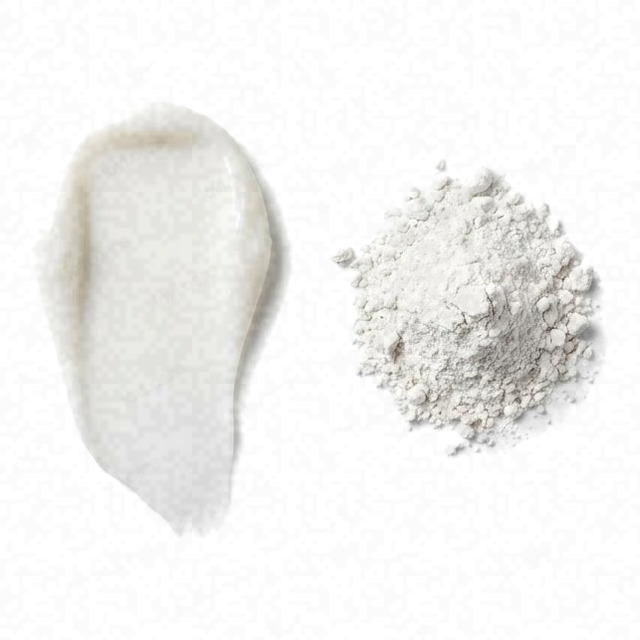 Zinc Oxide
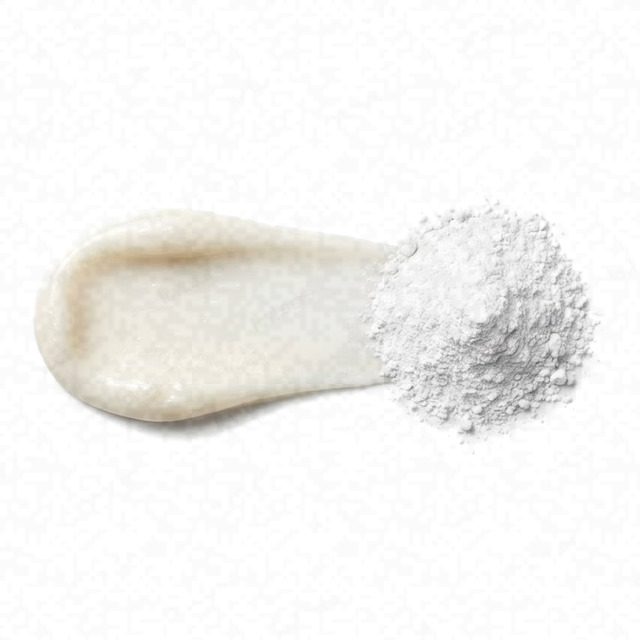 Titanium Dioxide
 Niacinamide
 Sodium Hyaluronate
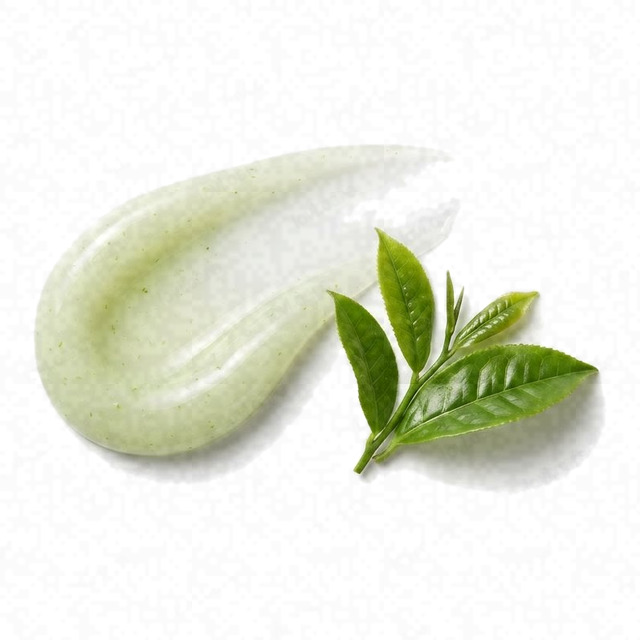 Camellia Sinensis Extract
Superior
- SuperiorNormal Skin Fit
- SuperiorEffectiveness
- ExcellentSafety
One of the best sunscreens for skin with dark spots.
This fit is calculated for the concerns frequently associated with dark spots: hyperpigmentation, sun spots, and uneven skin tone. For scores and recommendations based on your full skin profile, including your 12D face scan results and any goals or preferences you have, please use the Lovi app.
Page built Nov 8, 2026How the Fit score works
Lovi Assistant explains
- Excellent suitability for your normal skin is achieved through niacinamide and sodium hyaluronate, which provide essential humectant action and support barrier repair.
- The formula offers significant brightening and antioxidant effects for pigmentation concerns, thanks to targeted ingredients like niacinamide and Camellia Sinensis Extract.
- This product is safe for your normal skin, as it contains no harsh ingredients and includes soothing components like Camellia Sinensis Extract, Niacinamide, and Panthenol.
How to apply
- Apply your AM sunscreen as the final step of your morning skincare routine. Reapply every two hours when exposed to direct sunlight.
- Apply after your moisturizer and before applying any makeup. Make sure it is the very last step of your daytime skin care routine.
- Gently spread a generous amount evenly across your face and neck. Avoid rubbing too harshly to keep the protective layer even.
- Apply on completely dry skin after your moisturizer has fully absorbed. This ensures the protective barrier sits evenly on your face.
- Avoid direct contact with your eyes. Do a patch test before your first full application to ensure no irritation occurs.
People Say
★4.5Overall rating based on 200+ reviewsThis sunscreen is highly praised for its lightweight, lotion-like texture that absorbs quickly, leaving a natural or soft-matte finish, making it ideal for oily and combination skin types. It is noted for not leaving a white cast and performing well under makeup. Some users with sensitive or dry skin have mentioned that the essential oils can be irritating and that the product may be slightly drying throughout the day.
Highlights
Lightweight non-greasy texture Mostly Mentioned
- “feels like water cream”
- “absorbs instantly”
- “no sticky residue”
- “very light lotion”
Good for oily skin Often Mentioned
- “didn't make me oily”
- “perfect for summer”
- “controls sebum well”
- “fresh feeling”
Natural matte finish Often Mentioned
- “soft matte finish”
- “not overly shiny”
- “natural skin look”
- “no greasy sheen”
No white cast Often Mentioned
- “completely transparent”
- “no ghost face”
- “clear on skin”
- “invisible once blended”
Great under makeup Sometimes Noted
- “no pilling”
- “smooth makeup base”
- “foundation sits well”
- “doesn't separate makeup”
Contains essential oils Sometimes Noted
- “strong citrus scent”
- “irritated my eyes”
- “contains clove oil”
- “smell is overpowering”
Not moisturizing enough Rarely Noted
- “drying for dry skin”
- “need moisturizer underneath”
- “felt tight later”
- “clings to dry patches”
Not water resistant Rarely Noted
- “sweats off easily”
- “not for sports”
- “stings when sweating”
- “runs into eyes”
Slight white cast Rarely Noted
- “minimal cast initially”
- “slight tone up”
- “visible on dark skin”
- “takes time to blend”
Sources: lovi.care, stylekorean.com, oliveyoung.com, reddit.com, hikoco.co.nz, kbeautynotes.com, and more
Questions and answers
What makes Rom&nd Zero Sun Clean one of the best fits for skin with dark spots?
Rom&nd Zero Sun Clean is one of the best fits for skin with dark spots because it includes niacinamide and green tea extract, which provide brightening and antioxidant effects for pigmentation concerns. Niacinamide helps reduce dark spots by preventing pigment from transferring to skin cells, while green tea extract protects against UV-induced oxidative stress.
The British Journal of Dermatology, 2002Carcinogenesis, 2001
Which ingredients make this cream a good fit for skin with dark spots?
Niacinamide and Camellia Sinensis Extract make this cream a great fit by providing significant brightening and antioxidant effects for dark spots. Niacinamide significantly decreases hyperpigmentation and increases skin lightness, while green tea extract protects against UV-induced oxidative stress.
The British Journal of Dermatology, 2002Carcinogenesis, 2001
What does Zinc Oxide do for skin with dark spots?
Zinc oxide helps improve dark spots, melasma, and age spots when used regularly in skin preparations. Clinical studies show that preparations containing zinc oxide can successfully reduce unwanted skin darkening and even out skin tone while remaining very gentle and non-irritating.
What does Titanium Dioxide do for skin with dark spots?
Titanium dioxide helps protect skin with dark spots from ultraviolet rays that can make pigmentation worse. When formulated with iron oxides, it can also block visible light to help improve hyperpigmentation.
Where does this cream go in a skincare routine for skin with dark spots?
This cream goes as the last step of your morning routine, right after your moisturizer. It protects your skin from the sun while helping fade dark spots with brightening ingredients like niacinamide and green tea extract.
Journal of Drugs in Dermatology, 2023The British Journal of Dermatology, 2002
Can I use this cream with retinol, and in what order?
You can use this cream with retinol by applying your retinol treatment first in your evening routine, followed by a moisturizer, and then using this SPF as the final step in your morning routine. This approach helps protect your skin from sun sensitivity while supporting your routine with brightening and soothing ingredients.
The British Journal of Dermatology, 2002Carcinogenesis, 2001
How often should I use this cream?
Use this sunscreen every morning as the final step in your daytime skincare routine. Daily sun protection helps shield dark spots from UV rays and supports your skin-brightening routine.
Journal of Drugs in Dermatology, 2023The British Journal of Dermatology, 2002
Can this cream clog pores, cause breakouts or purging for skin with dark spots?
This cream is unlikely to clog pores or cause breakouts on your skin, as it contains no harsh ingredients and is well suited for normal skin types. It also includes soothing components like niacinamide and panthenol that help keep skin calm.
The British Journal of Dermatology, 2002American Journal of Clinical Dermatology, 2002
Is this cream fragrance-free and alcohol-free?
Yes, it has no fragrance and no drying alcohol.
What the research says
Hyaluronic acid extracts are safe and efficacious products for skin repair when used in tissue regeneration alone or in combination with herbal or Western medicine.
Journal of Pharmacy & Pharmaceutical Sciences, 2015Niacinamide significantly decreased hyperpigmentation and increased skin lightness compared with vehicle alone after 4 weeks of use in women by inhibiting melanosome transfer.
The British Journal of Dermatology, 2002Topical application of (-)-epigallocatechin-3-gallate (EGCG) to human skin before UV irradiation decreases UV-induced production of hydrogen peroxide by 68-90% and nitric oxide by 30-100%, inhibits leukocyte infiltration and lipid peroxidation by 41-84%, and restores glutathione levels and glutathione peroxidase activity compared to UV exposure alone.
Carcinogenesis, 2001Application of green tea extracts on normal human skin resulted in dose-dependent inhibition of UV-evoked erythema, reduced sunburn cells, protected Langerhans cells, and decreased UV-induced DNA damage compared to untreated UV-exposed skin.
Journal of the American Academy of Dermatology, 2001Topical dexpanthenol acts as a moisturizer, improves stratum corneum hydration, accelerates wound healing and epidermal regeneration, reduces erythema, and improves symptoms of skin irritation compared to vehicle or no pretreatment.
American Journal of Clinical Dermatology, 2002Topical 0.5% hyaluronic-ZnO nanogel applied twice daily reduced inflammatory-lesion counts by 58% at week four in human subjects compared to baseline without causing erythema.
Biomedicines, 2025Nels cream achieved a similar reduction in inflammatory and noninflammatory lesion counts compared to 5% benzoyl peroxide in acne vulgaris patients, but caused significantly fewer side-effects such as peeling and dryness.
Clinical and Experimental Dermatology, 2000Topically applied coated and uncoated zinc oxide nanoparticles under flexing and massage are retained in the stratum corneum with no significant penetration into the viable epidermis and no cellular toxicity in human skin.
Nanomedicine, 2016Microfine titanium dioxide does not penetrate human skin when formulated in an oil-in-water emulsion with the pigment dispersed in the aqueous phase, compared to oily dispersions and liposomal encapsulation which allow deeper skin penetration.
International Journal of Cosmetic Science, 2000Replacing microsized titanium dioxide and zinc oxide with nanoparticles in sunscreens eliminates opaqueness and alters UV protection balance while inducing (photo)cyto- and genotoxicity and penetrating viable skin layers during long-term exposures.
Nanotechnology, Science and Applications, 2011Microfine zinc oxide and titanium dioxide do not penetrate the stratum corneum of porcine skin in vitro, indicating that their use in sunscreens does not pose a health risk from internal exposure.
Toxicology in Vitro, 2006Topical post-laser application of human adipocyte-derived mesenchymal stem cell media combined with niacinamide significantly improved wrinkle index, melanin index, patient satisfaction, and investigator esthetic improvement scores compared to vehicle cream in patients with aging skin.
Journal of Cosmetic Dermatology, 2021Topical nicotinamide prevented solar-simulated UV-induced immunosuppression in healthy volunteers, and men experienced immunosuppression at solar-simulated UV doses three times lower than those required for women.
The Journal of Investigative Dermatology, 2008Topical 5% niacinamide applied twice daily for 12 weeks reduced fine lines and wrinkles, hyperpigmented spots, red blotchiness, and skin sallowness, and improved skin elasticity compared to vehicle control in 50 female white subjects with facial photoaging.
Dermatologic Surgery, 2005Topical application of 0.1% hyaluronic acid formulations of different molecular weights led to significant improvements in skin hydration and elasticity, with low-molecular-weight formulations also significantly reducing wrinkle depth in seventy-six female subjects compared to a vehicle control.
Journal of Drugs in Dermatology, 2011Topical application of hyaluronic acid in conjunction with free gingival graft significantly reduced donor site postoperative pain until day 7 compared to normal saline, with no significant differences in graft dimensions or patient satisfaction.
Clinical Oral Investigations, 2022Treatment with a hyaluronic acid-containing mouth rinse or topical gel led to significant lesion reduction, pain relief, and normalization of lesion color in adult patients with minor recurrent aphthous stomatitis, with the gel formulation showing an earlier healing onset at 3 days.
BMC Oral Health, 2019Topical green tea extract significantly improved clinical symptoms, tear breakup times, and meibomian gland health compared to standard treatment in patients with dry eye and Meibomian Gland Dysfunction.
Journal of Clinical and Diagnostic Research, 2017Topical low-dose green tea extract reduces UVB-induced p53 expression and apoptosis in human skin keratinocytes compared to placebo.
Experimental Dermatology, 2009An anti-acne hydrogel containing Aloe barbadensis, Garcinia mangostana, and Camellia sinensis extracts showed superior antiacne and antiblotch activities compared to 1% clindamycin gel in sixty subjects with mild-moderate acne.
Clinical, Cosmetic and Investigational Dermatology, 2019
Ingredients
Water, Cyclopentasiloxane, Zinc Oxide, Ethylhexyl Methoxycinnamate, Niacinamide, Camellia Sinensis Extract, Glycerin, Butylene Glycol, Titanium Dioxide, Caprylyl Methicone, Dimethicone, Sodium Hyaluronate, Tocopheryl Acetate, Panthenol, Allantoin, Adenosine, Phenoxyethanol
Behind this fit score
Lovi calculates every fit score from the full ingredient list with brand-independent rules our dermatologists and cosmetic chemists build and review, and personalizes every pick with AI trained on the real results of millions of users. Lovi trains its fit score models on a proprietary dataset built from more than 10,000 expert-labeled products and more than 100,000 simulated examples, following an internally consistent methodology presented at Cosmoprof, AMWC, and Skin of Color Update.
-

Co-founder, Medical Director
Cosmetic chemist, cosmetologist, aesthetic products developer
-

Co-founder, CEO and CTO
PhD in computer science, 3x US patent holder, ex-Google, ex-Yandex
-

Dr. Sofía Perea Pérez, MD, MSc
Medical Board
Aesthetic medicine practitioner, MSc in Longevity and Anti-Aging Medicine
-

Medical Board
Specialist dermatologist, MBBS, MD, IFAAD
-

Medical Board
Cosmetic chemist, SCS, IFSCC member
-

Medical Board, Medical Advisor
Dermatology MD
-

Elina Nazarenko, MD
Medical Board
Dermatology and diagnostic consultant
-

Victoria Derkova, MS
Medical Board
Cosmetic chemist, cosmetic development technologist


How does it fit your skin?
Scan your face, then any product: Lovi shows how well it fits you and what fits even better.