PCA SKIN Daily Exfoliant for sensitive skin

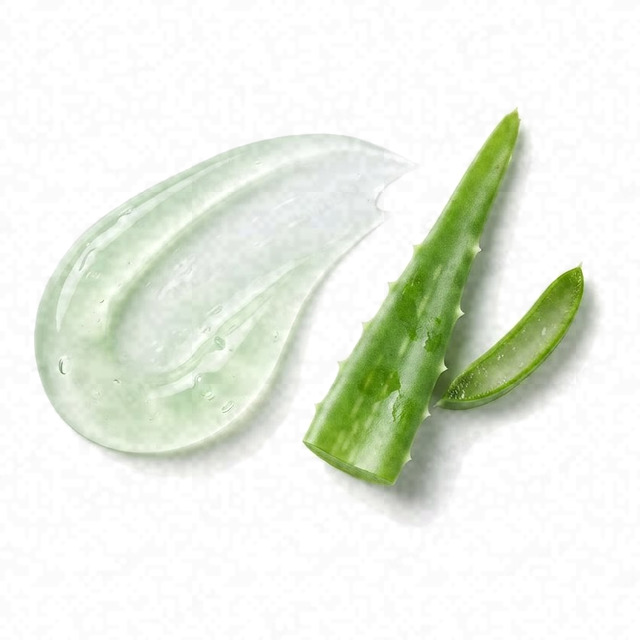 Aloe Barbadensis Leaf Juice
 Glycerin
 Benzyl Alcohol
 Caprylic Capric Triglyceride
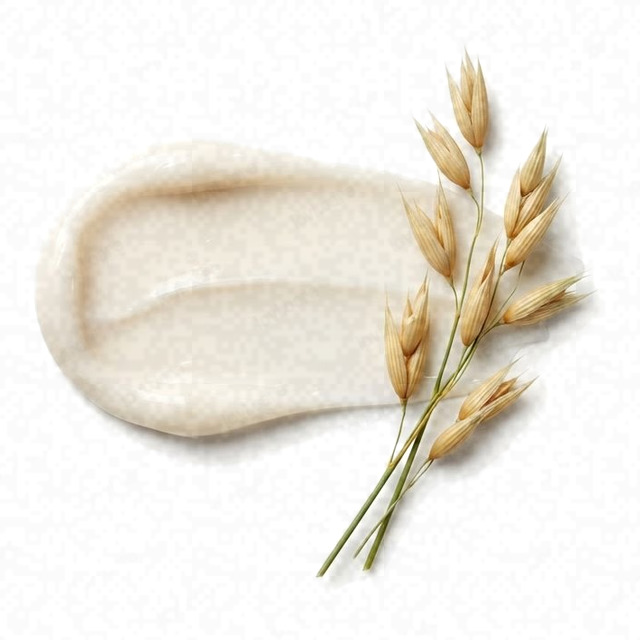 Avena Sativa Kernel Extract Oat Kernel Extract
Average
- HighNormal Skin Fit
- AverageEffectiveness
- HighSafety
Works for sensitive skin; other products fit it better.
This fit is calculated for the concerns frequently associated with sensitive skin: redness, stinging, and reactions to new products. For scores and recommendations based on your full skin profile, including your 12D face scan results and any goals or preferences you have, please use the Lovi app.
Page built Nov 8, 2026How the Fit score works
Lovi Assistant explains
- Offers moderate exfoliation suitable for normal skin due to cellulose acetate, while Aloe Barbadensis Leaf Juice and Bisabolol provide soothing and humectant benefits for your skin type. The formula is generally safe for your sensitive skin, as it lacks harsh ingredients and includes calming agents like Aloe Barbadensis Leaf Juice and Bisabolol.
- While the product offers general cleansing and soothing benefits, its primary ingredients are not specifically targeted to address your concerns of redness and irritation.
- The product is safe for your sensitive skin, containing no harsh ingredients and featuring soothing components like Aloe Barbadensis Leaf Juice and Bisabolol.
How to apply
- Use your exfoliant PM once a week to help with redness and irritation. Start slowly and only increase frequency if your skin feels happy and comfortable.
- Apply the exfoliant after cleansing and toner , but always before your moisturizer . This ensures the product absorbs properly into the skin.
- Gently press 2-3 drops of the exfoliant into your skin without rubbing . Let it absorb for a minute before moving on.
- Since your skin is sensitive , apply the exfoliant on completely dry skin for the best tolerance. This helps prevent any extra stinging or discomfort.
- Always do a patch test before your first use and avoid the delicate eye area .
People Say
★4.4Overall rating based on 200+ reviewsUsers find this product to be a gentle and effective daily exfoliant that enhances skin texture and clarity without causing irritation. It is well-suited for sensitive, aging, and acne-prone skin types, with most users reporting a soft and glowing complexion. A small number of reviews mention the physical beads can be messy or that the exfoliation is too mild for their needs.
Highlights
Gentle exfoliation Often Mentioned
- “gentle enough for daily use”
- “not harsh on skin”
- “so mild”
- “exfoliates without irritation”
Improves texture Often Mentioned
- “skin feels soft”
- “smoother, brighter skin”
- “refined complexion”
- “sloughs away dead skin”
Clears pores Sometimes Noted
- “unclog pores”
- “alleviate breakouts”
- “fewer blackheads”
- “clean and clear”
Non-drying Sometimes Noted
- “doesn't dry it out”
- “moisturizing exfoliant”
- “leaves skin soft”
- “feels refreshing”
Pleasant feel Rarely Noted
- “love the smell”
- “creamy texture”
- “luxurious foam”
- “feels fantastic”
High price Rarely Noted
- “pricey”
- “expensive for a wash”
- “investment skincare”
Messy application Rarely Noted
- “beads are messy”
- “messy residue”
- “grains everywhere”
Too mild Rarely Noted
- “just okay”
- “unlikely to reorder”
- “didn't do much”
- “too gentle”
Sources: lovi.care, dermstore.com, lovelyskin.com, influenster.com, skinelite.com, target.com, and more
Questions and answers
How well does Daily Exfoliant work for sensitive skin?
PCA SKIN Daily Exfoliant works as an average fit for sensitive skin because, while it includes calming ingredients like Aloe Barbadensis Leaf Juice and Bisabolol, it lacks targeted components for redness and irritation. An exfoliant treatment for this skin needs soothing antioxidants, hydrating agents, and specialized ingredients like niacinamide to effectively address redness and irritation without causing discomfort.
Which ingredients make this exfoliant a good fit for sensitive skin?
Aloe Barbadensis Leaf Juice and Bisabolol make this exfoliant a reasonable fit for sensitive skin by helping calm and soothe the skin. An exfoliant of this type needs ingredients like niacinamide, antioxidants, and skin-repairing components to properly address redness and irritation.
What does Aloe Vera Leaf Juice do for sensitive skin?
Aloe Vera Leaf Juice helps calm sensitive skin and keeps it hydrated without causing irritation. Studies show it supports skin comfort and can safely improve moisture levels.
Skin Research and Technology, 2006Journal of Cosmetic Dermatology, 2025
What does Glycerin do for sensitive skin?
Glycerin helps keep sensitive skin soft and deeply hydrated while supporting the skin barrier. It is unlikely to cause irritation and may protect against dryness and roughness.
The British Journal of Dermatology, 2008Acta Dermato-venereologica, 1999
Where does this exfoliant go in a skincare routine for sensitive skin?
This exfoliant goes in your evening routine once a week as a treatment step, and if your skin tolerates it well, you can carefully use it more often. Sensitive skin needs gentle exfoliants and calming ingredients like aloe and bisabolol, along with soothing agents that help calm redness and irritation.
Can I use this exfoliant with retinol, and in what order?
You can use this exfoliant and retinol in the same routine, but use them on alternate nights to help prevent dry, irritated skin. When using both, always apply your retinol at night and follow with a gentle moisturizer, saving this exfoliant treatment for a separate evening.
How often should I use this exfoliant?
You can start using this exfoliant once a week, and if your skin feels fine, you may carefully use it more often. This product type works for your sensitive skin with cellulose acetate, aloe vera, and bisabolol, but it needs extra calming and redness-reducing ingredients to truly fit your skin.
Can this exfoliant clog pores, cause breakouts or purging for sensitive skin?
This exfoliant is unlikely to clog pores or cause breakouts for sensitive skin, as it lacks heavy ingredients and includes soothing components like aloe and bisabolol. However, because it is not specifically designed to address redness and irritation, an exfoliant for this skin needs extra calming and barrier-strengthening ingredients to better manage those concerns.
Is this exfoliant fragrance-free and alcohol-free?
It has no drying alcohol and contains fragrance (benzyl alcohol).
What the research says
A cream combining propolis, tea tree oil, and Aloe vera reduced erythema scars, acne severity index, and total lesion count better than erythromycin cream in sixty patients with mild to moderate acne vulgaris compared to placebo.
Clinical Pharmacology, 2018Topical aloe vera gel significantly accelerated split-thickness skin graft donor-site healing compared to placebo in 12 patients, but showed no significant difference in pain relief.
Plastic and Reconstructive Surgery, 2018Topical application of Aloe vera cream reduced postoperative pain at rest and during defecation, accelerated wound healing at two weeks, and decreased analgesic requirements in patients after open hemorrhoidectomy compared to placebo.
Journal of Alternative and Complementary Medicine, 2010Formulations containing 0.10%, 0.25%, and 0.50% freeze-dried Aloe vera extract increased stratum corneum water content compared with the vehicle in 20 female subjects, while transepidermal water loss was not modified.
Skin Research and Technology, 2006A single application of a moisturizing fluid containing hyaluronic acid 1%, glycerin 5%, and Centella asiatica stem cells extract significantly increased skin hydration by 29% and reduced transepidermal water loss at 24 hours compared to baseline and an untreated control site in twenty healthy women.
Clinical, Cosmetic and Investigational Dermatology, 2017The emollient V0034CR significantly reduced TEWL compared to vehicle and vehicle plus glycerol, and significantly increased corneometry scores compared to vehicle and vehicle plus petrolatum in healthy volunteers with dry skin, demonstrating combined barrier function improvement from petrolatum and hydration improvement from glycerol.
Journal of Cosmetic Dermatology, 2020Ten days of treatment with a cream containing 20% glycerin significantly increased skin hydration measured by corneometer values in 17 healthy volunteers compared to a placebo cream, but showed no influence on transepidermal water loss or skin sensitivity to an irritating surfactant.
International Journal of Cosmetic Science, 2001Benzyl alcohol acted moderately and reversibly on stratum corneum lipids, increasing hygroscopicity and decreasing water-holding capacity to the same extent as Azone and DMSO.
Biological & Pharmaceutical Bulletin, 1995Topical application of an emollient emulsion containing 15.0% caprylic/capric triglyceride doubled the amount of urocanic acid isomers and increased skin hydration with reduced transepidermal water loss in healthy subjects, though it did not prevent ultraviolet-induced urocanic acid isomerization.
Life, 2023A repair cream containing Rhealba oat plantlets extract, l-ALA-l-GLU dipeptide, and hyaluronic acid provided immediate relief and was judged by doctors as good or very good in 96.8% of cases for wound healing in 2,363 patients following dermatological acts.
Clinical, Cosmetic and Investigational Dermatology, 2018Topically applied Avena sativa and Avena Rhealba oatmeal extracts significantly reduced skin irritation parameters including a* parameter increase and blood flow increase compared to vehicle in 12 healthy individuals subjected to the sodium lauryl sulfate irritation model.
Skin Pharmacology and Applied Skin Physiology, 2002Colloidal oat extracts diminished pro-inflammatory cytokines in vitro and colloidal oat lotion improved skin dryness, scaling, roughness, and itch intensity in healthy female subjects compared to baseline.
Journal of Drugs in Dermatology, 2015
Why other products fit sensitive skin better
Topical application of TAT-SOD significantly suppresses UVB-induced erythema formation, blood flow rise, and apoptotic sunburn cell formation in human volunteers compared to a vehicle control.
European Journal of Pharmaceutics and Biopharmaceutics, 2016
Ingredients
Water, Sodium C14-16 Olefin Sulfonate, Propanediol, Cellulose Acetate, Caprylyl Capryl Glucoside, Acrylates Copolymer, Coco-Glucoside, Glyceryl Oleate, Sodium Cocoamphoacetate, Glycerin, Aloe Barbadensis Leaf Juice, Caprylic Capric Triglyceride, Benzyl Alcohol, Cocamidopropyl Hydroxysultaine, Ethylhexylglycerin, Bisabolol, Hydrolyzed Jojoba Esters, Sclerotium Gum, Sodium Hydroxide, Rosmarinus Officinalis Oil Leaf Rosemary Oil Leaf, Salicornia Herbacea Extract, Tetrasodium Edta, Lavandula Angustifolia Oil Lavender Oil, Camellia Oleifera Leaf Extract, Avena Sativa Kernel Extract Oat Kernel Extract
Behind this fit score
Lovi calculates every fit score from the full ingredient list with brand-independent rules our dermatologists and cosmetic chemists build and review, and personalizes every pick with AI trained on the real results of millions of users. Lovi trains its fit score models on a proprietary dataset built from more than 10,000 expert-labeled products and more than 100,000 simulated examples, following an internally consistent methodology presented at Cosmoprof, AMWC, and Skin of Color Update.
-

Co-founder, Medical Director
Cosmetic chemist, cosmetologist, aesthetic products developer
-

Co-founder, CEO and CTO
PhD in computer science, 3x US patent holder, ex-Google, ex-Yandex
-

Dr. Sofía Perea Pérez, MD, MSc
Medical Board
Aesthetic medicine practitioner, MSc in Longevity and Anti-Aging Medicine
-

Medical Board
Specialist dermatologist, MBBS, MD, IFAAD
-

Medical Board
Cosmetic chemist, SCS, IFSCC member
-

Medical Board, Medical Advisor
Dermatology MD
-

Elina Nazarenko, MD
Medical Board
Dermatology and diagnostic consultant
-

Victoria Derkova, MS
Medical Board
Cosmetic chemist, cosmetic development technologist


How does it fit your skin?
Scan your face, then any product: Lovi shows how well it fits you and what fits even better.