NEOGEN Dermalogy Real Niacinamide Serum for dry skin

 Niacinamide
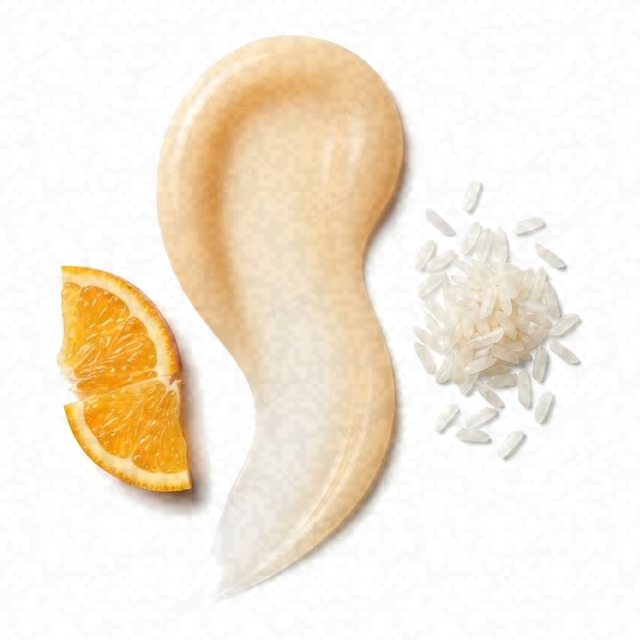 Ferulic Acid
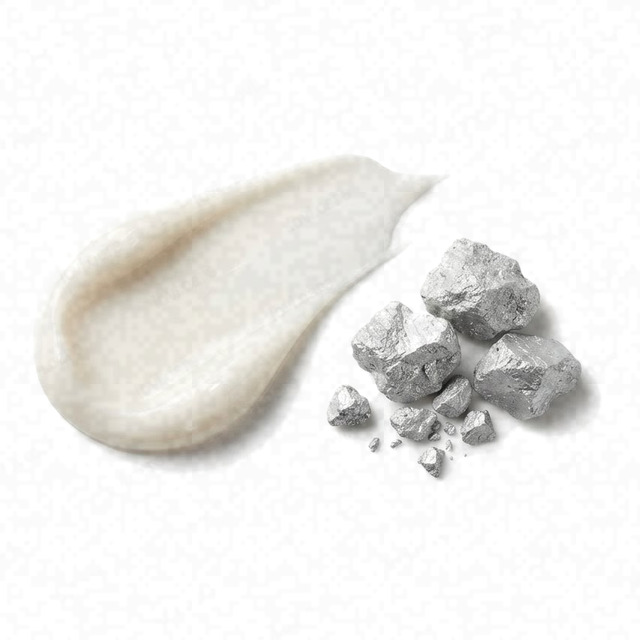 Zinc
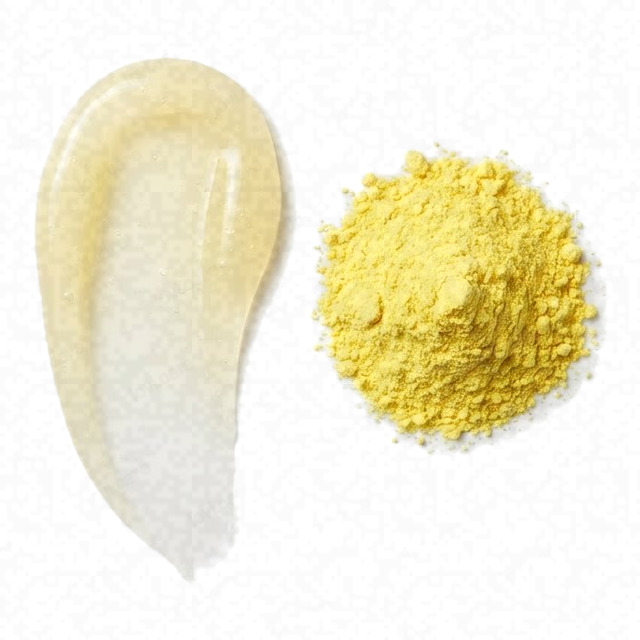 Vitamin B
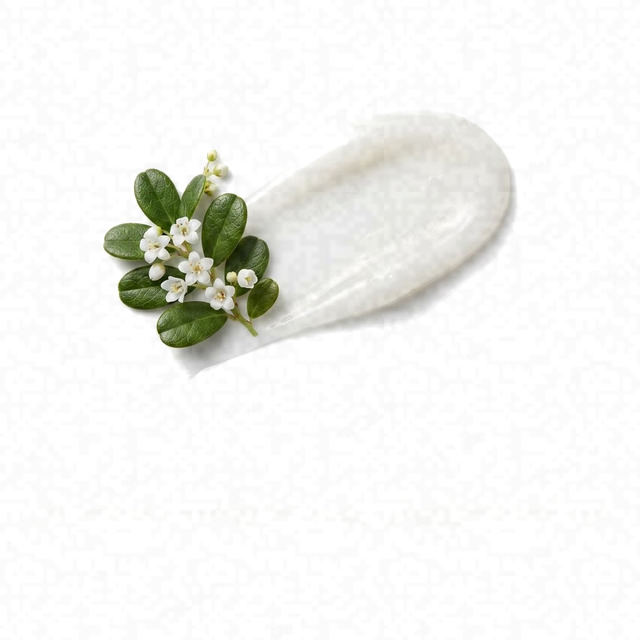 Arbutin
High
- HighDry Skin Fit
- HighEffectiveness
- HighSafety
A great choice for dry skin; a few serums fit it even better.
This fit is calculated for the concerns frequently associated with dry skin: flakiness, tightness, dehydration, fine lines, and wrinkles. For scores and recommendations based on your full skin profile, including your 12D face scan results and any goals or preferences you have, please use the Lovi app.
Page built Nov 8, 2026How the Fit score works
Lovi Assistant explains
- Highly suitable for your dry skin as Glycerin and Sodium Hyaluronate provide excellent humectant action, while Panthenol supports skin barrier repair, addressing dryness and flakiness effectively.
- Niacinamide and Arbutin offer significant brightening and evening of skin tone, complementing your skin's hydration needs.
- The product is safe for your dry skin, with no risks of irritation due to the absence of prohibited or harsh ingredients.
How to apply
- Apply this serum PM, starting 3×/week and working up to daily use as your skin adjusts.
- Place the serum after cleansing and toner, but right before your moisturizer.
- Gently press 2-3 drops of the serum into your skin and let it absorb for a minute.
- Apply the serum on slightly damp skin to help lock in extra moisture.
- Avoid the eye area and do a patch test before your first use.
People Say
★4.6Overall rating based on 200+ reviewsUsers consistently praise this serum for its ability to brighten dull complexions and fade hyperpigmentation while effectively regulating oil production. The lightweight, milky texture is widely appreciated for absorbing quickly and layering well, though the packaging is frequently criticized for accumulating crystallized product around the rim.
Highlights
Brightens skin Often Mentioned
- “Radiant and revitalized”
- “enhances skin brightness”
- “glowy and fresh”
- “immediate glow”
Fades dark spots Often Mentioned
- “Lighten pigmentations”
- “reduces hyperpigmentation”
- “fades dark spots”
- “helps with acne marks”
Hydrating & lightweight Often Mentioned
- “Deeply moisturized”
- “lightweight milky consistency”
- “absorbs quickly”
- “non-sticky finish”
Controls oil Sometimes Noted
- “Regulates excess sebum”
- “balances oil production”
- “controlled excess oil”
- “less greasy”
Improves texture Sometimes Noted
- “Smooths skin texture”
- “tightens pores”
- “refines texture”
- “softens fine lines”
Packaging issues Sometimes Noted
- “Bad bottle design”
- “white crust around rim”
- “messy and waste”
- “crystallizing product”
Mild irritation Rarely Noted
- “Sting a little”
- “caused redness”
- “tingling sensation”
No visible results Rarely Noted
- “Didn't notice brightening”
- “okay product”
- “no change in spots”
Sticky texture Rarely Noted
- “Slightly tacky”
- “sticky feeling”
- “takes time to set”
Unpleasant scent Rarely Noted
- “Chemical smell”
- “weird scent”
- “fragrance-free but smells odd”
Sources: lovi.care, ulta.com, sokoglam.com, neogenlab.us, oliveyoung.com, yesstyle.com, and more
Questions and answers
What makes NEOGEN Real Niacinamide Serum a great fit for dry skin?
NEOGEN Dermalogy Real Niacinamide Serum is a great fit because glycerin and sodium hyaluronate draw in moisture, while panthenol helps repair the skin barrier to stop dryness and flakiness. Niacinamide and arbutin also help brighten and even out your skin tone while keeping it hydrated. The serum is very safe for dry skin and is unlikely to cause irritation.
Clinical, Cosmetic and Investigational Dermatology, 2017The Journal of Dermatological Treatment, 2017
Which ingredients make this serum a good fit for dry skin?
This serum is a great fit for dry skin because glycerin and sodium hyaluronate draw in moisture, while panthenol helps repair the skin barrier to stop flakiness. It is very unlikely to cause irritation and is completely safe for dry skin.
The Journal of Dermatological Treatment, 2017American Journal of Clinical Dermatology, 2002
What does Niacinamide do for dry skin?
Niacinamide helps dry skin by strengthening the skin barrier, increasing hydration, and reducing water loss. It supports ceramide production and helps keep the surface smooth and calm. This ingredient tends to be very well tolerated and is unlikely to irritate dry skin.
Journal of Cosmetic Dermatology, 2004Journal of Cosmetic Dermatology, 2026
What does Ferulic Acid do for dry skin?
Ferulic acid helps keep dry skin hydrated and supports the skin barrier. It helps lock in moisture to reduce dryness and keep the skin feeling soft and smooth.
International Journal for Vitamin and Nutrition Research. Internationale Zeitschrift Fur Vitamin- und Ernahrungsforschung. Journal International de Vitaminologie Et de Nutrition, 2023Clinical, Cosmetic and Investigational Dermatology, 2019
Where does this serum go in a skincare routine for dry skin?
This serum goes in your evening routine after cleansing and before your moisturizer. Putting it on at night helps keep things simple and protects your skin while it rests.
Can I use this serum with retinol, and in what order?
You can use this serum with retinol by applying the serum first to give your dry skin a boost of hydration, followed by your retinol. This approach helps keep your skin soft and smooth while minimizing the risk of irritation.
The Journal of Dermatological Treatment, 2017The British Journal of Dermatology, 2002
How often should I use this serum?
You can use this treatment serum in your evening routine. Using it at night keeps things simple and gives you extra safety around sun exposure.
Can this serum clog pores, cause breakouts or purging for dry skin?
This serum is unlikely to clog pores or cause breakouts for dry skin because it is safe and free of harsh ingredients. Glycerin and sodium hyaluronate help draw in moisture, while panthenol supports skin barrier repair.
Clinical, Cosmetic and Investigational Dermatology, 2017The Journal of Dermatological Treatment, 2017
Is this serum fragrance-free and alcohol-free?
Yes, it has no fragrance and no drying alcohol.
What the research says
A new topical panthenol-containing emollient significantly improved transepidermal water loss reduction, stratum corneum hydration, and intercellular lipid lamellae length compared with control in healthy subjects without negatively impacting bacterial viability.
The Journal of Dermatological Treatment, 2017Topical dexpanthenol acts as a moisturizer, improves stratum corneum hydration, accelerates wound healing and epidermal regeneration, reduces erythema, and improves symptoms of skin irritation compared to vehicle or no pretreatment.
American Journal of Clinical Dermatology, 2002A single application of a moisturizing fluid containing hyaluronic acid 1%, glycerin 5%, and Centella asiatica stem cells extract significantly increased skin hydration by 29% and reduced transepidermal water loss at 24 hours compared to baseline and an untreated control site in twenty healthy women.
Clinical, Cosmetic and Investigational Dermatology, 2017Niacinamide significantly decreased hyperpigmentation and increased skin lightness compared with vehicle alone after 4 weeks of use in women by inhibiting melanosome transfer.
The British Journal of Dermatology, 2002A panthenol-enriched mask significantly decreased erythema and hyperpigmentation, increased sebum and stratum corneum moisture, and reduced transepidermal water loss compared to a saline dressing in 60 subjects undergoing facial laser treatment.
Journal of Cosmetic Dermatology, 2025Topical post-laser application of human adipocyte-derived mesenchymal stem cell media combined with niacinamide significantly improved wrinkle index, melanin index, patient satisfaction, and investigator esthetic improvement scores compared to vehicle cream in patients with aging skin.
Journal of Cosmetic Dermatology, 2021Topical nicotinamide prevented solar-simulated UV-induced immunosuppression in healthy volunteers, and men experienced immunosuppression at solar-simulated UV doses three times lower than those required for women.
The Journal of Investigative Dermatology, 2008Topical 5% niacinamide applied twice daily for 12 weeks reduced fine lines and wrinkles, hyperpigmented spots, red blotchiness, and skin sallowness, and improved skin elasticity compared to vehicle control in 50 female white subjects with facial photoaging.
Dermatologic Surgery, 2005Treatment with 14% ferulic acid and 12% l-ascorbic acid significantly reduced pigmentation and erythema while improving hydration and elasticity in 20 women with photoaged skin, with neither acid proving definitively more effective overall though ascorbic acid showed slightly greater skin lightening.
Dermatologic Therapy, 2022Combining fractional microneedle radiofrequency with a topical antioxidant serum significantly reduced wrinkle severity by 29.9% versus 18.0%, increased elasticity by 12.9% versus 2.3%, and improved aesthetic outcomes in 31 participants compared to radiofrequency and placebo.
The Journal of Dermatological Treatment, 2025Pretreatment with a topical antioxidant mixture of vitamin C, ferulic acid, and phloretin attenuated ultraviolet-induced sunburn cell formation, thymine dimer formation, matrix metalloproteinase-9 expression, p53 protein expression, and the suppression of CD1a-expressing Langerhans cells in human skin compared to vehicle control.
Journal of Cosmetic Dermatology, 2008Topical zinc treatment enhanced MMP-1 expression beneath the neoepidermis and metallothionein expression under the neoepidermis and in the wound bed in human epidermal wounds compared to placebo and control treatments.
European Journal of Cell Biology, 2021Topical preparations containing zinc(II) complexes with glycine and histidine effectively treat acne skin by providing high antibacterial activity against C. acnes and low cytotoxicity for skin cells, with no observed irritation or allergy in healthy volunteers.
International Journal of Molecular Sciences, 2021Topical copper and zinc formulations promote skin healing by exerting antimicrobial effects, modulating macrophage polarization, acting as enzyme cofactors, stimulating angiogenesis, and supporting re-epithelialization.
Dermatology and Therapy, 2026Topical riboflavin photodynamic therapy showed comparable efficacy in reducing acne lesions and fewer adverse events compared with 5-aminolevulinic acid photodynamic therapy in patients with mild to moderate facial acne.
Photodiagnosis and Photodynamic Therapy, 2025Topical application of niacin derivatives increased hair fullness in sixty female subjects with female pattern hair loss compared to placebo.
Journal of Cosmetic Dermatology, 2005Topical myristyl nicotinate increased skin cell NAD, stratum corneum thickness, epidermal thickness, epidermal renewal, minimal erythemal dose, and barrier resistance while reducing transepidermal water loss in subjects with photodamaged skin compared to placebo.
Experimental Dermatology, 2007A non-hydroquinone topical formulation (SKNB19) improved hyperpigmentation by 28.5% in patient self-assessment and 27% in independent reviewer assessment compared with 4% hydroquinone in 18 adult subjects, while showing significantly less irritation and better tolerability.
Journal of Cosmetic Science, 2020Encapsulation of alpha arbutin in an optimized ethosomal gel significantly improved skin melanin reduction, moisture content, and elasticity in human volunteers compared to conventional formulations.
Heliyon, 2023Combining a home-based radiofrequency device and arbutin cream reduced mMASI scores by 25.6% and melanin index by 22.8% at 8 weeks compared to baseline in 38 participants.
Journal of Cosmetic Dermatology, 2025
Ingredients
Water, Glycerin, Cetyl Ethylhexanoate, Dipropylene Glycol, 1,2-Hexanediol, Polysorbate 60, Propanediol, Bisabolol, Coco-Caprylate Caprate, Tromethamine, Acrylates C10-30 Alkyl Acrylate Crosspolymer, Carbomer, Ethylhexylglycerin, Caprylic Capric Triglyceride, Adenosine, Xanthan Gum, Hydrogenated Lecithin, Phytosteryl Octyldodecyl Lauroyl Glutamate, Ceramide Np, Riboflavin, Arbutin, Thiamine Hcl, Panthenol, Zinc Pca, Ferulic Acid, Sodium Hyaluronate, Sodium Octenylsuccinate Starch, Houttuynia Cordata Extract, Sodium Ascorbyl Phosphate, Tocopheryl Acetate, Pyridoxine Hcl, Calendula Officinalis Extract, Artemisia Capillaris Extract, Silica
Behind this fit score
Lovi calculates every fit score from the full ingredient list with brand-independent rules our dermatologists and cosmetic chemists build and review, and personalizes every pick with AI trained on the real results of millions of users. Lovi trains its fit score models on a proprietary dataset built from more than 10,000 expert-labeled products and more than 100,000 simulated examples, following an internally consistent methodology presented at Cosmoprof, AMWC, and Skin of Color Update.
-

Co-founder, Medical Director
Cosmetic chemist, cosmetologist, aesthetic products developer
-

Co-founder, CEO and CTO
PhD in computer science, 3x US patent holder, ex-Google, ex-Yandex
-

Dr. Sofía Perea Pérez, MD, MSc
Medical Board
Aesthetic medicine practitioner, MSc in Longevity and Anti-Aging Medicine
-

Medical Board
Specialist dermatologist, MBBS, MD, IFAAD
-

Medical Board
Cosmetic chemist, SCS, IFSCC member
-

Medical Board, Medical Advisor
Dermatology MD
-

Elina Nazarenko, MD
Medical Board
Dermatology and diagnostic consultant
-

Victoria Derkova, MS
Medical Board
Cosmetic chemist, cosmetic development technologist


How does it fit your skin?
Scan your face, then any product: Lovi shows how well it fits you and what fits even better.