Mario Badescu Glycolic Eye Cream for acne-prone skin

 Glycolic Acid
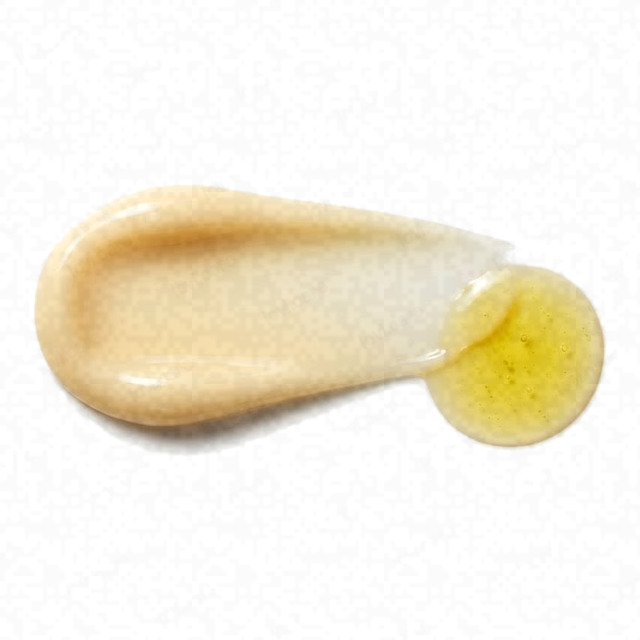 Olus Oil
 Tocopherol Vitamin E
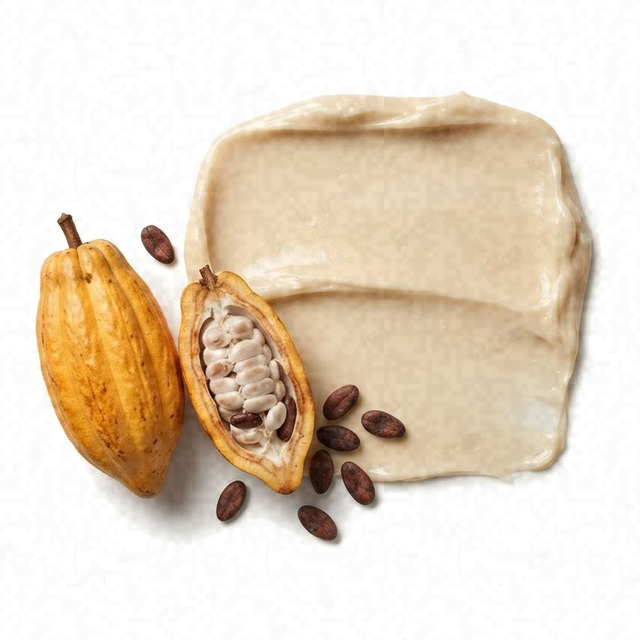 Theobroma Cacao Seed Butter
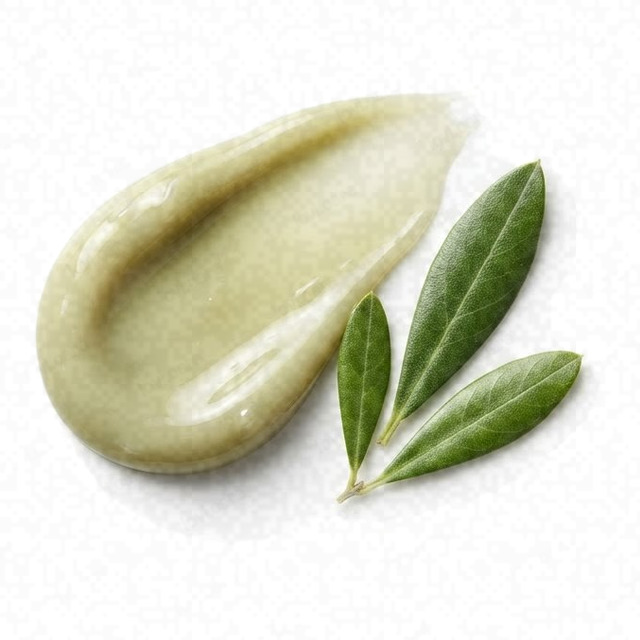 Olea Europaea Leaf Extract Olive Leaf Extract
Average
- HighCombination Skin Fit
- AverageEffectiveness
- ExcellentSafety
Works for acne-prone skin; other eye cares fit it better.
This fit is calculated for the concerns frequently associated with acne-prone skin: breakouts, blackheads, and post-acne marks. For scores and recommendations based on your full skin profile, including your 12D face scan results and any goals or preferences you have, please use the Lovi app.
Page built Nov 8, 2026How the Fit score works
Lovi Assistant explains
- Offers moderate moisturizing for your combination skin, with Olea Europaea Leaf Extract and Theobroma Cacao Seed Butter providing hydration and smoothing texture, though these benefits are not directly targeted at your acne, blemishes, and breakouts.
- Glycolic acid and tocopherol offer keratolytic action and antioxidant activity, which are beneficial for combination skin, but do not significantly address your primary concerns.
- The product is safe for your combination skin, as it lacks harsh ingredients and includes soothing components like Olea Europaea Leaf Extract and Tocopherol.
People Say
★4.4Overall rating based on 500+ reviewsUsers with dry and mature skin frequently praise this rich, emollient cream for its ability to deeply hydrate and plump the under-eye area overnight. While many report visible improvements in fine lines and brightness, some find the heavy, oil-based formula too greasy for daytime use or prone to causing milia if over-applied.
Highlights
Intense hydration Mostly Mentioned
- “Very moisturizing”
- “super hydrating”
- “rich and creamy”
- “great for dry skin”
Smooths fine lines Often Mentioned
- “Softens fine lines”
- “smoother texture”
- “helps with wrinkles”
- “youthful appearance”
Greasy texture Often Mentioned
- “Too oily”
- “greasy puddle”
- “heavy film”
- “not for day use”
- “shiny residue”
Brightening effect Sometimes Noted
- “Brightens under eyes”
- “darkness seems lighter”
- “helps dark circles”
- “looks less dull”
Excellent value Sometimes Noted
- “Little goes long way”
- “lasts for ages”
- “good price point”
- “jar lasts months”
Plumping & softening Sometimes Noted
- “Skin looks plumped”
- “softens delicate area”
- “revives tired eyes”
- “dewy finish”
Slow absorption Sometimes Noted
- “Sits on skin”
- “takes forever to absorb”
- “doesn't sink in”
- “messy on pillow”
Inconsistent texture Rarely Noted
- “Separated formula”
- “watery consistency”
- “liquid layer”
- “quality control issues”
Ineffective for some Rarely Noted
- “No difference seen”
- “didn't help circles”
- “just a moisturizer”
- “no anti-aging results”
Milia concerns Rarely Noted
- “Caused milia”
- “tiny white bumps”
- “clogged pores”
- “too rich”
Sources: lovi.care, mecca.com, cultbeauty.com, influenster.com, beautybay.com, ulta.com, and more
Questions and answers
How well does Mario Badescu Glycolic Eye Cream work for acne-prone skin?
Mario Badescu Glycolic Eye Cream works moderately well for acne-prone skin, providing hydration and smoothing texture, though it does not directly target breakouts and blemishes. An eye care product for acne-prone skin needs ingredients like niacinamide and sodium hyaluronate to effectively address blemishes while maintaining skin health, along with non-clogging moisturizers like avocado oil and squalene.
Journal of Cosmetic Dermatology, 2020Journal of Cosmetic Dermatology, 2020
Which ingredients make this cream a good fit for acne-prone skin?
This cream works for your acne-prone skin because it offers moderate moisture and smoothing with Olea Europaea Leaf Extract and Theobroma Cacao Seed Butter, while Glycolic Acid and Tocopherol provide helpful smoothing and antioxidant effects. However, since it does not directly target breakouts, an eye product for this skin needs ingredients like niacinamide and sodium hyaluronate to help clear blemishes while keeping the area hydrated.
Journal of Cosmetic Dermatology, 2020Journal of Cosmetic Dermatology, 2020
What does Glycolic Acid do for acne-prone skin?
Glycolic acid helps clear acne-prone skin by reducing pimples and breakouts. It also helps fade dark spots left behind by acne and controls skin oiliness, with very few side effects when used properly.
Journal of Cosmetic Dermatology, 2021Dermatologic Surgery, 2014
What does Vegetable Oil do for acne-prone skin?
Vegetable oil may not be the best fit for acne-prone skin because certain types can disrupt the skin barrier depending on their fatty acid makeup. An acne-prone skin routine needs lightweight, non-clogging plant oils with a higher ratio of linoleic acid to help keep skin smooth and clear.
Where does this cream go in a skincare routine for acne-prone skin?
This eye cream goes after cleansing and toning in your routine. Acne-prone skin needs a product that targets breakouts and blemishes directly.
Can I use this cream with retinol, and in what order?
You can use this cream alongside retinol by applying the retinol first, letting it absorb, and then following with this cream to help keep your skin comfortable. Because this eye cream contains glycolic acid, using them together may occasionally cause extra tingling, so you might want to start slowly and watch how your skin reacts.
How often should I use this cream?
You can use this eye cream daily as part of your routine, though it works better for combination skin than for addressing breakouts. To properly care for acne-prone skin, this type of product needs targeted blemish-fighting ingredients and oil-balancing components.
Can this cream clog pores, cause breakouts or purging for acne-prone skin?
This cream is unlikely to cause purging, but it may lead to breakouts for acne-prone skin because it contains rich ingredients like cocoa seed butter and oils that do not target blemishes. To properly care for acne-prone skin, a product of this type needs lightweight hydrators and clarifying ingredients that clear pores without feeling greasy.
Is this cream fragrance-free and alcohol-free?
Yes, it has no fragrance and no drying alcohol. Cetyl alcohol is a fatty alcohol, which soften the skin.
What the research says
Application of olive leaf extract-containing cream twice daily for 2 months significantly decreased transepidermal water loss and increased skin hydration and wrinkles in 36 participants with photoaging skin.
Journal of Cosmetic Dermatology, 2020A topical serum containing vitamin C, vitamin E, and raspberry leaf cell culture extract improved skin color, elasticity, radiance, smoothness, scaliness, and wrinkles compared to the untreated contralateral side in fifty female volunteers.
Journal of Cosmetic Dermatology, 2020Repeated short-contact 70% glycolic acid peels provided superior results in atrophic acne scars compared to daily low-strength glycolic acid cream or placebo in 58 women over 24 weeks.
International Journal of Dermatology, 2000Serial glycolic acid peels combined with a modified Kligman formula significantly reduced facial PIH severity in Indian patients compared to the modified Kligman formula alone.
Dermatologic Surgery, 2017Emulsions containing rabbit fat modified with vegetable oil received higher scores for consistency and skin hydration from a sensory panel and were more appreciated by consumers compared to unmodified systems.
Biomolecules, 2021A vegetable oil blend formulation reduced wound healing time by increasing cells in the wounded area by 43.0±5.1% and suppressed pro-inflammatory TNF-α, IL-6, NO, and O2- production in stimulated macrophages compared to a negative control.
Brazilian Journal of Medical and Biological Research = Revista Brasileira de Pesquisas Medicas E Biologicas, 2019Topical treatment with a vegetable oil blend formulation accelerated cutaneous wound healing and re-epithelialization, increased granular tissue, modulated pro-inflammatory cytokines, and improved collagen deposition compared to vehicle control in animal excisional wounds.
Archives of Dermatological Research, 2019Topical application of an antioxidant serum containing 15% ascorbic acid, 0.5% ferulic acid, and 1% tocopherol prevented particulate matter-induced degradation of extracellular matrix components, inflammation, and oxidative stress in the skin of 15 female volunteers compared to untreated controls.
Journal of Cosmetic Dermatology, 2025Dermatological products containing d-alpha tocopheryl acetate showed non-comedogenic potential with less than a 50% increase in microcomedones in 12 healthy male subjects compared to octyl palmitate.
Contemporary Clinical Trials Communications, 2021Topical application of an antioxidant mix containing 15% ascorbic acid, 0.5% ferulic acid, and 1% tocopherol prevented PM and UV-induced skin barrier perturbation, lipid peroxidation, inflammatory markers, MMP9 activation, and Type I collagen loss in 15 healthy females compared to untreated exposed skin.
Journal of Cosmetic Dermatology, 2024Topical herbal treatments including lemon balm, olive leaf extract, propolis, and sage-rhubarb cream reduce pain, swelling, lesion size, and healing time in patients with herpes labialis compared with placebo or acyclovir.
Journal of Integrative and Complementary Medicine, 2025Topical oleuropein formulations reduced erythema, transepidermal water loss, and blood flow by approximately 22%, 35%, and 30% in healthy volunteers with UVB-induced erythema.
International Journal of Cosmetic Science, 2008An oil-in-serum formulation containing olive extract standardized in hydroxytyrosol improved skin barrier function and significantly reduced hyperpigmentation in participants with post-inflammatory hyperpigmentation after 45 days of application.
AAPS PharmSciTech, 2026
Why other eye cares fit acne-prone skin better
Sodium ascorbyl phosphate provides effective antimicrobial action, prevents sebum oxidation, and demonstrates superior clinical efficacy compared to a standard acne treatment in patients with acne vulgaris.
International Journal of Cosmetic Science, 2005Topical combination of 5% sodium ascorbyl phosphate and 0.2% retinol reduced inflammatory acne lesions by 29.28% at 4 weeks and 63.10% at 8 weeks, outperforming either agent alone.
International Journal of Cosmetic Science, 2009A panthenol-enriched mask improved skin hydration, regulated sebum, and reduced redness and TEWL across dry sensitive, oily sensitive, and oily acne skin subgroups with excellent tolerance and no adverse reactions.
Journal of Cosmetic Dermatology, 2024
Ingredients
Olea Europaea Leaf Extract Olive Leaf Extract, C10-30 Cholesterol Lanosterol Esters, Isopropyl Myristate, Theobroma Cacao Seed Butter, Glycolic Acid, Tocopherol, Cetyl Alcohol, Propylene Glycol, Diazolidinyl Urea, Sodium Benzoate, Methylparaben, Propylparaben
Behind this fit score
Lovi calculates every fit score from the full ingredient list with brand-independent rules our dermatologists and cosmetic chemists build and review, and personalizes every pick with AI trained on the real results of millions of users. Lovi trains its fit score models on a proprietary dataset built from more than 10,000 expert-labeled products and more than 100,000 simulated examples, following an internally consistent methodology presented at Cosmoprof, AMWC, and Skin of Color Update.
-

Co-founder, Medical Director
Cosmetic chemist, cosmetologist, aesthetic products developer
-

Co-founder, CEO and CTO
PhD in computer science, 3x US patent holder, ex-Google, ex-Yandex
-

Dr. Sofía Perea Pérez, MD, MSc
Medical Board
Aesthetic medicine practitioner, MSc in Longevity and Anti-Aging Medicine
-

Medical Board
Specialist dermatologist, MBBS, MD, IFAAD
-

Medical Board
Cosmetic chemist, SCS, IFSCC member
-

Medical Board, Medical Advisor
Dermatology MD
-

Elina Nazarenko, MD
Medical Board
Dermatology and diagnostic consultant
-

Victoria Derkova, MS
Medical Board
Cosmetic chemist, cosmetic development technologist


How does it fit your skin?
Scan your face, then any product: Lovi shows how well it fits you and what fits even better.