KORA Organics Plant Stem Cell Retinol Alternative Serum for oily skin

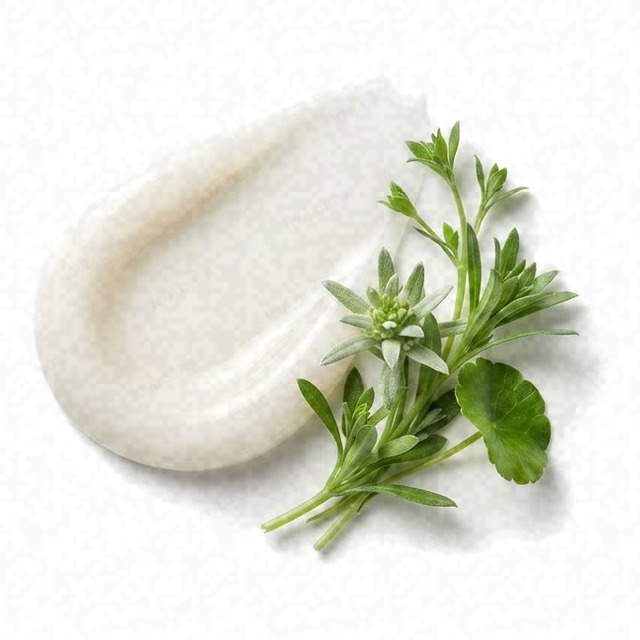 Plant Cells Stem
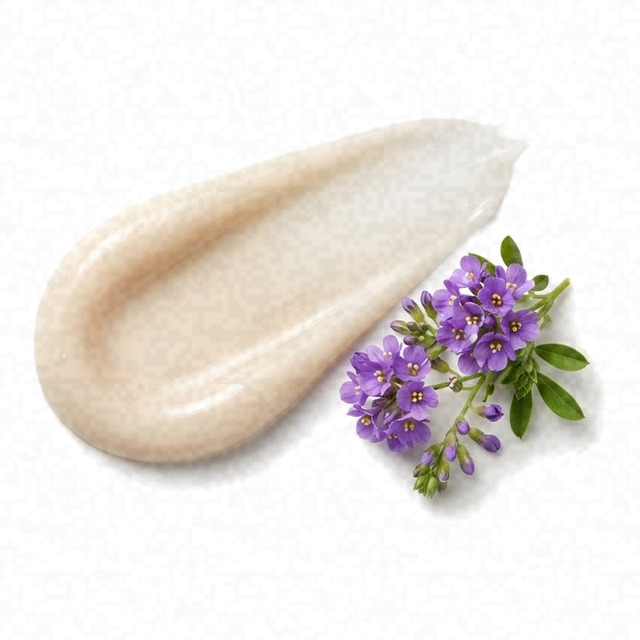 Bakuchiol
 Aloe Barbadensis Leaf Juice
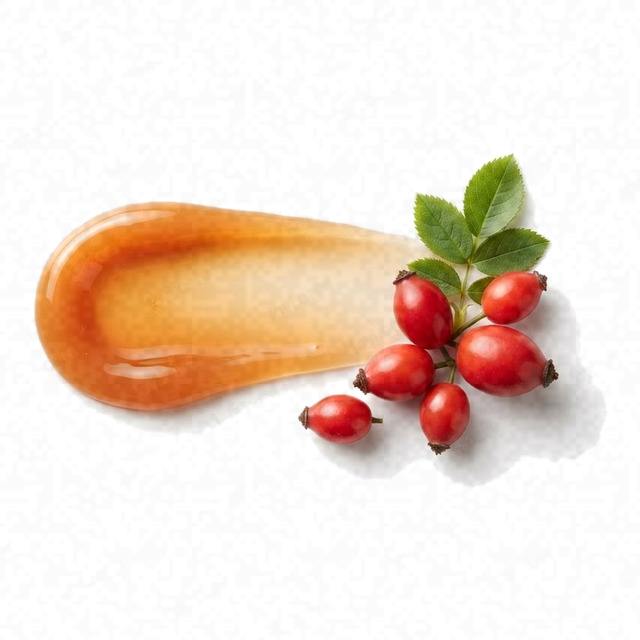 Rosa Canina Seed Oil
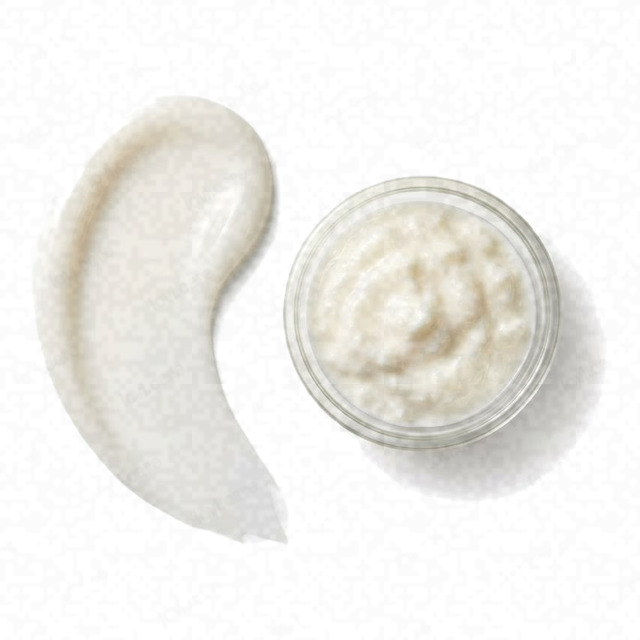 Lactobacillus Ferment
High
- HighOily Skin Fit
- HighEffectiveness
- ExcellentSafety
A great choice for oily skin; a few serums fit it even better.
This fit is calculated for the concerns frequently associated with oily skin: shine, enlarged pores, blackheads, and blemishes. For scores and recommendations based on your full skin profile, including your 12D face scan results and any goals or preferences you have, please use the Lovi app.
Page built Nov 8, 2026How the Fit score works
Lovi Assistant explains
- Highly suitable for your oily skin, this serum leverages bakuchiol for its retinoid-like benefits in smoothing texture and reducing fine lines, complemented by betaine to provide essential hydration without adding excess richness.
- Euterpe oleracea fruit extract further aids in managing oiliness and offers antioxidant support, aligning well with your goal of addressing oily shine.
- The formulation is safe for your skin, incorporating soothing ingredients like Aloe Barbadensis Leaf Juice and Rosa Canina Seed Oil, with no identified risks of irritation.
How to apply
- Use this serum in your PM routine. Start by applying it 3 times a week and build up to daily use if your skin tolerates it well.
- Apply the serum after cleansing and toning, but right before your moisturizer for the best results.
- Gently press 2-3 drops of the serum into your skin. Let it absorb ⏱ for a minute before applying the next product.
- Apply the serum on clean and dry skin since your skin is not sensitive and you want to target oily shine. This helps control excess oil throughout the night.
- Avoid the delicate eye area and do a patch test before using the serum for the very first time.
People Say
★4.7Overall rating based on 300+ reviewsThis serum is highly praised for its ability to improve skin texture, firmness, and the appearance of fine lines using bakuchiol and plant stem cells. While most users experience gentle, effective results, a small subset of individuals with sensitive or acne-prone skin may experience temporary redness or irritation.
Highlights
Gentle on skin Mostly Mentioned
- “No irritation or redness”
- “Perfect for sensitive skin”
- “Non-drying formula”
Effective anti-aging Often Mentioned
- “Reduced fine lines”
- “Skin looks firmer”
- “Visible plumping effect”
Smoother texture Often Mentioned
- “Skin feels soft”
- “Noticeably smoother surface”
- “Improved skin texture”
Dropper design Sometimes Noted
- “Dropper is tricky”
- “Serum is too thick”
- “Hard to dispense”
Price point Sometimes Noted
- “Expensive for the size”
- “High cost”
- “Investment product”
Potential irritation Rarely Noted
- “Caused red rash”
- “Skin reacted instantly”
- “Not for my sensitivity”
Sources: lovi.care, koraorganics.com, sephora.com.au, reddit.com, adorebeauty.com.au, whatsinmyjar.com, and more
Questions and answers
What makes KORA Organics Plant Stem Cell Retinol Alternative Serum a great fit for oily skin?
Which ingredients make this serum a good fit for oily skin?
This serum is a great fit for oily skin because it uses bakuchiol to smooth texture and reduce fine lines, betaine to provide hydration without extra richness, and euterpe oleracea fruit extract to help manage oiliness. Aloe barbadensis leaf juice and rosa canina seed oil are also included to keep your skin calm and comfortable.
What do Plant Stem Cells do for oily skin?
Plant stem cells help keep oily skin balanced by supporting hydration without adding heavy oils. They are typically found in lightweight fluids that keep the face feeling fresh and smooth all day.
What does Bakuchiol do for oily skin?
Bakuchiol helps balance oily skin by regulating sebum production and reducing inflammation with a very low likelihood of irritation. This type of skin needs ingredients that provide antibacterial and anti-inflammatory benefits to help control breakouts and keep pores clear.
Clinical, Cosmetic and Investigational Dermatology, 2016Journal of Cosmetic Dermatology, 2022
Where does this serum go in a skincare routine for oily skin?
This serum goes in the evening routine after cleansing and before moisturizing, which keeps things simple and safe around sun exposure. Bakuchiol and other active ingredients in this step help smooth texture and manage oiliness without adding heavy richness.
Can I use this serum with vitamin C, and in what order?
You can use this serum with vitamin C by applying the vitamin C first in the morning and saving this treatment for the evening routine. This helps keep your oily skin smooth and bright while avoiding potential irritation from layering too many active ingredients at once.
How often should I use this serum?
This serum is used in the evening routine. Treatments like this are placed at night for simplicity and extra safety around sun exposure, though some may also be used in the morning or twice a day.
Can this serum clog pores, cause breakouts or purging for oily skin?
This serum is unlikely to clog pores, cause breakouts, or lead to purging on oily skin, as it uses lightweight hydration like betaine and soothing aloe instead of heavy oils that trigger shine. Bakuchiol provides smoothing and anti-aging benefits similar to traditional retinoids without the severe irritation or purging often seen with them.
Is this serum fragrance-free and alcohol-free?
It has no drying alcohol and contains fragrance (geraniol, limonene, linalool, farnesol, and citronellol).
What the research says
Topical bakuchiol 0.5% applied twice daily compared with retinol 0.5% applied daily significantly decreased wrinkle surface area and hyperpigmentation with no statistical difference between the compounds in 44 patients over 12 weeks, while retinol users reported more facial skin scaling and stinging.
The British Journal of Dermatology, 2019A combination of Aloe barbadensis leaf extract and trimethylglycine in a 1:1 mass ratio synergistically increased aquaporin 3 expression by up to 380% in keratinocytes and safely improved skin hydration in healthy volunteers.
Molecules, 2024A dermocosmetic containing bakuchiol, Ginkgo biloba extract, and mannitol improves inflammatory lesions, Investigator Global Assessment, and seborrhea intensity when added to adapalene 0.1% gel in patients with acne vulgaris.
Clinical, Cosmetic and Investigational Dermatology, 2015Topical application of a serum containing supramolecular Bakuchiol and Terminalia chebula extract significantly improved barrier function, reduced redness and sensitivity, and improved wrinkles and elasticity in 34 Chinese subjects with sensitive skin after 28 days.
Health Science Reports, 2025Bakuchiol functions as an anti-aging compound through retinol-like regulation of gene expression, producing significant improvements in lines, wrinkles, pigmentation, elasticity, firmness, and photo-damage after 12 weeks of twice-a-day facial application without usual retinol therapy-associated undesirable effects.
International Journal of Cosmetic Science, 2014A cream combining propolis, tea tree oil, and Aloe vera reduced erythema scars, acne severity index, and total lesion count better than erythromycin cream in sixty patients with mild to moderate acne vulgaris compared to placebo.
Clinical Pharmacology, 2018Topical aloe vera gel significantly accelerated split-thickness skin graft donor-site healing compared to placebo in 12 patients, but showed no significant difference in pain relief.
Plastic and Reconstructive Surgery, 2018Topical application of Aloe vera cream reduced postoperative pain at rest and during defecation, accelerated wound healing at two weeks, and decreased analgesic requirements in patients after open hemorrhoidectomy compared to placebo.
Journal of Alternative and Complementary Medicine, 2010Topical treatments containing rosehip extract may reduce the size and erythema of postsurgical scars through macrophage polarization and inflammatory cytokine inhibition, though current clinical evidence remains insufficient to recommend its routine use.
Journal of Cosmetic Dermatology, 2024Sunflower and rosehip oil nanoemulsions prepared with a mix of phospholipids and synthetic emulsifiers permeated intact skin to the dermis and showed a more prominent healing effect in a human organotypic skin explant culture wound model compared to nanoemulsions prepared only with phospholipids.
Pharmaceutics, 2023A nanoemulsion containing 1 mg/mL kojic dipalmitate and 5% rosehip oil demonstrated high incorporation efficiency, suitable physicochemical stability, antioxidant and depigmenting efficacy close to 1 mM ascorbic acid, and no cytotoxicity at concentrations from 0.06% to 1% in vitro.
Pharmaceutics, 2023Probiotic-derived lotion successfully reduced inflammatory acne lesion counts and erythema index comparably to 2.5% benzoyl peroxide in patients with mild-to-moderate acne vulgaris, while causing fewer side effects.
Journal of Cosmetic Dermatology, 2022Topical application of Lactobacillus plantarum-GMNL6 enhanced collagen synthesis and SPTSSA gene expression while reducing melanin synthesis, Staphylococcus aureus biofilm, and Cutibacterium acnes proliferation, leading to clinical improvements in skin moisture, color, spots, wrinkles, UV spots, and porphyrins in human volunteers.
International Journal of Medical Sciences, 2021Lactobacillus plantarum extracellular vesicles modulated extracellular matrix related gene expression in vitro and suppressed wrinkle formation and pigmentation in clinical trials.
Current Issues in Molecular Biology, 2022
Ingredients
Aloe Barbadensis Leaf Juice, Water, Glycerin, Rosa Canina Seed Oil, Isoamyl Laurate, Helianthus Annuus Seed Oil, Betaine, Euterpe Oleracea Fruit Extract, Cetearyl Olivate, Sorbitan Olivate, Lactobacillus Ferment, Bakuchiol, Xylityl Sesquicaprylate, Lysolecithin, Sclerotium Gum, Lactobacillus, Citric Acid, Potassium Sorbate, Medicago Sativa Extract, Pullulan, Xanthan Gum, Anhydroxylitol, Morinda Citrifolia Fruit Extract, Citrus Aurantium Amara Oil, Coconut Fruit Extract, Pelargonium Graveolens Oil, Silica, Tocopherol, Sodium Benzoate, Beta-Sitosterol, Squalene, Sodium Hydroxide, Geraniol, Limonene, Linalool, Farnesol, Citronellol
Behind this fit score
Lovi calculates every fit score from the full ingredient list with brand-independent rules our dermatologists and cosmetic chemists build and review, and personalizes every pick with AI trained on the real results of millions of users. Lovi trains its fit score models on a proprietary dataset built from more than 10,000 expert-labeled products and more than 100,000 simulated examples, following an internally consistent methodology presented at Cosmoprof, AMWC, and Skin of Color Update.
-

Co-founder, Medical Director
Cosmetic chemist, cosmetologist, aesthetic products developer
-

Co-founder, CEO and CTO
PhD in computer science, 3x US patent holder, ex-Google, ex-Yandex
-

Dr. Sofía Perea Pérez, MD, MSc
Medical Board
Aesthetic medicine practitioner, MSc in Longevity and Anti-Aging Medicine
-

Medical Board
Specialist dermatologist, MBBS, MD, IFAAD
-

Medical Board
Cosmetic chemist, SCS, IFSCC member
-

Medical Board, Medical Advisor
Dermatology MD
-

Elina Nazarenko, MD
Medical Board
Dermatology and diagnostic consultant
-

Victoria Derkova, MS
Medical Board
Cosmetic chemist, cosmetic development technologist


How does it fit your skin?
Scan your face, then any product: Lovi shows how well it fits you and what fits even better.