Kate Somerville ExfoliKate Glow Moisturizer for combination skin

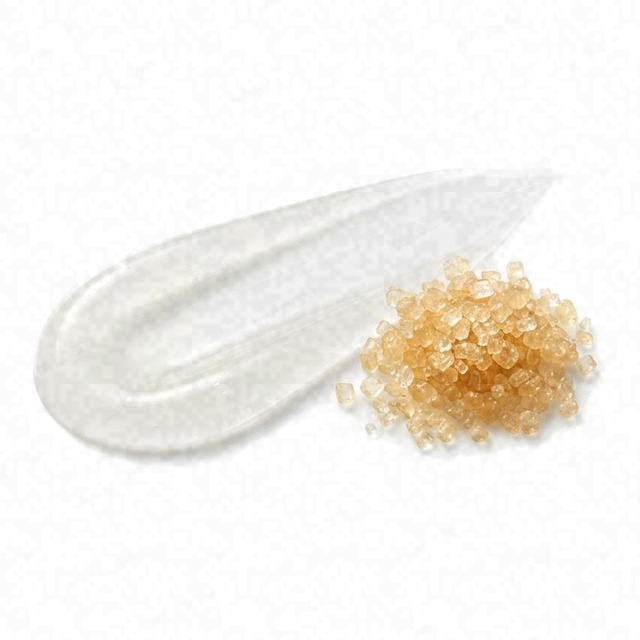 Glycolic Acid
 Lactic Acid
 Squalane
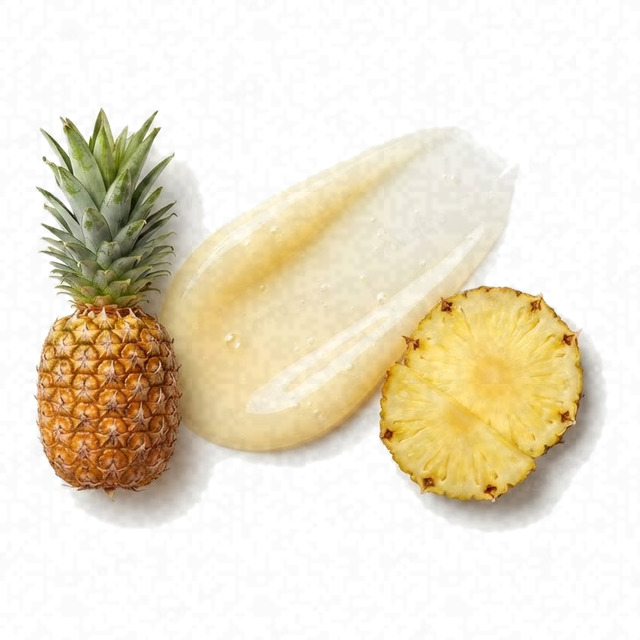 Bromelain
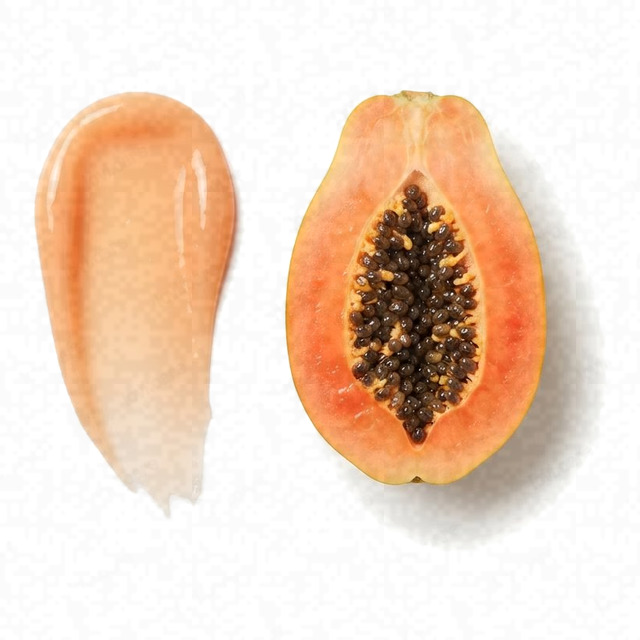 Papain
High
- SuperiorCombination Skin Fit
- HighEffectiveness
- HighSafety
A great choice for combination skin; a few moisturizers fit it even better.
This fit is calculated for the concerns frequently associated with combination skin: an oily T-zone, enlarged pores, and dry cheeks. For scores and recommendations based on your full skin profile, including your 12D face scan results and any goals or preferences you have, please use the Lovi app.
Page built Nov 8, 2026How the Fit score works
Lovi Assistant explains
- Offers moderate exfoliation for your oily shine and combination skin, as lactic acid and glycolic acid provide resurfacing benefits while Lactobacillus Pumpkin Fruit Ferment Filtrate and papain regulate desquamation.
- The formula provides excellent moisturizing and smoothing of skin texture due to the presence of these exfoliating acids and bromelain.
- This product is safe for your combination skin with no risks of irritation due to the absence of prohibited or harsh ingredients.
How to apply
- Use this moisturizer in your AM and PM routine every day to control shine. Always pair with SPF in the morning.
- Apply this moisturizer after your cleanser and toner, right before your morning SPF.
- Gently press a small amount of the moisturizer into your skin and avoid harsh rubbing. Let it ⏳absorb for a minute.
- Apply the moisturizer on slightly damp skin to help it lock in moisture better. This keeps your combination skin balanced.
- Avoid the eye area when applying the moisturizer. Do a patch test before your first use.
People Say
★4.6Overall rating based on 2.8k+ reviewsBased on a very large amount of data, users with dull or uneven skin tone frequently praise this moisturizer for delivering an immediate glow and smoother texture through gentle chemical exfoliation. While highly effective for boosting radiance, those with very dry or sensitive skin sometimes find it insufficiently hydrating for winter months or slightly irritating due to the active ingredients.
Highlights
Instant glow Mostly Mentioned
- “gives such a great glow”
- “skin went from dull to glowing”
- “unrivaled radiance”
- “makeup looks glowy”
Smoother skin Often Mentioned
- “baby smooth skin”
- “improvement in texture”
- “sloughing away dead cells”
- “skin felt smoother after one week”
Gentle exfoliation Sometimes Noted
- “gentle AHAs”
- “doesn't irritate my skin”
- “perfect level of exfoliation”
- “great alternative to scrubs”
Pleasant scent Sometimes Noted
- “smells fresh”
- “light citrusy scent”
- “smells like a spa”
- “scent gives a brightening feel”
High price point Sometimes Noted
- “pretty pricey”
- “expensive for a moisturizer”
- “wouldn't pay full price”
- “wait for a sale”
Insufficient hydration Sometimes Noted
- “not quite enough for winter”
- “need to use another moisturizer”
- “too light for me”
- “dry skin needs more”
Sensitivity & tingling Rarely Noted
- “tingles a little bit”
- “caused redness”
- “burning sensation”
- “avoid if barrier is damaged”
Texture & absorption Rarely Noted
- “sticky/tacky finish”
- “takes a while to soak in”
- “weird green color”
- “feels like a film”
Sources: lovi.care, katesomerville.com, influenster.com, cultbeauty.co.uk, spacenk.com, ulta.com, and more
Questions and answers
What makes ExfoliKate Glow Moisturizer a great fit for combination skin?
This moisturizer is a great fit because it offers moderate exfoliation that helps control oily shine while smoothing your skin texture. It is also safe for your combination skin and is unlikely to cause irritation.
Which ingredients make this moisturizer a good fit for combination skin?
This moisturizer is a great fit for your combination skin because lactic acid and glycolic acid help smooth oily shine and texture, while squalane provides essential moisture. It is unlikely to cause irritation due to the absence of harsh ingredients.
What does Glycolic Acid do for combination skin?
Glycolic acid helps smooth and brighten combination skin by gently loosening dead surface cells to speed up skin renewal. This ingredient is unlikely to cause irritation when used properly, but it needs a reliable sunscreen during the day since it makes skin more sensitive to the sun.
Acta Dermato-venereologica, 1995Archives of Dermatological Research, 1997
What does Lactic Acid do for combination skin?
Lactic acid helps balance combination skin by gently removing dead surface cells and managing oil while keeping moisture locked in. It is unlikely to cause irritation when used properly, and instead supports a smooth, clear, and well-hydrated complexion across both oily and dry areas. This type of skin needs ingredients that gently clear pores without stripping natural moisture, such as balanced hydrators and mild exfoliants.
Frontiers in Physiology, 2026Clinical, Cosmetic and Investigational Dermatology, 2024
Where does this cream go in a skincare routine for combination skin?
This cream goes in the evening routine as a treatment step after cleansing and before your final moisturizer, or as a daytime moisturizer if your skin tolerates it well. Glycolic acid, lactic acid, and squalane help smooth texture and manage oily shine while keeping skin comfortable.
Can I use this moisturizer with retinol, and in what order?
You can use this moisturizer with retinol by applying the retinol first, letting it absorb, and then following with this moisturizer. This routine helps smooth your skin texture while keeping irritation low.
How often should I use this cream?
Start by using this cream once a week, and if your combination skin tolerates it well and shows good results, you can carefully use it more often. This gentle approach helps your skin adjust to the exfoliating acids while keeping your oily shine balanced and smooth.
Can it clog pores, cause breakouts or purging for combination skin?
This moisturizer is a great fit for combination skin because it offers moderate exfoliation that helps keep oily shine under control without harsh ingredients. It is unlikely to cause irritation, though a slight tingling may occasionally happen as the acids smooth your skin texture.
Can I use this moisturizer around the eyes or on my body?
This moisturizer is generally safe for your combination skin, but the thin skin around the eyes and certain body areas may require extra care due to potent exfoliating acids. When applying products with resurfacing ingredients near sensitive zones, it is best to check for mild irritation and use caution.
Is this cream fragrance-free and alcohol-free?
It has no drying alcohol and contains fragrance (citronellol, citral, limonene, linalool, and geraniol). Myristyl alcohol is a fatty alcohol, which soften the skin.
What the research says
A fixed combination of hydroxypinacolone retinoate, retinol glycospheres, and papain glycospheres in aqueous gel applied once daily for 12 weeks achieved a 41% mean reduction in GAGS score and a 40.8% mean reduction in total lesions, with 15.3% of patients experiencing mild to moderate local side effects, in 94 evaluable patients with comedonal-papular, mild to moderate acne of the face.
Giornale Italiano Di Dermatologia E Venereologia, 2015Repeated short-contact 70% glycolic acid peels provided superior results in atrophic acne scars compared to daily low-strength glycolic acid cream or placebo in 58 women over 24 weeks.
International Journal of Dermatology, 2000Serial glycolic acid peels combined with a modified Kligman formula significantly reduced facial PIH severity in Indian patients compared to the modified Kligman formula alone.
Dermatologic Surgery, 2017Application of a cream containing lactic acid 12% and pramoxine HCl 1% significantly improved skin dryness, hydration, and itch compared with a nontreated control in 24 women with a history of dry itchy skin.
Cutis, 2004Topical 12% ammonium lactate produced a significant sparing of epidermal and dermal atrophy induced by clobetasol propionate in human volunteers, without influencing the corticosteroid's bioavailability or antiinflammatory properties.
Journal of the American Academy of Dermatology, 1992A lactic acid/ceramide lotion significantly improved skin moisturization and desquamation compared to no treatment in women with dry, rough skin on the anterior shins.
The Journal of Clinical and Aesthetic Dermatology, 2020Squalane at 0.005-0.015% counteracts UVA-induced oxidative stress, inflammation, and collagen metabolism inhibition while stimulating fibroblast migration in human dermal fibroblasts.
Molecules, 2025Plant-derived squalane protected human dermal fibroblasts against UVA-induced damage by counteracting ROS formation, suppressing apoptosis-related proteins p53, caspase-3, caspase-9, and PARP, and restoring the pro-survival p-Akt/mTOR pathway.
Antioxidants, 2025Oral bromelain slightly reduced pain compared to controls (mean difference -0.27) and topical bromelain reduced time to complete debridement by 6.89 days, with no major health risks reported.
Nutrition and Health, 2023An upcycled pineapple leaf fibre crosspolymer forms a physical barrier that protects against environmental aggressors while providing antioxidant, anti-inflammatory, antipollution, UV protection, hydration, and hair benefits.
International Journal of Cosmetic Science, 2026A coaxial electrospun core-shell nanofiber scaffold delivering bromelain and salvianolic acid B demonstrated sustained drug release, in vitro endothelial cell migration, increased capillary formation in an in ovo assay, and in vivo efficacy for skin regeneration and wound healing.
Biomedical Materials, 2017Topical papain treatment may slightly decrease pain within 30 minutes in humans stung by Chrysaora chinensis compared to placebo.
Wilderness & Environmental Medicine, 2016Reflux extraction of Carica papaya leaves yielded higher antioxidant capacity and superior in vitro wound-healing activities including fibroblast proliferation, cell migration, and collagen synthesis in human skin fibroblasts compared to ultrasonic-assisted extraction and agitation.
Molecules, 2020Carica papaya leaf extracts obtained via supercritical fluid and conventional methods demonstrated antioxidant and cytoprotective effects on skin fibroblasts against oxidative stress, driven by their respective lipophilic and hydrophilic constituents.
Molecules, 2021
Ingredients
Water, Cetyl Ricinoleate, Isostearyl Palmitate, Dimethicone, Squalane, Lactic Acid, Glyceryl Stearate, Peg-100 Stearate, Propanediol, Glycolic Acid, Myristyl Alcohol, Cyclopentasiloxane, Sodium Hydroxide, Lactobacillus Pumpkin Fruit Ferment Filtrate, Leuconostoc Radish Root Ferment Filtrate, Bromelain, Papain, Opuntia Ficus-Indica Fruit Extract, Glycerin, Yeast Extract, Polysilicone-11, Bergamot Oil Fruit, Rosewood Extract Wood, Citrus Aurantium Dulcis Peel Oil, Geranium Oil, Tocopheryl Acetate, Phenoxyethanol, Polyacrylate Crosspolymer-6, Myristyl Glucoside, Cyclohexasiloxane, Peg-40 Stearate, Xanthan Gum, Ethylhexylglycerin, Disodium Edta, Maltodextrin, Chlorophyllin-Copper Complex, T-Butyl Alcohol, Citronellol, Benzyl Benzoate, Citral, Limonene, Linalool, Geraniol
Behind this fit score
Lovi calculates every fit score from the full ingredient list with brand-independent rules our dermatologists and cosmetic chemists build and review, and personalizes every pick with AI trained on the real results of millions of users. Lovi trains its fit score models on a proprietary dataset built from more than 10,000 expert-labeled products and more than 100,000 simulated examples, following an internally consistent methodology presented at Cosmoprof, AMWC, and Skin of Color Update.
-

Co-founder, Medical Director
Cosmetic chemist, cosmetologist, aesthetic products developer
-

Co-founder, CEO and CTO
PhD in computer science, 3x US patent holder, ex-Google, ex-Yandex
-

Dr. Sofía Perea Pérez, MD, MSc
Medical Board
Aesthetic medicine practitioner, MSc in Longevity and Anti-Aging Medicine
-

Medical Board
Specialist dermatologist, MBBS, MD, IFAAD
-

Medical Board
Cosmetic chemist, SCS, IFSCC member
-

Medical Board, Medical Advisor
Dermatology MD
-

Elina Nazarenko, MD
Medical Board
Dermatology and diagnostic consultant
-

Victoria Derkova, MS
Medical Board
Cosmetic chemist, cosmetic development technologist


How does it fit your skin?
Scan your face, then any product: Lovi shows how well it fits you and what fits even better.