innisfree Tone Up No Sebum Sunscreen EX for acne-prone skin

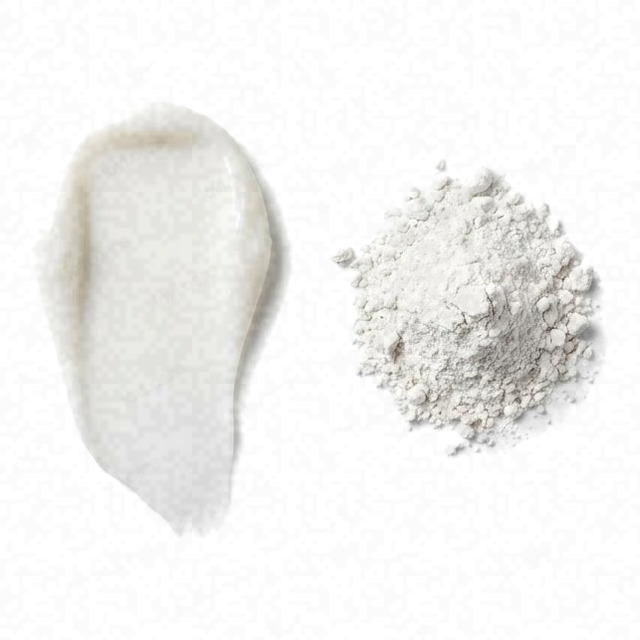 Zinc Oxide
 Sodium Hyaluronate
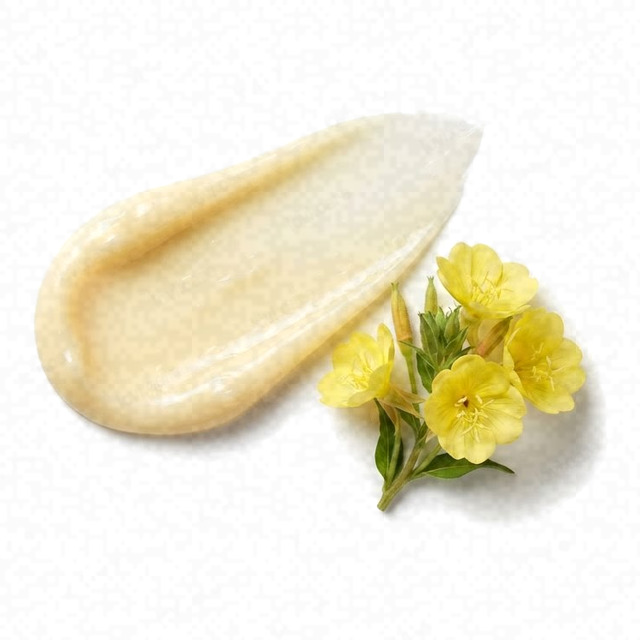 Oenothera Biennis Flower Extract
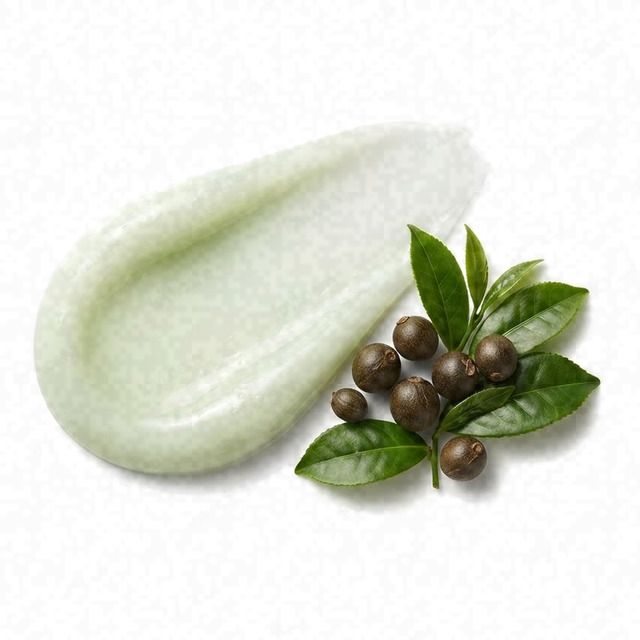 Camellia Sinensis Seed Oil
 Tocopherol Vitamin E
High
- HighCombination Skin Fit
- HighEffectiveness
- HighSafety
A great choice for acne-prone skin; a few products fit it even better.
This fit is calculated for the concerns frequently associated with acne-prone skin: breakouts, blackheads, and post-acne marks. For scores and recommendations based on your full skin profile, including your 12D face scan results and any goals or preferences you have, please use the Lovi app.
Page built Nov 8, 2026How the Fit score works
Lovi Assistant explains
- This sunscreen offers high protection against UV rays due to zinc oxide and titanium dioxide, which also provide anti-inflammatory and sebum-regulating benefits suitable for your combination skin and acne concerns.
- The inclusion of Pueraria Lobata Root Extract and Epilobium Fleischeri Extract further supports soothing and anti-inflammatory actions, complementing the primary benefits for your skin.
- The formulation is safe for your combination skin, with no harsh ingredients that could cause irritation.
People Say
★3.8Overall rating based on 100+ reviewsBased on limited data, this physical sunscreen is highly praised for its exceptional oil control and matte finish, making it a favorite for oily and acne-prone skin types. It also offers a brightening tone-up effect and long-lasting wear. However, a significant white cast and drying texture are frequently noted, making it less suitable for dry skin or darker complexions.
Highlights
Excellent oil control Mostly Mentioned
- “keeps shine under control all summer”
- “my T zone is basically a mirror... this helps”
- “leaves skin feeling smooth and matte”
Strong white cast Mostly Mentioned
- “look like an understudy for a bad Dracula movie”
- “looked like a clown”
- “leaves a white layer on your face”
Brightening tone-up Often Mentioned
- “makes bare skin look luminous”
- “covers blemishes and redness”
- “natural tone-up effect”
Drying formula Often Mentioned
- “face felt so parched and tight”
- “clings to patches of dry skin”
- “felt way too dry and stiff”
Long-lasting wear Sometimes Noted
- “stays on all day without oxidizing”
- “lasts for 24 hours”
- “handles everything you throw at it”
Skin friendly Sometimes Noted
- “never broken me out”
- “doesn't sting my eyes”
- “good for acne-prone skin”
Texture issues Sometimes Noted
- “doesn't absorb well”
- “pore clogging”
- “rubbing it causes pilling”
Fragrance Rarely Noted
- “strong floral fragrance”
- “heavily fragranced”
- “smell causes a lil headache”
Sources: lovi.care, yesstyle.com, stylevana.com, skinsort.com, reddit.com, nykaa.com, and more
Questions and answers
What makes Innisfree Tone Up No Sebum Sunscreen EX a great fit for acne-prone skin?
This sunscreen is a great fit because zinc oxide and titanium dioxide help calm redness and keep oil in check for acne-prone skin. It also includes soothing plant extracts that are very safe and unlikely to cause irritation.
Which ingredients make this sunscreen a good fit for acne-prone skin?
This sunscreen is a great fit for acne-prone skin because it contains zinc oxide and titanium dioxide, which help calm redness and control oil. Ingredients like Pueraria Lobata Root Extract and Epilobium Fleischeri Extract further support soothing actions to keep your skin comfortable and clear.
What does Zinc Oxide do for acne-prone skin?
Zinc oxide helps calm acne-prone skin by reducing breakouts, redness, and the bacteria linked to pimples. Studies show that using it on your skin is generally safe and unlikely to cause irritation.
What does Hyaluronic Acid do for acne-prone skin?
Hyaluronic acid helps acne-prone skin by soothing irritation, calming redness, and keeping the skin balanced without clogging pores. When combined with targeted ingredients like zinc oxide, it may also help reduce breakouts.
Where does this sunscreen go in a skincare routine for acne-prone skin?
This sunscreen goes as the last step in your morning skincare routine, right after your moisturizer. It is a great fit for your acne-prone skin because it offers high UV protection alongside soothing and oil-balancing ingredients that are unlikely to cause irritation.
Journal of Drugs in Dermatology, 2023Journal of Controlled Release, 2025
Can I use this sunscreen with retinol, and in what order?
You can use this sunscreen in the morning as the final step after applying your moisturizer, making sure to use it alongside your evening retinol routine. This sunscreen is a great fit for acne-prone skin because zinc oxide and plant extracts help calm redness and control oil without causing irritation.
How often should I use this sunscreen?
You can use this sunscreen every morning as the final step of your daytime routine to protect your skin from UV rays. It is well-suited for acne-prone skin because its ingredients help calm irritation and control oil.
Journal of Drugs in Dermatology, 2023Journal of Controlled Release, 2025
Can this sunscreen clog pores, cause breakouts or purging for acne-prone skin?
This sunscreen is a great fit and is unlikely to clog pores or cause breakouts for acne-prone skin, thanks to zinc oxide and titanium dioxide which help calm redness and keep oil under control. The formula is designed to be gentle and safe without harsh ingredients that could cause irritation or trigger new blemishes.
Is this sunscreen fragrance-free and alcohol-free?
It has no drying alcohol and contains fragrance (parfum).
What the research says
Biomimetic hyaluronic acid-stabilized zinc oxide nanoparticles selectively inhibited C. acnes, outperformed erythromycin in preclinical acne models, and safely reduced acne lesions and redness in a clinical trial.
Journal of Controlled Release, 2025Topical 0.5% hyaluronic-ZnO nanogel applied twice daily reduced inflammatory-lesion counts by 58% at week four in human subjects compared to baseline without causing erythema.
Biomedicines, 2025Lithospermum erythrorhizon and Pueraria lobata extracts scavenge free radicals, diminish ROS production, attenuate MMP-1 and MMP-3 expression, foster procollagen type I synthesis, and mitigate pro-inflammatory cytokine release in UVB-irradiated human skin keratinocytes.
Photodermatology, Photoimmunology & Photomedicine, 2024Puerarin-loaded poly(l-lactic acid) electrospun patches provided sustained drug release, good biocompatibility, low cytotoxicity, and demonstrated anti-inflammatory and pro-collagen synthesis properties in H2O2-stimulated mouse fibroblasts and rat abdominal wall muscle defects.
Advanced Science, 2024Nels cream achieved a similar reduction in inflammatory and noninflammatory lesion counts compared to 5% benzoyl peroxide in acne vulgaris patients, but caused significantly fewer side-effects such as peeling and dryness.
Clinical and Experimental Dermatology, 2000Topically applied coated and uncoated zinc oxide nanoparticles under flexing and massage are retained in the stratum corneum with no significant penetration into the viable epidermis and no cellular toxicity in human skin.
Nanomedicine, 2016Topical application of 0.1% hyaluronic acid formulations of different molecular weights led to significant improvements in skin hydration and elasticity, with low-molecular-weight formulations also significantly reducing wrinkle depth in seventy-six female subjects compared to a vehicle control.
Journal of Drugs in Dermatology, 2011Topical application of hyaluronic acid in conjunction with free gingival graft significantly reduced donor site postoperative pain until day 7 compared to normal saline, with no significant differences in graft dimensions or patient satisfaction.
Clinical Oral Investigations, 2022Treatment with a hyaluronic acid-containing mouth rinse or topical gel led to significant lesion reduction, pain relief, and normalization of lesion color in adult patients with minor recurrent aphthous stomatitis, with the gel formulation showing an earlier healing onset at 3 days.
BMC Oral Health, 2019Electrospun poly (vinyl butyral-co-vinyl alcohol-co-vinyl acetate) patches loaded with evening primrose oil applied to the forearm of volunteers for 6 hours increased skin moisture, with pore size, shape, and fiber diameter influencing oil transport.
Biomaterials Advances, 2022A topical preparation containing urea, sunflower oil, evening primrose oil, wheat germ oil, and sodium pyruvate led to clinical improvement after a month in diverse hyperkeratotic skin conditions except pityriasis lichenoides.
Medicina Cutanea Ibero-latino-americana, 1986Oenothera biennis cell culture aqueous extract promoted matrix collagen contraction, actin polymerization, and essential extracellular matrix protein production by increasing MYLK gene expression in in vitro, cell, and ex vivo skin aging models.
Metabolites, 2021Tea seed oil makeup remover successfully removed foundation and eyeliner without causing skin irritation in 20 human volunteers, with the 60% formulation showing superior foundation removal compared to other formulations and an olive oil benchmark.
Annales Pharmaceutiques Francaises, 2017Tea seed oil loaded nanostructured lipid carriers prepared with a combination of surfactants (NLC-C) showed significantly greater nontoxicity and hair growth-stimulating effects on human follicle dermal papilla cells compared to intact oil, while improving the sensory and diffusion properties of the hair serum.
Pharmaceutics, 2022Topical application of an antioxidant serum containing 15% ascorbic acid, 0.5% ferulic acid, and 1% tocopherol prevented particulate matter-induced degradation of extracellular matrix components, inflammation, and oxidative stress in the skin of 15 female volunteers compared to untreated controls.
Journal of Cosmetic Dermatology, 2025Dermatological products containing d-alpha tocopheryl acetate showed non-comedogenic potential with less than a 50% increase in microcomedones in 12 healthy male subjects compared to octyl palmitate.
Contemporary Clinical Trials Communications, 2021Topical application of an antioxidant mix containing 15% ascorbic acid, 0.5% ferulic acid, and 1% tocopherol prevented PM and UV-induced skin barrier perturbation, lipid peroxidation, inflammatory markers, MMP9 activation, and Type I collagen loss in 15 healthy females compared to untreated exposed skin.
Journal of Cosmetic Dermatology, 2024
Ingredients
Water, Zinc Oxide, Cyclohexasiloxane, Propanediol, Butyloctyl Salicylate, Butylene Glycol Dicaprylate Dicaprate, Disiloxane, Methyl Methacrylate Crosspolymer, Caprylyl Methicone, Polyglyceryl-3 Polydimethylsiloxyethyl Dimethicone, Titanium Dioxide Ci 77891, Polypropylsilsesquioxane, Calcium Aluminum Borosilicate, Polymethylsilsesquioxane, Sodium Acrylates Crosspolymer-2, Disteardimonium Hectorite, Magnesium Sulfate, Triethoxycaprylylsilane, 1,2-Hexanediol, Polyglyceryl-2 Dipolyhydroxystearate, Dimethicone Vinyl Dimethicone Crosspolymer, Butylene Glycol, Parfum, Dicaprylyl Carbonate, Caprylyl Glycol, Glyceryl Caprylate, Mica, Iron Oxides Ci 77492, Ethylhexylglycerin, Iron Oxides Ci 77491, Sodium Hyaluronate, Pueraria Lobata Root Extract, Ulmus Davidiana Root Extract, Oenothera Biennis Flower Extract, Pinus Palustris Leaf Extract, Iron Oxides Ci 77499, Tocopherol, Jojoba Seed Oil, Camellia Sinensis Seed Oil, Glycerin, Epilobium Fleischeri Extract, Citric Acid, Potassium Sorbate
Behind this fit score
Lovi calculates every fit score from the full ingredient list with brand-independent rules our dermatologists and cosmetic chemists build and review, and personalizes every pick with AI trained on the real results of millions of users. Lovi trains its fit score models on a proprietary dataset built from more than 10,000 expert-labeled products and more than 100,000 simulated examples, following an internally consistent methodology presented at Cosmoprof, AMWC, and Skin of Color Update.
-

Co-founder, Medical Director
Cosmetic chemist, cosmetologist, aesthetic products developer
-

Co-founder, CEO and CTO
PhD in computer science, 3x US patent holder, ex-Google, ex-Yandex
-

Dr. Sofía Perea Pérez, MD, MSc
Medical Board
Aesthetic medicine practitioner, MSc in Longevity and Anti-Aging Medicine
-

Medical Board
Specialist dermatologist, MBBS, MD, IFAAD
-

Medical Board
Cosmetic chemist, SCS, IFSCC member
-

Medical Board, Medical Advisor
Dermatology MD
-

Elina Nazarenko, MD
Medical Board
Dermatology and diagnostic consultant
-

Victoria Derkova, MS
Medical Board
Cosmetic chemist, cosmetic development technologist


How does it fit your skin?
Scan your face, then any product: Lovi shows how well it fits you and what fits even better.