innisfree Super Volcanic Clay Mousse Mask 2X for acne-prone skin

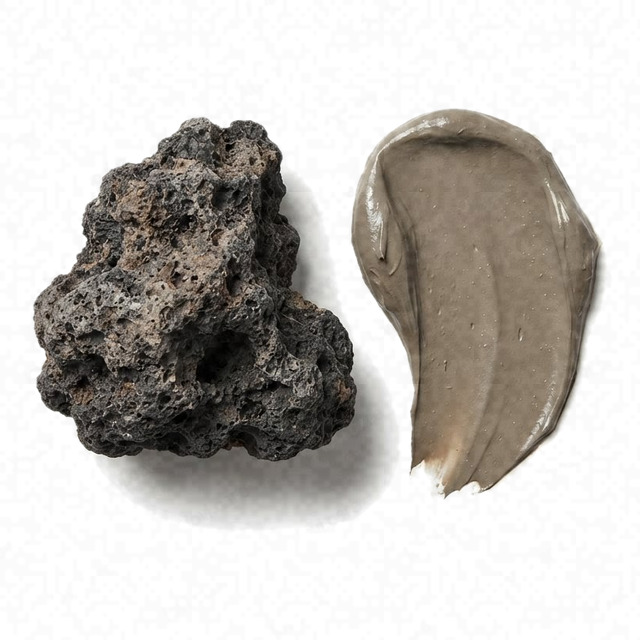 Super Volcanic Clay
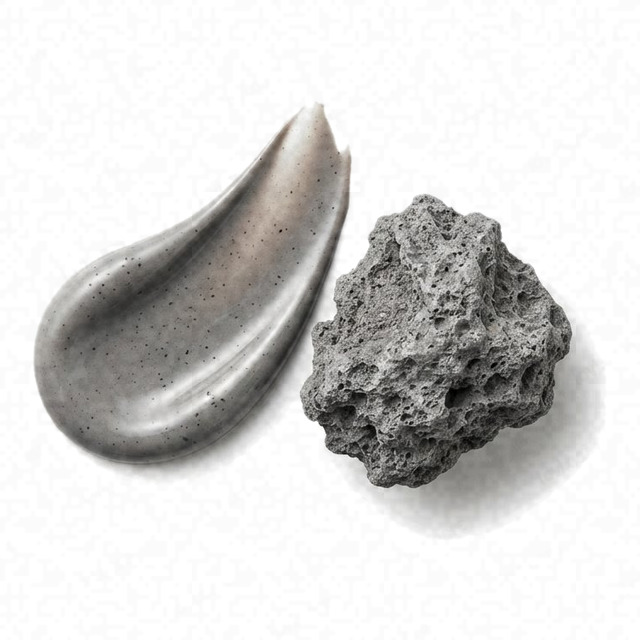 Volcanic Ash
 Salicylic Acid
 Glycerin
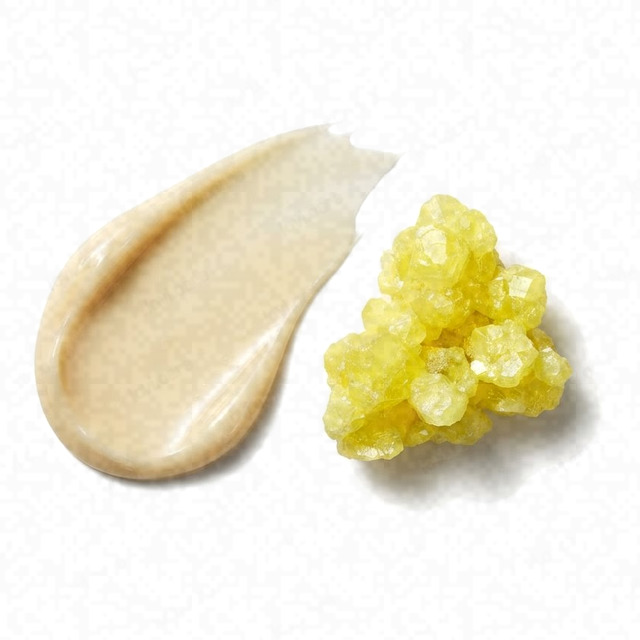 Colloidal Sulfur
Average
- HighCombination Skin Fit
- AverageEffectiveness
- HighSafety
Works for acne-prone skin; other cleansing masks fit it better.
This fit is calculated for the concerns frequently associated with acne-prone skin: breakouts, blackheads, and post-acne marks. For scores and recommendations based on your full skin profile, including your 12D face scan results and any goals or preferences you have, please use the Lovi app.
Page built Nov 8, 2026How the Fit score works
Lovi Assistant explains
- Offers moderate pore-refining benefits for your combination skin, as Kaolin and Volcanic Ash help to decongest pores, while salicylic acid and lactic acid provide keratolytic action.
- While the formula is safe and free from harsh ingredients, it lacks targeted treatments for significant acne resolution, offering general cleansing instead.
- The product is safe for your acne-prone skin with no risks of irritation.
How to apply
- Use this cleansing mask during your PM weekly routine. Start 1x/week and increase if your skin tolerates it well.
- Apply this cleansing mask after using your pre-cleanser and cleanser , and before your hydrating toner.
- Spread an even layer of the cleansing mask over your face , avoiding any rubbing to protect your skin.
- Apply the cleansing mask to clean and dry skin to help clear up your blemishes effectively.
- Avoid the eye area and do a patch test before your first use.
People Say
★4.2Overall rating based on 100+ reviewsBased on limited data, users with oily and combination skin appreciate this mask's airy mousse texture for its easy application and effective pore-clearing and oil-controlling properties without causing excessive tightness. However, the pump packaging is frequently criticized for clogging and dispensing issues, leading to product waste.
Highlights
Easy application Mostly Mentioned
- “spreads like butter”
- “much easier than the jar”
- “glides on smooth”
- “no spatula needed”
Clears pores Often Mentioned
- “pores look smaller”
- “sucks up oil”
- “skin feels detoxed”
- “blackheads reduced”
Clogged pump nozzle Often Mentioned
- “nozzle gets blocked”
- “clay hardens in tip”
- “messy cap”
- “hard to keep clean”
Difficult to control Often Mentioned
- “squirts out too much”
- “wasteful dispenser”
- “hard to control”
- “dispenses a mountain”
Cooling sensation Sometimes Noted
- “feels cold on skin”
- “refreshing tingle”
- “great for summer”
- “soothes inflammation”
Non-drying feel Sometimes Noted
- “doesn't crack on face”
- “skin feels hydrated”
- “baby soft after rinsing”
- “less drying than original”
Runs out fast Sometimes Noted
- “finished too quickly”
- “jar lasts longer”
- “expensive for amount”
- “wasteful packaging”
Mild irritation Rarely Noted
- “stung my cheeks”
- “caused redness”
- “too strong for sensitive skin”
Sources: lovi.care, influenster.com, amazon.com, yesstyle.com, purplle.com, pickyskincare.com, and more
Questions and answers
How well does innisfree Super Volcanic Clay Mousse Mask 2X work for acne-prone skin?
This cleansing mask works reasonably well for your acne-prone skin by clearing out pores, though other products fit it better. It is safe and unlikely to cause irritation, but it offers general cleansing rather than targeted blemish treatment. Cleansing masks that fit this skin better need targeted blemish-fighting ingredients like salicylic acid and zinc oxide to treat acne effectively while keeping the skin balanced.
BioMed Research International, 2020Journal of Cosmetic Dermatology, 2024
Which ingredients make this mask a good fit for acne-prone skin?
This mask works for your acne-prone skin because it contains salicylic acid, volcanic ash, and clay, which help clear out pores and manage oil. A cleansing mask for this skin needs high-quality ingredients like zinc oxide and niacinamide that actively treat breakouts while keeping skin balanced and calm.
BioMed Research International, 2020Journal of Cosmetic Dermatology, 2024
What does Super Volcanic Clay do for acne-prone skin?
Super Volcanic Clay helps manage acne-prone skin by absorbing excess oil and clearing pores to reduce breakouts. Clay masks of this type are a great fit for oily skin because they help keep the skin feeling clean and calm without feeling dry.
What does Volcanic Ash do for acne-prone skin?
Volcanic Ash helps absorb excess oil and clear out pores, which is great for keeping acne-prone skin clean and balanced. It may also help remove dead skin cells gently, though sensitive skin types should use it carefully to avoid dryness.
Where does this mask go in a skincare routine for acne-prone skin?
This cleansing mask goes in your weekly routine after a makeup remover, cleanser, and enzyme powder, and before a hydrating toner, treatment, and moisturizer. Acne-prone skin works best with products that provide targeted acne treatments and extra blemish-clearing ingredients rather than just general cleansing.
Can I use this mask with retinol, and in what order?
You can use this mask in your routine, but apply it on different nights than your retinol to keep your skin calm and comfortable. This mask works well for basic cleansing, but for acne-prone skin it needs targeted treatments like soothing ingredients and salicylic acid to help clear breakouts.
How often should I use this mask?
You can use this cleansing mask once a week as part of your routine. It is unlikely to irritate acne-prone skin, though this skin type needs targeted blemish-clearing ingredients for best results.
Can this mask clog pores, cause breakouts or purging for acne-prone skin?
This mask is unlikely to clog pores or cause breakouts on your acne-prone skin, as it features clays that help to decongest pores safely without irritation. However, because it offers general cleansing rather than targeted blemish treatment, this skin needs formulas with specialized blemish-clearing ingredients like targeted acids and soothing agents to truly keep breakouts at bay.
BioMed Research International, 2020Journal of Cosmetic Dermatology, 2024
Is this mask fragrance-free and alcohol-free?
It has no fragrance and contains drying alcohol (alcohol).
What the research says
A moisturizer containing licochalcone A, 1,2-decanediol, L-carnitine, and salicylic acid significantly reduced noninflammatory, inflammatory, and total acne lesion counts compared to a vehicle control in Thai patients during a 12-week maintenance phase.
BioMed Research International, 2020Twice daily application of a multitargeted dermocosmetic cream provided comparable efficacy to benzoyl peroxide 5% gel in reducing inflammatory, non-inflammatory, and total lesions in 150 Caucasian subjects with mild-to-moderate acne over 56 days, while demonstrating superior skin tolerability.
Journal of Cosmetic Dermatology, 2024The use of a salicylic acid-based dermocosmetic significantly reduces the needed quantity of benzoyl peroxide without impacting efficacy in mild to moderate acne, and as maintenance post-benzoyl peroxide allows a significant reduction of acne relapse compared to vehicle.
Journal of Drugs in Dermatology, 2023A bentonite-based facial mask with Alcea sulphurea extract combined with oral azithromycin significantly reduced total lesion count and acne severity index while enhancing patient satisfaction in patients with moderate acne compared to placebo plus azithromycin over 8 weeks.
Journal of Cosmetic Dermatology, 2025Bentonite paste provides complete protection against +RNA viruses such as SARS-CoV-2 and improves skin condition when used for dermal sanitization compared to alcohol-based hand sanitizers.
ACS Chemical Neuroscience, 2020A novel water-in-oil emulsion with a lecithin-modified bentonite prevented epidermal degradation and inflammatory protein secretion induced by urban dust and cedar pollen more effectively than a conventional water-in-oil emulsion in a reconstructed human epidermis model.
International Journal of Cosmetic Science, 2020Bentonite nanoparticles and honey co-administration improved skin wound healing in BALB/c mice by reducing inflammatory cell infiltration and increasing fibroblastosis, new epithelium thickness, granulation area, and collagen density compared to the untreated control group.
The International Journal of Lower Extremity Wounds, 2025Cryotherapy with liquid nitrogen achieved a higher cure rate (39%) than salicylic acid (24%) and a wait-and-see approach (16%) for cutaneous warts at 13 weeks in primary care patients.
CMAJ, 2010Treatment with 2% supramolecular salicylic acid hydrogel resulted in a regression and markedly improvement rate of 51.01% compared to 43.10% for Adapaline gel in patients with mild to moderate facial acne vulgaris, showing no significant difference in efficacy.
Journal of Cosmetic Dermatology, 2024Topical 5% benzoyl peroxide plus salicylic acid achieved the greatest lesion reduction at early 2 to 4 week time points compared to benzoyl peroxide, clindamycin, and combination benzoyl peroxide/clindamycin, while 5% benzoyl peroxide plus salicylic acid and combination benzoyl peroxide/clindamycin showed similar efficacy at 10 to 12 weeks in acne patients.
Journal of the American Academy of Dermatology, 2010A single application of a moisturizing fluid containing hyaluronic acid 1%, glycerin 5%, and Centella asiatica stem cells extract significantly increased skin hydration by 29% and reduced transepidermal water loss at 24 hours compared to baseline and an untreated control site in twenty healthy women.
Clinical, Cosmetic and Investigational Dermatology, 2017The emollient V0034CR significantly reduced TEWL compared to vehicle and vehicle plus glycerol, and significantly increased corneometry scores compared to vehicle and vehicle plus petrolatum in healthy volunteers with dry skin, demonstrating combined barrier function improvement from petrolatum and hydration improvement from glycerol.
Journal of Cosmetic Dermatology, 2020Ten days of treatment with a cream containing 20% glycerin significantly increased skin hydration measured by corneometer values in 17 healthy volunteers compared to a placebo cream, but showed no influence on transepidermal water loss or skin sensitivity to an irritating surfactant.
International Journal of Cosmetic Science, 2001Azelaic acid was probably less effective than benzoyl peroxide in acne treatment response, while showing little or no difference compared to tretinoin, and adverse events were mild and transient across evaluated topical treatments.
Journal of Evidence-based Medicine, 2020Topical application of precipitated sulphur 2-8% petrolatum achieved a 95% clinical and ectoparasitological cure rate in 40 ambulatory scabies patients without relevant adverse effects.
Revista de Investigacion Clinica; Organo Del Hospital de Enfermedades de la Nutricion, 2004Topical 10% benzoyl peroxide and 2%-5% sulfur cream achieved "good" to "excellent" results with no undesirable side effects in 113 consecutive patients with acne.
Canadian Medical Association Journal, 1966
Why other cleansing masks fit acne-prone skin better
Biomimetic hyaluronic acid-stabilized zinc oxide nanoparticles selectively inhibited C. acnes, outperformed erythromycin in preclinical acne models, and safely reduced acne lesions and redness in a clinical trial.
Journal of Controlled Release, 2025Topical 0.5% hyaluronic-ZnO nanogel applied twice daily reduced inflammatory-lesion counts by 58% at week four in human subjects compared to baseline without causing erythema.
Biomedicines, 2025An anti-acne hydrogel containing Aloe barbadensis, Garcinia mangostana, and Camellia sinensis extracts showed superior antiacne and antiblotch activities compared to 1% clindamycin gel in sixty subjects with mild-moderate acne.
Clinical, Cosmetic and Investigational Dermatology, 2019
Ingredients
Water, Silica, Titanium Dioxide Ci 77891, Kaolin, Propanediol, Dimethicone, Alcohol, Volcanic Ash, Glycerin, Polyvinyl Alcohol, Caprylic Capric Triglyceride, Stearic Acid, Bentonite, Palmitic Acid, Cetearyl Alcohol, 1,2-Hexanediol, Arginine, Hydroxypropyl Phosphate Starch, Sorbitan Stearate, Juglans Regia Shell Powder, Iron Oxides Ci 77499, Lactic Acid, Salicylic Acid, Polysorbate 20, Lactic Acid Glycolic Acid Copolymer, Xanthan Gum, Iron Oxides Ci 77492, Disodium Edta, Ethylhexylglycerin, Iron Oxides Ci 77491, Colloidal Sulfur, Myristic Acid, Arachidic Acid, Aluminum Hydroxide, Triethoxycaprylylsilane, Nitrogen
Behind this fit score
Lovi calculates every fit score from the full ingredient list with brand-independent rules our dermatologists and cosmetic chemists build and review, and personalizes every pick with AI trained on the real results of millions of users. Lovi trains its fit score models on a proprietary dataset built from more than 10,000 expert-labeled products and more than 100,000 simulated examples, following an internally consistent methodology presented at Cosmoprof, AMWC, and Skin of Color Update.
-

Co-founder, Medical Director
Cosmetic chemist, cosmetologist, aesthetic products developer
-

Co-founder, CEO and CTO
PhD in computer science, 3x US patent holder, ex-Google, ex-Yandex
-

Dr. Sofía Perea Pérez, MD, MSc
Medical Board
Aesthetic medicine practitioner, MSc in Longevity and Anti-Aging Medicine
-

Medical Board
Specialist dermatologist, MBBS, MD, IFAAD
-

Medical Board
Cosmetic chemist, SCS, IFSCC member
-

Medical Board, Medical Advisor
Dermatology MD
-

Elina Nazarenko, MD
Medical Board
Dermatology and diagnostic consultant
-

Victoria Derkova, MS
Medical Board
Cosmetic chemist, cosmetic development technologist


How does it fit your skin?
Scan your face, then any product: Lovi shows how well it fits you and what fits even better.