Dermalogica Retinol Clearing Oil for oily acne-prone skin

 Retinol
 Salicylic Acid
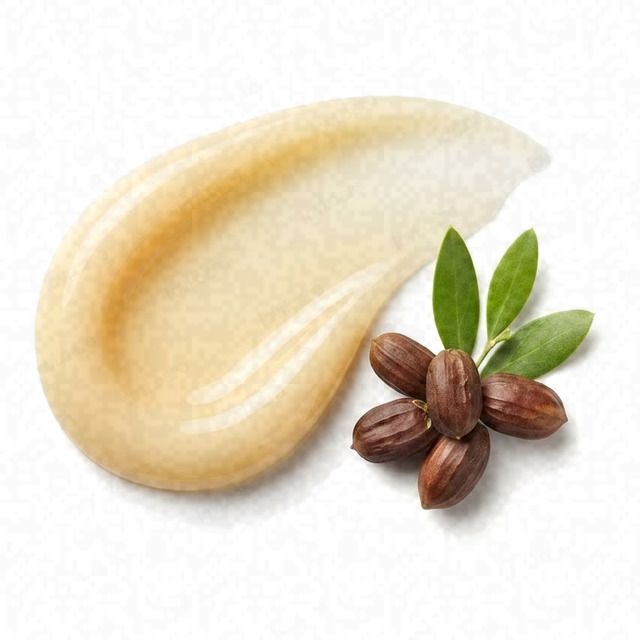 Jojoba Seed Oil
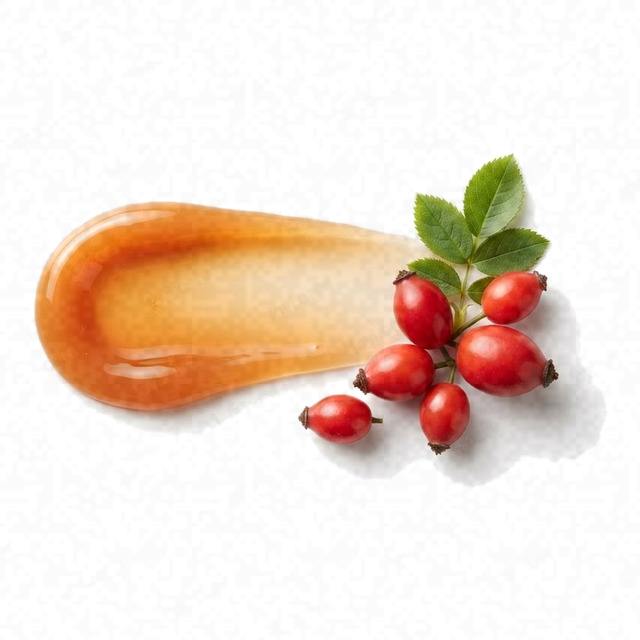 Rosa Canina Oil Fruit
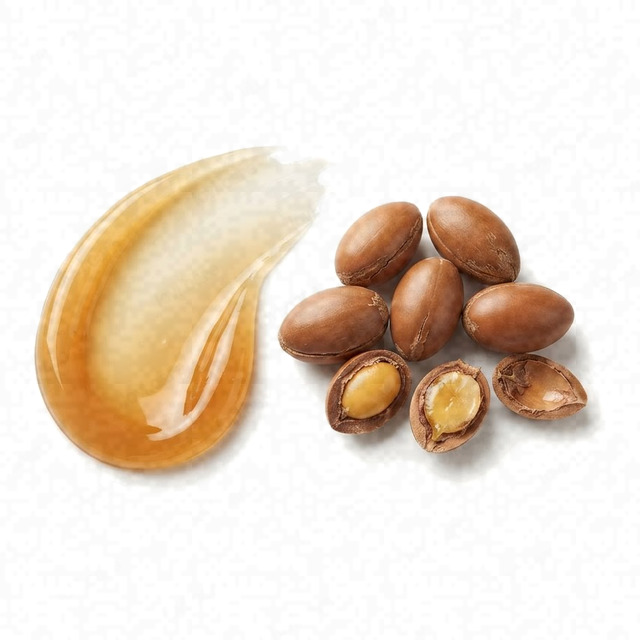 Argania Spinosa Kernel Oil
High
- HighOily Skin Fit
- HighEffectiveness
- HighSafety
A great choice for oily acne-prone skin; a few serums fit it even better.
This fit is calculated for the concerns frequently associated with oily acne-prone skin: shine, breakouts, blemishes, and enlarged pores. For scores and recommendations based on your full skin profile, including your 12D face scan results and any goals or preferences you have, please use the Lovi app.
Page built Nov 8, 2026How the Fit score works
Lovi Assistant explains
- Highly suitable for your oily skin, this formula leverages salicylic acid and retinyl propionate to effectively exfoliate and regulate oil production, addressing your concerns with acne, blemishes, and breakouts.
- The inclusion of rosa canina oil fruit and jojoba seed oil provides nourishment without clogging pores, further supporting your skin's balance.
- This product is safe for your skin, with no reported risks of irritation due to the absence of harsh ingredients.
How to apply
- Could be used as part of your PM routine. Start 3 times a week and build up to daily use if your skin tolerates it well.
- Apply your serum after cleansing and toning, but before putting on your moisturizer.
- Gently press 2 to 3 drops of the serum into your skin and let it absorb for a minute.
- Apply the serum on clean, dry skin to help manage your blemishes safely.
- Do a patch test before your first use and avoid the delicate eye area.
People Say
★4.5Overall rating based on 100+ reviewsBased on limited data, users frequently praise this product as a "game-changer" for adult acne, noting its unique ability to treat breakouts and signs of aging simultaneously without causing the dryness typical of other retinols. While many report waking up to clearer, glowing, and "glass-like" skin, a subset of users experienced purging or found it insufficient for severe, cystic acne.
Highlights
Clears acne Mostly Mentioned
- “cleared my skin”
- “brings gunk to surface”
- “pimples go away quickly”
- “keeps skin clear”
Improves texture Often Mentioned
- “beautiful glow”
- “fresh dewy complexion”
- “glass skin appearance”
- “smooth calm skin”
Lightweight absorption Sometimes Noted
- “absorbs quickly”
- “lightweight”
- “not greasy”
- “silky texture”
Non-drying Sometimes Noted
- “doesn't dry skin out”
- “no irritation”
- “feels hydrated”
- “soothing formula”
High price point Sometimes Noted
- “super expensive”
- “expensive”
- “worth it but pricey”
- “price is high”
Purging and irritation Sometimes Noted
- “caused a lot of acne”
- “closed comedones”
- “too harsh”
- “bad reaction”
Unpleasant scent Sometimes Noted
- “earthy scent”
- “intense smell”
- “strong scent”
- “smell is pretty intense”
Not for severe acne Rarely Noted
- “not strong enough”
- “didn't work for cystic acne”
- “better for occasional breakouts”
Sources: lovi.care, lovelyskin.com, dermstore.com, sephora.qa, influenster.com, dermalogica.com, and more
Questions and answers
What makes Dermalogica Retinol Clearing Oil a great fit for oily acne-prone skin?
Dermalogica Retinol Clearing Oil is a great fit for your oily acne-prone skin because it uses salicylic acid and retinyl propionate to clear out pores and manage extra oil. It also nourishes your face with jojoba and rosehip oils without clogging anything, and is very unlikely to cause irritation.
Journal of Cosmetic Dermatology, 2024Forschende Komplementarmedizin, 2012
Which ingredients make this treatment a good fit for oily acne-prone skin?
Salicylic acid and retinyl propionate make this treatment a great fit by helping to clear out pores and control oil, while jojoba seed oil and rosa canina fruit oil add nourishment without clogging them. This formula is unlikely to cause irritation and is well suited for keeping oily and acne-prone skin balanced.
Journal of Cosmetic Dermatology, 2024Journal of Drugs in Dermatology, 2023
What does Retinol do for oily acne-prone skin?
Retinol helps oily acne-prone skin by clearing up breakouts and smoothing the skin, though it may occasionally cause some mild scaling or stinging. This ingredient works by addressing the root causes of acne, making it a reliable choice for keeping pores clear and skin smooth.
American Journal of Clinical Dermatology, 2019Journal of Drugs in Dermatology, 2018
What does Salicylic Acid do for oily acne-prone skin?
Salicylic acid helps clear breakouts and keeps oily skin balanced by reducing oil levels and calming inflammation. It is well suited for oily, acne-prone skin because it targets pimples while helping keep the skin hydrated and protected.
Journal of Cosmetic Dermatology, 2025Experimental Dermatology, 2019
Where does this treatment go in a skincare routine for oily acne-prone skin?
This treatment goes in the evening routine, applied after cleansing and before moisturizing. Starting use once a week helps your skin adjust safely before possibly using it more often.
Can I use this treatment with niacinamide, and in what order?
You can use this treatment with niacinamide by applying niacinamide first in your routine and following it with this oil. This helps manage breakouts while keeping your skin balanced and is unlikely to cause irritation.
Journal of Cosmetic Dermatology, 2024Journal of Drugs in Dermatology, 2023
How often should I use this treatment?
Start by using this treatment once a week in the evening, and if your skin feels comfortable and you see good results, you can carefully use it more often. This gradual approach helps your skin adjust to active ingredients like retinol and salicylic acid while minimizing any potential irritation.
Journal of Cosmetic Dermatology, 2024Journal of Drugs in Dermatology, 2023
Can this treatment clog pores, cause breakouts or purging for oily acne-prone skin?
This treatment helps clear blemishes and regulate oil without clogging pores, though moderate purging and irritation may happen when you start using it. The formula uses salicylic acid and retinol to manage breakouts, while nourishing oils provide balance safely.
Journal of Cosmetic Dermatology, 2024Forschende Komplementarmedizin, 2012
Is this treatment fragrance-free and alcohol-free?
Yes, it has no fragrance and no drying alcohol. Cetyl alcohol is a fatty alcohol, which soften the skin.
What the research says
Twice daily application of a multitargeted dermocosmetic cream provided comparable efficacy to benzoyl peroxide 5% gel in reducing inflammatory, non-inflammatory, and total lesions in 150 Caucasian subjects with mild-to-moderate acne over 56 days, while demonstrating superior skin tolerability.
Journal of Cosmetic Dermatology, 2024The use of a salicylic acid-based dermocosmetic significantly reduces the needed quantity of benzoyl peroxide without impacting efficacy in mild to moderate acne, and as maintenance post-benzoyl peroxide allows a significant reduction of acne relapse compared to vehicle.
Journal of Drugs in Dermatology, 2023A moisturizer containing licochalcone A, 1,2-decanediol, L-carnitine, and salicylic acid significantly reduced noninflammatory, inflammatory, and total acne lesion counts compared to a vehicle control in Thai patients during a 12-week maintenance phase.
BioMed Research International, 2020Clay jojoba oil facial masks reduced total skin lesions by a mean of 54% after 6 weeks in 133 participants with acne-prone, lesioned skin and mild acne compared to baseline.
Forschende Komplementarmedizin, 2012Topical application of jojoba wax reduced LPS-induced secretion of IL-6, IL-8, and TNFα by approximately 30% and increased the synthesis of pro-collagen III and hyaluronic acid compared to untreated skin in an ex-vivo human skin organ culture model.
Frontiers in Pharmacology, 2024Topical 0.4% retinol significantly increased epidermal thickness, dermal vascularity, and extracellular matrix production by stimulating keratinocyte proliferation, endothelial cell proliferation, and fibroblast activation in naturally aged human skin compared to vehicle.
International Journal of Cosmetic Science, 2017Topical bakuchiol 0.5% applied twice daily compared with retinol 0.5% applied daily significantly decreased wrinkle surface area and hyperpigmentation with no statistical difference between the compounds in 44 patients over 12 weeks, while retinol users reported more facial skin scaling and stinging.
The British Journal of Dermatology, 2019Silicone particles encapsulating retinol increased its half-life by 9-fold and yielded 12-23% lower skin irritation in human subjects compared to Microsponge particles while maintaining biological activity.
Journal of Controlled Release, 2018Cryotherapy with liquid nitrogen achieved a higher cure rate (39%) than salicylic acid (24%) and a wait-and-see approach (16%) for cutaneous warts at 13 weeks in primary care patients.
CMAJ, 2010Treatment with 2% supramolecular salicylic acid hydrogel resulted in a regression and markedly improvement rate of 51.01% compared to 43.10% for Adapaline gel in patients with mild to moderate facial acne vulgaris, showing no significant difference in efficacy.
Journal of Cosmetic Dermatology, 2024Topical 5% benzoyl peroxide plus salicylic acid achieved the greatest lesion reduction at early 2 to 4 week time points compared to benzoyl peroxide, clindamycin, and combination benzoyl peroxide/clindamycin, while 5% benzoyl peroxide plus salicylic acid and combination benzoyl peroxide/clindamycin showed similar efficacy at 10 to 12 weeks in acne patients.
Journal of the American Academy of Dermatology, 2010Topical jojoba oil application in male mice decreased exercise-induced pro-inflammatory gene expression (Il-1b and Il-6 in soleus, Il-1b in gastrocnemius) compared to untreated exercised mice.
Biomolecules, 2025Nanolipidgel formulations with argan or jojoba oil and humectants demonstrate good sensory attributes, instrumental properties, and moisturizing efficacy for cosmetic application.
International Journal of Cosmetic Science, 2014Topical treatments containing rosehip extract may reduce the size and erythema of postsurgical scars through macrophage polarization and inflammatory cytokine inhibition, though current clinical evidence remains insufficient to recommend its routine use.
Journal of Cosmetic Dermatology, 2024Sunflower and rosehip oil nanoemulsions prepared with a mix of phospholipids and synthetic emulsifiers permeated intact skin to the dermis and showed a more prominent healing effect in a human organotypic skin explant culture wound model compared to nanoemulsions prepared only with phospholipids.
Pharmaceutics, 2023A nanoemulsion containing 1 mg/mL kojic dipalmitate and 5% rosehip oil demonstrated high incorporation efficiency, suitable physicochemical stability, antioxidant and depigmenting efficacy close to 1 mM ascorbic acid, and no cytotoxicity at concentrations from 0.06% to 1% in vitro.
Pharmaceutics, 2023A combination cream of stimu-tex AS and saccharide isomerate reduced erythema, increased skin capacitance, and reduced transepidermal water loss compared to placebo in 20 subjects after fractional CO2 laser procedure without causing serious adverse events.
Lasers in Medical Science, 2025Topical application of an argan oil NLC-based hydrogel formulation increased skin hydration in healthy volunteers over a one-month period through a synergistic effect of NLC occlusion and argan oil hydration.
International Journal of Nanomedicine, 2014Incorporating allantoin into argan oil enriched liposomes improved its accumulation in the dermis (~8.7μg/cm(2)) and permeation through the skin (~33μg/cm(2)) compared to conventional liposomes, water dispersion, and a commercial gel.
International Journal of Pharmaceutics, 2016
Ingredients
Coconut Alkanes, Ppg-15 Stearyl Ether, Rosa Canina Oil Fruit, Jojoba Seed Oil, C13-15 Alkane, Coco-Caprylate Caprate, Argania Spinosa Kernel Oil, Salicylic Acid, Caprylic Capric Triglyceride, Isopropyl Lauroyl Sarcosinate, Retinyl Propionate, Butyl Avocadate, Phenylethyl Resorcinol, Tanacetum Annuum Oil Flower, Sclareolide, Triolein, Cetyl Alcohol, Hydroxymethoxyphenyl Decanone, Tocopherol, Bht, Propyl Gallate
Behind this fit score
Lovi calculates every fit score from the full ingredient list with brand-independent rules our dermatologists and cosmetic chemists build and review, and personalizes every pick with AI trained on the real results of millions of users. Lovi trains its fit score models on a proprietary dataset built from more than 10,000 expert-labeled products and more than 100,000 simulated examples, following an internally consistent methodology presented at Cosmoprof, AMWC, and Skin of Color Update.
-

Co-founder, Medical Director
Cosmetic chemist, cosmetologist, aesthetic products developer
-

Co-founder, CEO and CTO
PhD in computer science, 3x US patent holder, ex-Google, ex-Yandex
-

Dr. Sofía Perea Pérez, MD, MSc
Medical Board
Aesthetic medicine practitioner, MSc in Longevity and Anti-Aging Medicine
-

Medical Board
Specialist dermatologist, MBBS, MD, IFAAD
-

Medical Board
Cosmetic chemist, SCS, IFSCC member
-

Medical Board, Medical Advisor
Dermatology MD
-

Elina Nazarenko, MD
Medical Board
Dermatology and diagnostic consultant
-

Victoria Derkova, MS
Medical Board
Cosmetic chemist, cosmetic development technologist


How does it fit your skin?
Scan your face, then any product: Lovi shows how well it fits you and what fits even better.