Dermalogica Calm Water Gel for acne-prone skin

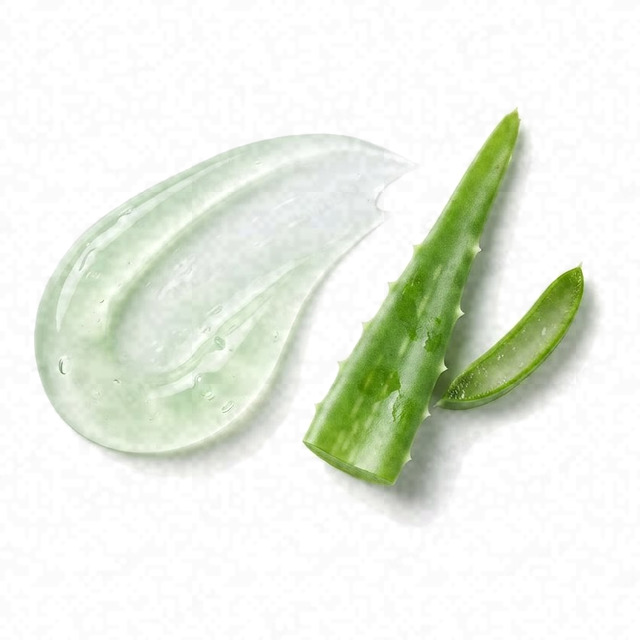 Aloe Barbadensis Leaf Juice
 Sodium Hyaluronate
 Glycerin
 Dimethicone
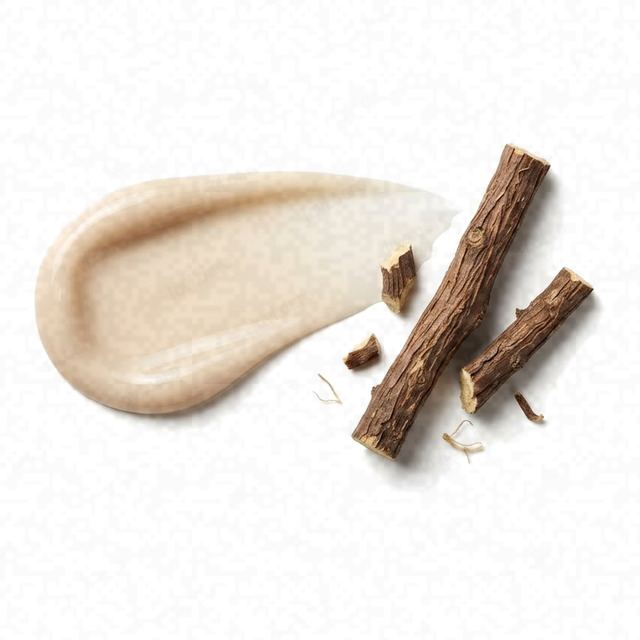 Dipotassium Glycyrrhizate
High
- HighCombination Skin Fit
- HighEffectiveness
- ExcellentSafety
A great choice for acne-prone skin; a few moisturizers fit it even better.
This fit is calculated for the concerns frequently associated with acne-prone skin: breakouts, blackheads, and post-acne marks. For scores and recommendations based on your full skin profile, including your 12D face scan results and any goals or preferences you have, please use the Lovi app.
Page built Nov 8, 2026How the Fit score works
Lovi Assistant explains
- This product offers excellent hydration for your combination skin, with glycerin and sodium hyaluronate working to plump and moisturize, while aloe barbadensis leaf juice provides soothing benefits for your acne-prone skin.
- Dipotassium glycyrrhizate and Pyrus Malus fruit extract offer additional anti-inflammatory and mild exfoliating properties, supporting overall skin health.
- The formula is safe for your skin, containing soothing ingredients like aloe and lavender extract and lacking any harsh or prohibited components.
How to apply
- Use your moisturizer twice a day in your AM and PM routines. Apply it daily to help keep breakouts under control.
- Apply after your cleanser and toner, and make sure to use your SPF right after in the morning.
- Gently spread a small amount of moisturizer over your face using soft motions. Let it absorb into the skin for a minute before getting dressed or applying makeup.
- Apply on slightly damp skin to help lock in extra moisture. This keeps your combination skin balanced without feeling heavy.
- Avoid the eye area and do a patch test before your first use. Stop using if you feel any irritation.
People Say
★4.6Overall rating based on 1.4k+ reviewsBased on a very large amount of data, users with very dry skin or living in colder climates often find it insufficiently hydrating on its own, requiring an additional serum or heavier cream.
Highlights
Soothes redness Mostly Mentioned
- “takes the red out of my cheeks”
- “cooling sensation feels amazing on irritated skin”
- “best thing for my reactive skin”
Lightweight gel Often Mentioned
- “melts into skin like water”
- “disappears immediately”
- “weightless feel”
- “no greasy residue”
Not hydrating enough Often Mentioned
- “skin felt tight after an hour”
- “need to layer a cream over it”
- “not enough for winter dryness”
- “disappeared too fast without hydrating”
Good under makeup Sometimes Noted
- “makeup sits perfectly on top”
- “doesn't pill under foundation”
- “smooth canvas for application”
- “keeps oil at bay during the day”
Non-comedogenic Sometimes Noted
- “doesn't clog my pores”
- “safe for acne-prone skin”
- “no new breakouts since using”
- “perfect balance for oily/sensitive skin”
Expensive for size Sometimes Noted
- “tube is very small for the price”
- “finished it in a month”
- “too expensive for a basic gel”
- “wish it came in a bigger size”
Caused irritation Rarely Noted
- “burned my sensitive skin”
- “caused tiny bumps”
- “made my face itch”
- “triggered a rash”
Sticky texture Rarely Noted
- “leaves a sticky film”
- “feels tacky to the touch”
- “hair sticks to my face”
- “weird texture until it dries”
Sources: lovi.care, ulta.com, sephora.com, dermstore.com, lovelyskin.com, spacenk.com, and more
Questions and answers
What makes Dermalogica Calm Water Gel a great fit for acne-prone skin?
Dermalogica Calm Water Gel is a great fit because glycerin and sodium hyaluronate keep your skin soft with lasting hydration, while aloe barbadensis leaf juice helps soothe and calm acne-prone skin. Dipotassium glycyrrhizate and fruit extract provide gentle anti-inflammatory benefits that support overall skin health without any harsh components.
Clinical, Cosmetic and Investigational Dermatology, 2017Clinical Pharmacology, 2018
Which ingredients make this cream a good fit for acne-prone skin?
This cream is a great fit for your acne-prone skin because aloe barbadensis leaf juice helps soothe irritation, while dipotassium glycyrrhizate and apple fruit extract provide calming and gentle exfoliating benefits. Glycerin and sodium hyaluronate also keep your skin hydrated without feeling heavy or greasy.
Clinical, Cosmetic and Investigational Dermatology, 2017Clinical Pharmacology, 2018
What does Aloe Vera Leaf Juice do for acne-prone skin?
Aloe Vera Leaf Juice helps calm acne-prone skin and may reduce redness, bumps, and spots when used consistently. Studies show it helps clear breakouts and keeps skin smooth by fighting blemish-causing factors.
Clinical Pharmacology, 2018The Journal of Dermatological Treatment, 2014
What does Hyaluronic Acid do for acne-prone skin?
Hyaluronic acid helps acne-prone skin by soothing irritation, calming redness, and keeping the skin balanced without clogging pores. When combined with targeted ingredients like zinc oxide, it may also help reduce breakouts.
Where does this cream go in a skincare routine for acne-prone skin?
This moisturizing treatment goes near the end of your evening routine, right after your treatment step and before finishing for the night. Using a daily moisturizer helps keep your skin hydrated and calm.
The Journal of Dermatological Treatment, 2022Clinical, Cosmetic and Investigational Dermatology, 2017
Can I use this cream with retinol, and in what order?
You can use this moisturizer with retinol by applying the retinol first and following it with this cream to keep your skin calm and hydrated. Using a gentle moisturizer alongside retinol helps reduce dryness and irritation while supporting your skin barrier.
How often should I use this cream?
This moisturizing treatment is a great fit for your acne-prone skin and is designed for daily use as part of your morning and evening routine. Regular application helps keep your skin hydrated and calm while supporting overall skin health.
Journal of Cosmetic Dermatology, 2020Health Science Reports, 2021
Can this cream clog pores, cause breakouts or purging for acne-prone skin?
This moisturizing treatment is a great fit for your acne-prone skin because it relies on lightweight hydration from glycerin and sodium hyaluronate while using aloe to keep skin calm. It is unlikely to clog pores or cause breakouts since it avoids heavy oils and harsh components, leaving your face feeling comfortable.
Clinical, Cosmetic and Investigational Dermatology, 2017Clinical Pharmacology, 2018
Can I use this cream around the eyes or on my body?
You can use this moisturizing treatment around the eyes and on the body because its gentle formula with hydrating and soothing ingredients is very safe for delicate skin. Regular application of a cream containing these moisturizing ingredients helps maintain hydration and supports skin health across different body areas.
Surgical and Radiologic Anatomy, 2002Clinical, Cosmetic and Investigational Dermatology, 2017
Is this cream fragrance-free and alcohol-free?
It has no drying alcohol and contains fragrance (linalool and limonene).
What the research says
A single application of a moisturizing fluid containing hyaluronic acid 1%, glycerin 5%, and Centella asiatica stem cells extract significantly increased skin hydration by 29% and reduced transepidermal water loss at 24 hours compared to baseline and an untreated control site in twenty healthy women.
Clinical, Cosmetic and Investigational Dermatology, 2017A cream combining propolis, tea tree oil, and Aloe vera reduced erythema scars, acne severity index, and total lesion count better than erythromycin cream in sixty patients with mild to moderate acne vulgaris compared to placebo.
Clinical Pharmacology, 2018Dipotassium glycyrrhizinate-loaded hydroxypropyl chitosan and poly(N-isopropylacrylamide) hydrogels applied to wounds in a mouse full-thickness skin defect model resulted in rapid wound closure, efficient tissue remolding, collagen deposition, and decreased inflammation compared to commercial Tegaderm film and 3M dressing controls.
Acta Biomaterialia, 2022Topical aloe vera gel significantly accelerated split-thickness skin graft donor-site healing compared to placebo in 12 patients, but showed no significant difference in pain relief.
Plastic and Reconstructive Surgery, 2018Topical application of Aloe vera cream reduced postoperative pain at rest and during defecation, accelerated wound healing at two weeks, and decreased analgesic requirements in patients after open hemorrhoidectomy compared to placebo.
Journal of Alternative and Complementary Medicine, 2010Formulations containing 0.10%, 0.25%, and 0.50% freeze-dried Aloe vera extract increased stratum corneum water content compared with the vehicle in 20 female subjects, while transepidermal water loss was not modified.
Skin Research and Technology, 2006Topical application of 0.1% hyaluronic acid formulations of different molecular weights led to significant improvements in skin hydration and elasticity, with low-molecular-weight formulations also significantly reducing wrinkle depth in seventy-six female subjects compared to a vehicle control.
Journal of Drugs in Dermatology, 2011Topical application of hyaluronic acid in conjunction with free gingival graft significantly reduced donor site postoperative pain until day 7 compared to normal saline, with no significant differences in graft dimensions or patient satisfaction.
Clinical Oral Investigations, 2022Treatment with a hyaluronic acid-containing mouth rinse or topical gel led to significant lesion reduction, pain relief, and normalization of lesion color in adult patients with minor recurrent aphthous stomatitis, with the gel formulation showing an earlier healing onset at 3 days.
BMC Oral Health, 2019The emollient V0034CR significantly reduced TEWL compared to vehicle and vehicle plus glycerol, and significantly increased corneometry scores compared to vehicle and vehicle plus petrolatum in healthy volunteers with dry skin, demonstrating combined barrier function improvement from petrolatum and hydration improvement from glycerol.
Journal of Cosmetic Dermatology, 2020Ten days of treatment with a cream containing 20% glycerin significantly increased skin hydration measured by corneometer values in 17 healthy volunteers compared to a placebo cream, but showed no influence on transepidermal water loss or skin sensitivity to an irritating surfactant.
International Journal of Cosmetic Science, 2001Niacinamide/glycerin body moisturizers provided better rapid and prolonged improvement of cosmetic xerosis through functional improvement of stratum corneum barrier function compared to no treatment and conventional moisturizers in female subjects.
Journal of Drugs in Dermatology, 2012Wearing an N95 mask alone compared to using dimethicone cream or hydrocolloid dressing caused more adverse skin reactions among 73 military health care workers, with no significant differences in fit test failure rates between groups.
Military Medicine, 2024A dimethicone skin protectant lotion significantly decreased visual scoring and transepidermal water loss compared to vehicle control and SLS-only treated sites in 12 healthy humans exposed to sodium lauryl sulfate.
Skin Research and Technology, 2000Treatment with a moisturizer containing dimethicone and glycerine increased epidermal thickness by 0.019 mm, improved barrier function by decreasing transepidermal water loss by 13%, decreased melanin intensity, and induced keratins 6 and 16 in fifteen women with moderately photoaged forearms.
Clinical and Experimental Dermatology, 2007Combining 755 nm alexandrite laser with topical licorice gel significantly reduces terminal hair counts compared to alexandrite laser with placebo in women with idiopathic hirsutism.
Evidence-based Complementary and Alternative Medicine, 2015Licochalcone A activated Nrf2 signaling, elevated cytoprotective enzymes, increased the reduced-to-oxidized glutathione ratio, and decreased reactive oxygen species in human fibroblasts and neutrophils, while a LicA-rich licorice extract lowered UVA-induced oxidative processes in vivo.
Experimental Dermatology, 2015Bioactive glycyrrhizic acid and oxymatrine ionic liquid self-assembled nanomicelles significantly promoted the transdermal permeation, subcutaneous retention, and anti-photoaging efficacy of palmitoyl pentapeptide-4 in cellular and animal models compared to unformulated peptide.
Advanced Science, 2025
Ingredients
Water, Glycerin, Aloe Barbadensis Leaf Juice, Dimethicone, Butylene Glycol, Pyrus Malus Fruit Extract, 1,2-Hexanediol, Diethylhexyl Carbonate, Opuntia Ficus-Indica Stem Extract, Sodium Hyaluronate, Dipotassium Glycyrrhizate, Hydrolyzed Sodium Hyaluronate, Lavandula Angustifolia Flower Extract Lavender Flower Extract, Stearyl Heptanoate, Cetyl Peg Ppg-10 1 Dimethicone, Hydroxyacetophenone, Sea Salt, Dimethicone Crosspolymer, Stearyl Caprylate, Lauryl Peg-9 Polydimethylsiloxyethyl Dimethicone, Potassium Sorbate, Citric Acid, Sodium Benzoate, Disodium Phosphate, Linalool, Limonene
Behind this fit score
Lovi calculates every fit score from the full ingredient list with brand-independent rules our dermatologists and cosmetic chemists build and review, and personalizes every pick with AI trained on the real results of millions of users. Lovi trains its fit score models on a proprietary dataset built from more than 10,000 expert-labeled products and more than 100,000 simulated examples, following an internally consistent methodology presented at Cosmoprof, AMWC, and Skin of Color Update.
-

Co-founder, Medical Director
Cosmetic chemist, cosmetologist, aesthetic products developer
-

Co-founder, CEO and CTO
PhD in computer science, 3x US patent holder, ex-Google, ex-Yandex
-

Dr. Sofía Perea Pérez, MD, MSc
Medical Board
Aesthetic medicine practitioner, MSc in Longevity and Anti-Aging Medicine
-

Medical Board
Specialist dermatologist, MBBS, MD, IFAAD
-

Medical Board
Cosmetic chemist, SCS, IFSCC member
-

Medical Board, Medical Advisor
Dermatology MD
-

Elina Nazarenko, MD
Medical Board
Dermatology and diagnostic consultant
-

Victoria Derkova, MS
Medical Board
Cosmetic chemist, cosmetic development technologist


How does it fit your skin?
Scan your face, then any product: Lovi shows how well it fits you and what fits even better.