Cos De BAHA Hydroquinone Brightening Serum for dry sensitive skin

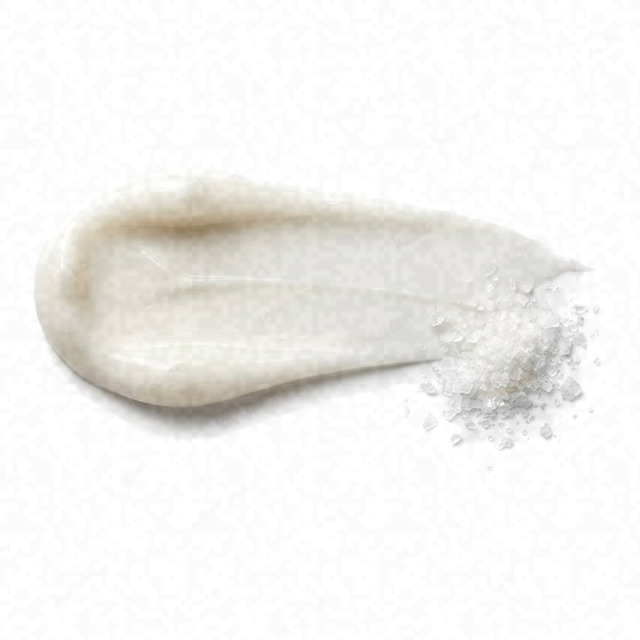 Hydroquinone
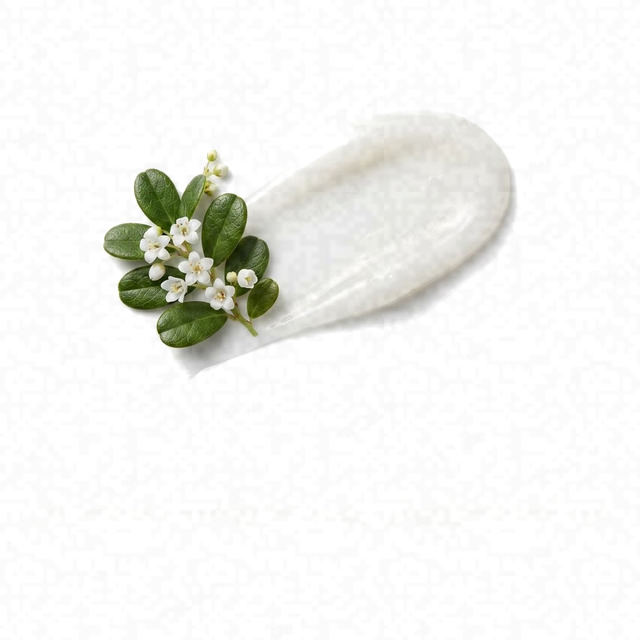 Arbutin
 Niacinamide
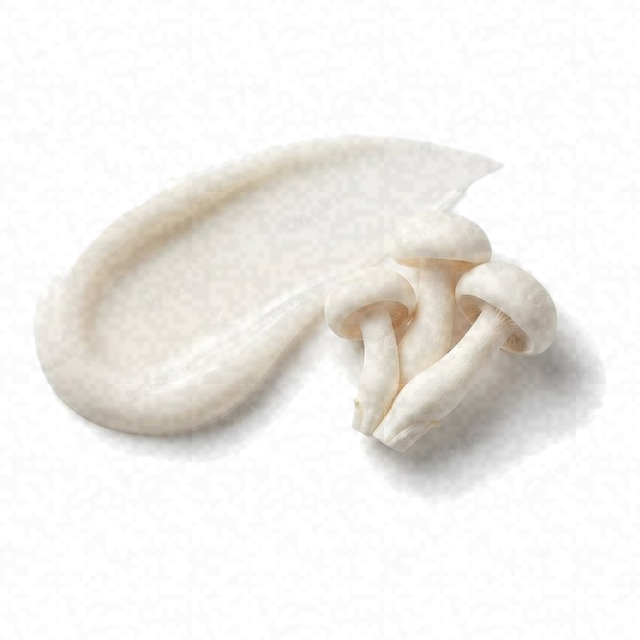 Kojic Acid
 Salicylic Acid
Warning
- LowDry Skin Fit
- AverageEffectiveness
- RiskySafety
A poor match for dry sensitive skin; the serums alongside fit it better.
This fit is calculated for the concerns frequently associated with dry sensitive skin: flakiness, tightness, redness, fine lines, and wrinkles. For scores and recommendations based on your full skin profile, including your 12D face scan results and any goals or preferences you have, please use the Lovi app.
Page built Nov 8, 2026How the Fit score works
Lovi Assistant explains
- Offers moderate exfoliation for your dry or flaky skin due to salicylic acid and lactic acid, which can cause dryness and irritation, potentially worsening your dry or flaky skin.
- Arbutin and hydroquinone provide moderate skin brightening to even skin tone, but the combination of exfoliating acids and humectant sodium hyaluronate may not fully counteract the drying effects for your dry skin.
How to apply
- Use this PM routine for your evening skincare. Start using the serum 3 times a week and increase to daily use if your skin feels comfortable.
- Apply the serum after cleansing and toner, but right before your moisturizer. This step locks in deep hydration for dry skin.
- Gently press 2-3 drops of the serum into your skin using your palms. Let it absorb completely for a minute ⏱ before applying your next product.
- Since your skin is sensitive, apply the serum on completely dry skin for better tolerance and less irritation.
- Avoid the sensitive eye area during application. Always do a patch test before your first use to ensure your skin reacts well.
People Say
★4.6Overall rating based on 200+ reviewsThis serum is highly effective for hyperpigmentation and dark spots, with many users reporting visible improvements in skin tone and clarity. While generally well-tolerated, some users note that the product can oxidize and that clear instructions for use are sometimes lacking. A significant number of reviews also mention that the price is affordable and the formula is gentle.
Highlights
Fades dark spots Mostly Mentioned
- “Only thing that helped with my long-standing pigmentation.”
- “Really fades my red and brown marks from acne.”
- “Effective in treating severe dark spots, hyperpigmentation, melasma.”
Visible results Often Mentioned
- “Works faster in 7 days you start seeing visible results.”
- “Initial improvements in 4-6 weeks with consistent use.”
- “I notice a difference right away on fresh marks.”
Affordable price Sometimes Noted
- “A price is affordable.”
- “Sometimes they'll have it for as low as like 10 bucks.”
Gentle formula Sometimes Noted
- “A lot more gentle than prescription 4% hydroquinone.”
- “It hasn't caused any sensitivity for me.”
- “Soothes and moisturizes sensitive skin.”
Product oxidation Sometimes Noted
- “My first bottle oxidized before I finished it.”
- “It might turn brown... it might get oxidized.”
- “The additive-free formula may be prone to discoloration.”
Lack of instructions Rarely Noted
- “They do not explain anywhere on their website the protocol.”
- “Risky for some people to use... read more about it.”
- “Does not explain very well all the potential side effects.”
Slow/No results Rarely Noted
- “I've been using it for a month and haven't noticed any results.”
- “Doesn't work as well for really old marks.”
- “Not quite potent as I think.”
Sources: lovi.care, orientalbeautyxo.com, gopicky.com, elikoglow.ca, reddit.com, youtube.com, and more
Questions and answers
Why does Lovi advise against Cos De BAHA Hydroquinone Brightening Serum for dry sensitive skin?
Lovi advises against this product because its exfoliating acids can cause dryness and irritation, which may worsen your dry and sensitive skin. Treatments that fit this skin well need gentle hydrating ingredients, ceramides, and vitamins to provide moisture and protect the skin barrier without any risk of irritation.
Which ingredients make this serum a poor fit for dry sensitive skin?
Salicylic acid and lactic acid make this serum a poor fit because they exfoliate and can cause dryness and irritation on dry skin. Products for this skin need gentle hydrating and nourishing ingredients, such as ceramides and multiple forms of vitamin C, that provide moisture retention and skin barrier support without any risk of irritation.
What does Hydroquinone do for dry sensitive skin?
Hydroquinone is unlikely to be a good fit for dry sensitive skin because it may cause irritation and redness in delicate skin types. A product of this type needs soothing and hydrating ingredients like polyhydroxy acids to keep sensitive skin calm and smooth.
What does Arbutin do for dry sensitive skin?
Arbutin helps fade dark spots and even out skin tone. For dry sensitive skin, it is generally well tolerated and unlikely to cause irritation, though a product of this type needs added hydrating ingredients and gentle soothing agents to keep dry skin comfortable.
Where does this serum go in a skincare routine for dry sensitive skin?
This serum is a poor fit for dry sensitive skin because its exfoliating acids and brightening ingredients can cause dryness and irritation. If you still choose to use it, treatments of this type go in the evening routine, and this skin type needs gentle hydrating ingredients and soothing moisturizers to prevent irritation.
Can I use this serum with retinol, and in what order?
You should avoid using this treatment alongside retinol on dry sensitive skin, because the exfoliating acids and hydroquinone inside may cause excessive dryness and irritation. If you choose to use strong active treatments like this, your skin needs rich hydrating ingredients and gentle soothing agents to protect its moisture barrier.
How often should I use this serum?
This serum is a poor match for your dry sensitive skin because its exfoliating acids can cause dryness and irritation. A product of this type needs gentle exfoliating ingredients alongside rich moisturizers and hydrating agents to keep dry skin calm and smooth.
Can this serum clog pores, cause breakouts or purging for dry sensitive skin?
This serum is unlikely to clog pores or cause breakouts on dry sensitive skin, but its exfoliating acids may cause dryness and irritation. A product for this skin needs gentle hydrating ingredients and soothing agents to keep the skin soft and calm without irritation.
Is this serum fragrance-free and alcohol-free?
Yes, it has no fragrance and no drying alcohol.
What the research says
TFC-1067 and 2% hydroquinone both significantly lightened facial dyschromia after 8 and 12 weeks in 48 healthy female subjects, but only hydroquinone also lightened normal skin.
Journal of Cosmetic Dermatology, 2020A non-hydroquinone topical formulation (SKNB19) improved hyperpigmentation by 28.5% in patient self-assessment and 27% in independent reviewer assessment compared with 4% hydroquinone in 18 adult subjects, while showing significantly less irritation and better tolerability.
Journal of Cosmetic Science, 2020Encapsulation of alpha arbutin in an optimized ethosomal gel significantly improved skin melanin reduction, moisture content, and elasticity in human volunteers compared to conventional formulations.
Heliyon, 2023Combining a home-based radiofrequency device and arbutin cream reduced mMASI scores by 25.6% and melanin index by 22.8% at 8 weeks compared to baseline in 38 participants.
Journal of Cosmetic Dermatology, 2025Topical post-laser application of human adipocyte-derived mesenchymal stem cell media combined with niacinamide significantly improved wrinkle index, melanin index, patient satisfaction, and investigator esthetic improvement scores compared to vehicle cream in patients with aging skin.
Journal of Cosmetic Dermatology, 2021Topical nicotinamide prevented solar-simulated UV-induced immunosuppression in healthy volunteers, and men experienced immunosuppression at solar-simulated UV doses three times lower than those required for women.
The Journal of Investigative Dermatology, 2008Topical 5% niacinamide applied twice daily for 12 weeks reduced fine lines and wrinkles, hyperpigmented spots, red blotchiness, and skin sallowness, and improved skin elasticity compared to vehicle control in 50 female white subjects with facial photoaging.
Dermatologic Surgery, 2005A topical formulation containing kojic acid, emblica extract, and glycolic acid demonstrated efficacy parity compared with hydroquinone 4% in multiethnic participants with mild to moderate facial dyschromia.
Cutis, 2010A nanoemulsion containing 1 mg/mL kojic dipalmitate and 5% rosehip oil demonstrated high incorporation efficiency, suitable physicochemical stability, antioxidant and depigmenting efficacy close to 1 mM ascorbic acid, and no cytotoxicity at concentrations from 0.06% to 1% in vitro.
Pharmaceutics, 2023Topical application of iron chelators kojic acid and deferiprone significantly accelerated wound healing in rats compared to control groups, with deferiprone showing superior efficacy due to higher antioxidant and iron chelation abilities.
International Wound Journal, 2013Cryotherapy with liquid nitrogen achieved a higher cure rate (39%) than salicylic acid (24%) and a wait-and-see approach (16%) for cutaneous warts at 13 weeks in primary care patients.
CMAJ, 2010A moisturizer containing licochalcone A, 1,2-decanediol, L-carnitine, and salicylic acid significantly reduced noninflammatory, inflammatory, and total acne lesion counts compared to a vehicle control in Thai patients during a 12-week maintenance phase.
BioMed Research International, 2020Treatment with 2% supramolecular salicylic acid hydrogel resulted in a regression and markedly improvement rate of 51.01% compared to 43.10% for Adapaline gel in patients with mild to moderate facial acne vulgaris, showing no significant difference in efficacy.
Journal of Cosmetic Dermatology, 2024
Ingredients
Aloe Barbadensis Leaf Extract, Propanediol, Arbutin, Niacinamide, 1,2-Hexanediol, Hydroquinone, Citric Acid, Sodium Citrate, Sodium Hyaluronate, Salicylic Acid, Kojic Acid, Lactic Acid, Disodium Edta
Behind this fit score
Lovi calculates every fit score from the full ingredient list with brand-independent rules our dermatologists and cosmetic chemists build and review, and personalizes every pick with AI trained on the real results of millions of users. Lovi trains its fit score models on a proprietary dataset built from more than 10,000 expert-labeled products and more than 100,000 simulated examples, following an internally consistent methodology presented at Cosmoprof, AMWC, and Skin of Color Update.
-

Co-founder, Medical Director
Cosmetic chemist, cosmetologist, aesthetic products developer
-

Co-founder, CEO and CTO
PhD in computer science, 3x US patent holder, ex-Google, ex-Yandex
-

Dr. Sofía Perea Pérez, MD, MSc
Medical Board
Aesthetic medicine practitioner, MSc in Longevity and Anti-Aging Medicine
-

Medical Board
Specialist dermatologist, MBBS, MD, IFAAD
-

Medical Board
Cosmetic chemist, SCS, IFSCC member
-

Medical Board, Medical Advisor
Dermatology MD
-

Elina Nazarenko, MD
Medical Board
Dermatology and diagnostic consultant
-

Victoria Derkova, MS
Medical Board
Cosmetic chemist, cosmetic development technologist


How does it fit your skin?
Scan your face, then any product: Lovi shows how well it fits you and what fits even better.