Clinisoothe+ Skin Purifier for oily acne-prone skin

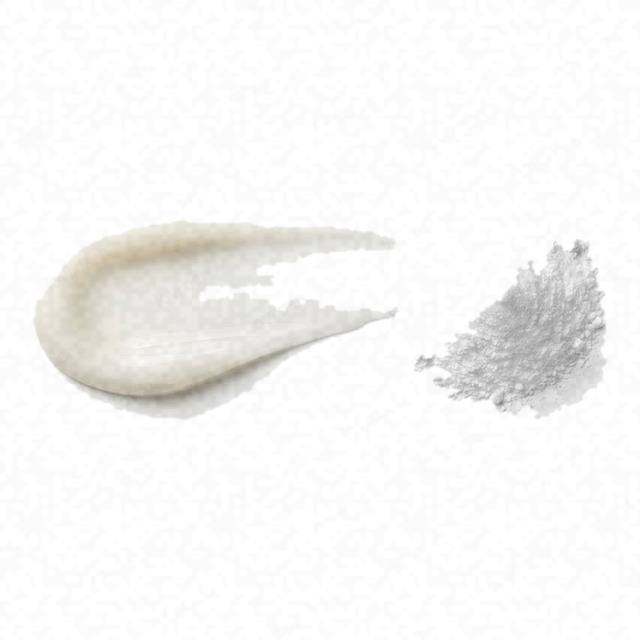 Sodium Hypochlorite
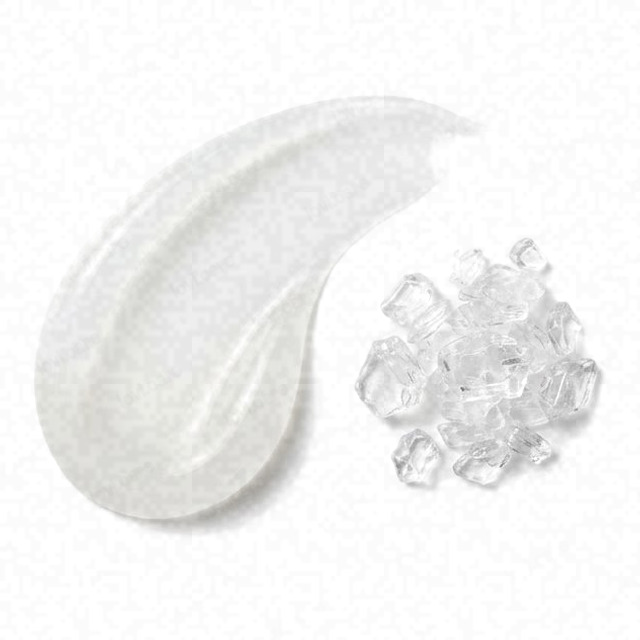 Phosphoric Acid
 Hypochlorous Acid
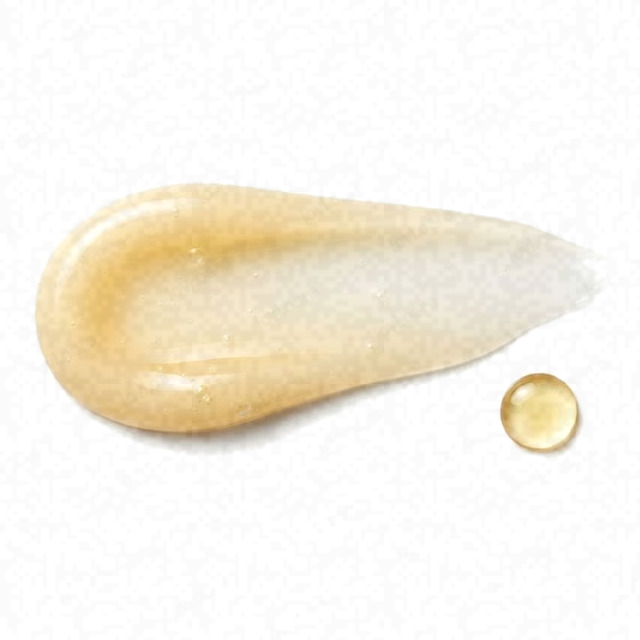 High Purity Oil
Caution
- AverageOily Skin Fit
- AverageEffectiveness
- ConcerningSafety
A poor match for oily acne-prone skin; the serums alongside fit it better.
This fit is calculated for the concerns frequently associated with oily acne-prone skin: shine, breakouts, blemishes, and enlarged pores. For scores and recommendations based on your full skin profile, including your 12D face scan results and any goals or preferences you have, please use the Lovi app.
Page built Nov 8, 2026How the Fit score works
Lovi Assistant explains
- Offers moderate treatment for acne lesions due to sodium hypochlorite, which helps reduce blemishes on your oily skin, but lacks targeted ingredients to effectively manage oiliness or prevent future breakouts.
- The formula provides mild antiseptic benefits for acne and blemishes, but the absence of sufficient humectant or emollient ingredients may not offer optimal hydration and barrier support for your oily skin.
How to apply
- Could be used as part of your PM routine. Start 3 times a week and build up to daily use if your skin tolerates it well.
- Apply your serum after cleansing and toning, but before putting on your moisturizer.
- Gently press 2 to 3 drops of the serum into your skin and let it absorb for a minute.
- Apply the serum on clean, dry skin to help manage your blemishes safely.
- Do a patch test before your first use and avoid the delicate eye area.
People Say
★4.6Overall rating based on 700+ reviewsWhile most users experience significant relief and clearer complexions, a small minority report issues such as dryness, lack of moisturizing properties, or occasional breakouts.
Highlights
Reduces breakouts Mostly Mentioned
- “Cleared up acne around chin”
- “Keeps breakouts at bay”
- “Prevented breakouts before they appeared”
Calms sensitive skin Often Mentioned
- “Soothing for reactive skin”
Gentle formula Often Mentioned
- “No stinging or stripping”
- “Alcohol-free and non-toxic”
- “Feels refreshing”
Versatile use Sometimes Noted
- “Great post-workout”
- “Use as toner/mist”
- “Safe for face and body”
Expensive product Sometimes Noted
- “Clinisoothe is too expensive”
- “Changing to cheaper alternative”
Application issues Rarely Noted
- “Comes out in a harsh way”
- “Difficult to target”
Causes dryness Rarely Noted
- “Dry/tight feeling after spraying”
- “Lacks moisturizing ingredients”
Potential breakouts Rarely Noted
- “Acne got super bad”
- “Get small bumps if overused”
Sources: lovi.care, clinisoothe.com, skinsort.com, marieclaire.co.uk, whowhatwear.com, theskinnerd.com, and more
Questions and answers
Why does Lovi advise caution with Clinisoothe+ Skin Purifier for oily acne-prone skin?
Clinisoothe+ Skin Purifier offers moderate treatment for blemishes on oily skin, but it lacks targeted ingredients to manage oiliness or prevent future breakouts. It also misses enough softening or hydrating ingredients to support your skin barrier properly. A treatment for this skin needs ingredients like benzoyl peroxide, tea tree extract, niacinamide, or sodium hyaluronate to control oil and breakouts while keeping skin balanced and comfortable.
Which ingredients make this cleanser a poor fit for oily acne-prone skin?
This cleanser is a poor fit for oily acne-prone skin because it lacks targeted ingredients like benzoyl peroxide, tea tree extract, niacinamide, or sodium hyaluronate to manage oiliness, provide proper hydration, and prevent future breakouts. A product of this type needs those ingredients and benefits to successfully treat acne and balance oily skin.
What does Water do for oily acne-prone skin?
Water helps keep oily, acne-prone skin hydrated without making it greasy. Keeping skin hydrated is important because acne treatments can dry it out and irritate the skin barrier.
What does Bleach do for oily acne-prone skin?
Sodium hypochlorite helps oily acne-prone skin by reducing pimples and breakouts. Using it in a mild formula may calm the skin without causing dryness, making it a useful addition to your routine.
Where does it go in a skincare routine for oily acne-prone skin?
This treatment goes in the evening routine, but this product is only a poor match for oily acne-prone skin because it lacks targeted ingredients to control oiliness and keep skin hydrated. Oily acne-prone skin needs products of this type with ingredients that help manage oil and provide moisture barrier support.
Can I use it with retinol, and in what order?
This treatment is a poor match for your oily acne-prone skin, so caution is advised when pairing it with retinol. A product of this type needs targeted ingredients to manage oiliness and prevent future breakouts, along with enough hydration and skin-barrier support.
How often should I use it?
You can use this treatment in the evening as part of your routine. Because this product is a poor match for your oily acne-prone skin, a suitable product of this type needs ingredients that help manage oiliness, prevent breakouts, and provide moisture and barrier support.
Can it clog pores, cause breakouts or purging for oily acne-prone skin?
This treatment is unlikely to cause new breakouts on oily acne-prone skin, as users rarely complain about this issue. However, because it lacks ingredients that target oiliness and barrier support, a product of this type needs added lightweight hydrators and oil-balancing ingredients to keep oily skin clear and comfortable.
What the research says
Topical 0.005% sodium hypochlorite solution applied for one month decreased the total number of papules and pustules compared to placebo in patients with mild to moderate acne.
Dermatology Practical & Conceptual, 2021Topical 0.01% hypochlorous acid through ultrasonic atomization significantly improved OSDI scores, lid margin redness, lid margin abnormality, meibum expressibility, and meibum quality compared to control eyelid scrubs in patients with blepharitis after 2 weeks.
Journal of Clinical Medicine, 2023A sporicidal hypochlorous acid solution (Vashe) safely and significantly enhanced the reduction of Clostridium difficile spores and Bacillus anthracis surrogates from human skin compared to soap and water.
PloS One, 2013Daily application of an acid-oxidising solution containing hypochlorous acid to chronic epidermolysis bullosa wounds reduced Staphylococcus aureus relative abundance from 34% to 10% at 8 weeks, increased bacterial diversity, and diminished wound sizes in 15 patients.
Experimental Dermatology, 2025
Ingredients
Water, Sodium Hypochlorite, Phosphoric Acid
Behind this fit score
Lovi calculates every fit score from the full ingredient list with brand-independent rules our dermatologists and cosmetic chemists build and review, and personalizes every pick with AI trained on the real results of millions of users. Lovi trains its fit score models on a proprietary dataset built from more than 10,000 expert-labeled products and more than 100,000 simulated examples, following an internally consistent methodology presented at Cosmoprof, AMWC, and Skin of Color Update.
-

Co-founder, Medical Director
Cosmetic chemist, cosmetologist, aesthetic products developer
-

Co-founder, CEO and CTO
PhD in computer science, 3x US patent holder, ex-Google, ex-Yandex
-

Dr. Sofía Perea Pérez, MD, MSc
Medical Board
Aesthetic medicine practitioner, MSc in Longevity and Anti-Aging Medicine
-

Medical Board
Specialist dermatologist, MBBS, MD, IFAAD
-

Medical Board
Cosmetic chemist, SCS, IFSCC member
-

Medical Board, Medical Advisor
Dermatology MD
-

Elina Nazarenko, MD
Medical Board
Dermatology and diagnostic consultant
-

Victoria Derkova, MS
Medical Board
Cosmetic chemist, cosmetic development technologist


How does it fit your skin?
Scan your face, then any product: Lovi shows how well it fits you and what fits even better.