Biossance Squalane + Phyto-Retinol Serum for sensitive skin

 Squalane
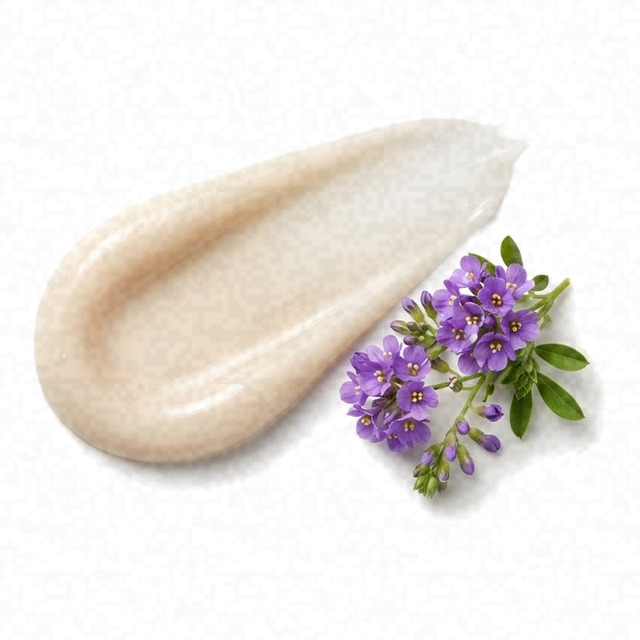 Bakuchiol
 Niacinamide
 Sodium Hyaluronate
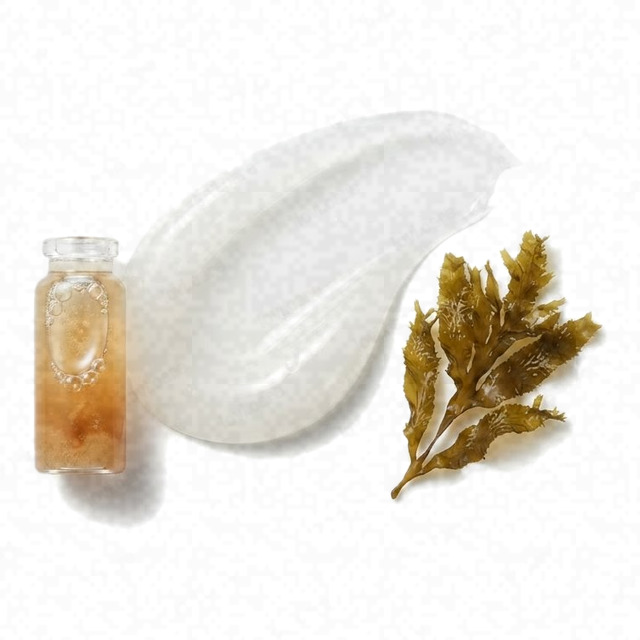 Biosaccharide Gum-1
Average
- HighNormal Skin Fit
- AverageEffectiveness
- HighSafety
Works for sensitive skin; other serums fit it better.
This fit is calculated for the concerns frequently associated with sensitive skin: redness, stinging, and reactions to new products. For scores and recommendations based on your full skin profile, including your 12D face scan results and any goals or preferences you have, please use the Lovi app.
Page built Nov 8, 2026How the Fit score works
Lovi Assistant explains
- Offers moderate benefits for your normal skin, as squalane and glycerin support hydration and barrier function, while bakuchiol and niacinamide improve texture and minimize fine lines.
- The serum provides general soothing and hydration due to ingredients like niacinamide and Rosa Canina Oil Fruit, which can be supportive for redness and irritation.
- The product is safe for your sensitive skin, containing no harsh ingredients and including soothing components like niacinamide and Rosa Canina Oil Fruit.
How to apply
- Use your serum in the PM routine, starting 3 times a week before building up to daily use if your skin is happy.
- Apply the serum after cleansing and toning, but before putting on your moisturizer for the best results.
- Gently press 2-3 drops of the serum into your skin and wait a minute ⏱ for it to soak in.
- Since your skin is sensitive and easily irritated, apply the serum on completely dry skin to help keep it calm.
- Always do a patch test before your first use and avoid getting the serum too close to your eyes .
People Say
★4.5Overall rating based on 100+ reviewsUsers frequently report improvements in skin texture and significant hydration without the irritation commonly associated with retinoids. Some users find the name misleading and the scent polarizing, while others note the high price and recent availability issues.
Highlights
Gentle, non-irritating Mostly Mentioned
- “No redness or flaking”
- “Great for sensitive skin”
Hydrating and moisturizing Often Mentioned
- “Leaves skin soft”
- “Makes skin glow”
- “Very moisturizing”
Availability issues Often Mentioned
- “Discontinued”
- “Hard to find”
- “Out of stock”
Improves skin texture Sometimes Noted
- “Smoother texture”
- “Helps fine lines”
- “Skin feels bouncy”
Lightweight formula Sometimes Noted
- “Absorbs well”
- “Non-greasy”
- “Lightweight feel”
High price point Sometimes Noted
- “Expensive”
- “Pricey”
- “Not budget friendly”
Misleading name Sometimes Noted
- “Contains no retinol”
- “Confusing marketing”
- “Just Bakuchiol”
Polarizing scent Rarely Noted
- “Unique smell”
- “Dislike the scent”
- “Smells like rose”
Sources: lovi.care, influenster.com, sephora.com, cultbeauty.co.uk, reddit.com, skinsort.com, and more
Questions and answers
How well does Biossance Squalane + Phyto-Retinol Serum work for sensitive skin?
Biossance Squalane + Phyto-Retinol Serum works decently for sensitive skin, though other products fit it better. To fit this skin well, a treatment needs ingredients that target redness and irritation without any risk of irritation.
The British Journal of Dermatology, 2019Clinical, Cosmetic and Investigational Dermatology, 2017
Which ingredients make this serum a good fit for sensitive skin?
Squalane, glycerin, and niacinamide make this serum a good fit for sensitive skin by keeping it hydrated and calm. To work even better for sensitive skin, a product of this type needs soothing components and antioxidants that target redness while avoiding any risk of irritation.
What does Squalane do for sensitive skin?
Squalane helps calm sensitive skin by defending against everyday irritation and keeping it smooth and soft. It is unlikely to cause irritation and supports your skin barrier so it stays comfortable and hydrated.
What does Bakuchiol do for sensitive skin?
Bakuchiol helps improve barrier function, reduces redness and sensitivity, and softens fine lines in sensitive skin with a very low likelihood of scaling and stinging.
The British Journal of Dermatology, 2019Health Science Reports, 2025
Where does this serum go in a skincare routine for sensitive skin?
This serum goes in the evening routine after your toner and before your moisturizer. Treatments with active ingredients are placed at night for simplicity and extra safety around sun exposure. To work best for sensitive skin, a product of this type needs calming ingredients like niacinamide and plant oils to soothe redness and irritation while supporting your skin barrier.
Journal of Drugs in Dermatology, 2025Clinical, Cosmetic and Investigational Dermatology, 2023
Can I use this serum with retinol, and in what order?
This serum contains bakuchiol, a plant-based alternative that helps smooth skin like traditional retinoids, so using them together may easily cause dryness or irritation. To safely include both in your routine, use your regular retinol on alternating nights or use this serum in the morning and your retinol at night.
How often should I use this serum?
You can use this treatment in the evening as part of your routine. Products of this type for sensitive skin work best when they include gentle hydrators and soothing ingredients to keep skin calm and smooth.
Can this serum clog pores, cause breakouts or purging for sensitive skin?
This serum is unlikely to clog pores or cause breakouts for sensitive skin because it relies on lightweight, hydrating ingredients like squalane and glycerin instead of heavy oils. It also does not contain traditional retinol, so it will not cause the typical skin purging associated with harsher anti-aging treatments.
Is this serum fragrance-free and alcohol-free?
It has no drying alcohol and contains fragrance (linalool, geraniol, and limonene).
What the research says
Topical bakuchiol 0.5% applied twice daily compared with retinol 0.5% applied daily significantly decreased wrinkle surface area and hyperpigmentation with no statistical difference between the compounds in 44 patients over 12 weeks, while retinol users reported more facial skin scaling and stinging.
The British Journal of Dermatology, 2019A single application of a moisturizing fluid containing hyaluronic acid 1%, glycerin 5%, and Centella asiatica stem cells extract significantly increased skin hydration by 29% and reduced transepidermal water loss at 24 hours compared to baseline and an untreated control site in twenty healthy women.
Clinical, Cosmetic and Investigational Dermatology, 2017Squalane at 0.005-0.015% counteracts UVA-induced oxidative stress, inflammation, and collagen metabolism inhibition while stimulating fibroblast migration in human dermal fibroblasts.
Molecules, 2025Plant-derived squalane protected human dermal fibroblasts against UVA-induced damage by counteracting ROS formation, suppressing apoptosis-related proteins p53, caspase-3, caspase-9, and PARP, and restoring the pro-survival p-Akt/mTOR pathway.
Antioxidants, 2025A dermocosmetic containing bakuchiol, Ginkgo biloba extract, and mannitol improves inflammatory lesions, Investigator Global Assessment, and seborrhea intensity when added to adapalene 0.1% gel in patients with acne vulgaris.
Clinical, Cosmetic and Investigational Dermatology, 2015Topical application of a serum containing supramolecular Bakuchiol and Terminalia chebula extract significantly improved barrier function, reduced redness and sensitivity, and improved wrinkles and elasticity in 34 Chinese subjects with sensitive skin after 28 days.
Health Science Reports, 2025Bakuchiol functions as an anti-aging compound through retinol-like regulation of gene expression, producing significant improvements in lines, wrinkles, pigmentation, elasticity, firmness, and photo-damage after 12 weeks of twice-a-day facial application without usual retinol therapy-associated undesirable effects.
International Journal of Cosmetic Science, 2014Topical post-laser application of human adipocyte-derived mesenchymal stem cell media combined with niacinamide significantly improved wrinkle index, melanin index, patient satisfaction, and investigator esthetic improvement scores compared to vehicle cream in patients with aging skin.
Journal of Cosmetic Dermatology, 2021Topical nicotinamide prevented solar-simulated UV-induced immunosuppression in healthy volunteers, and men experienced immunosuppression at solar-simulated UV doses three times lower than those required for women.
The Journal of Investigative Dermatology, 2008Topical 5% niacinamide applied twice daily for 12 weeks reduced fine lines and wrinkles, hyperpigmented spots, red blotchiness, and skin sallowness, and improved skin elasticity compared to vehicle control in 50 female white subjects with facial photoaging.
Dermatologic Surgery, 2005Topical application of 0.1% hyaluronic acid formulations of different molecular weights led to significant improvements in skin hydration and elasticity, with low-molecular-weight formulations also significantly reducing wrinkle depth in seventy-six female subjects compared to a vehicle control.
Journal of Drugs in Dermatology, 2011Topical application of hyaluronic acid in conjunction with free gingival graft significantly reduced donor site postoperative pain until day 7 compared to normal saline, with no significant differences in graft dimensions or patient satisfaction.
Clinical Oral Investigations, 2022Treatment with a hyaluronic acid-containing mouth rinse or topical gel led to significant lesion reduction, pain relief, and normalization of lesion color in adult patients with minor recurrent aphthous stomatitis, with the gel formulation showing an earlier healing onset at 3 days.
BMC Oral Health, 2019
Ingredients
Water, Squalane, Glycerin, Niacinamide, Sodium Acrylates Copolymer, Bakuchiol, Sodium Hyaluronate, Rosa Canina Oil Fruit, Citrus Aurantium Amara Peel Oil, Biosaccharide Gum-1, Lecithin, Hexylene Glycol, Ethylhexylglycerin, Caprylyl Glycol, Phenoxyethanol, Sodium Gluconate, Citric Acid, Linalool, Geraniol, Limonene, Yeast Extract, Amino Acids, Tetrasodium Glutamate Diacetate
Behind this fit score
Lovi calculates every fit score from the full ingredient list with brand-independent rules our dermatologists and cosmetic chemists build and review, and personalizes every pick with AI trained on the real results of millions of users. Lovi trains its fit score models on a proprietary dataset built from more than 10,000 expert-labeled products and more than 100,000 simulated examples, following an internally consistent methodology presented at Cosmoprof, AMWC, and Skin of Color Update.
-

Co-founder, Medical Director
Cosmetic chemist, cosmetologist, aesthetic products developer
-

Co-founder, CEO and CTO
PhD in computer science, 3x US patent holder, ex-Google, ex-Yandex
-

Dr. Sofía Perea Pérez, MD, MSc
Medical Board
Aesthetic medicine practitioner, MSc in Longevity and Anti-Aging Medicine
-

Medical Board
Specialist dermatologist, MBBS, MD, IFAAD
-

Medical Board
Cosmetic chemist, SCS, IFSCC member
-

Medical Board, Medical Advisor
Dermatology MD
-

Elina Nazarenko, MD
Medical Board
Dermatology and diagnostic consultant
-

Victoria Derkova, MS
Medical Board
Cosmetic chemist, cosmetic development technologist


How does it fit your skin?
Scan your face, then any product: Lovi shows how well it fits you and what fits even better.