Bio-Oil Skincare Oil for acne-prone skin

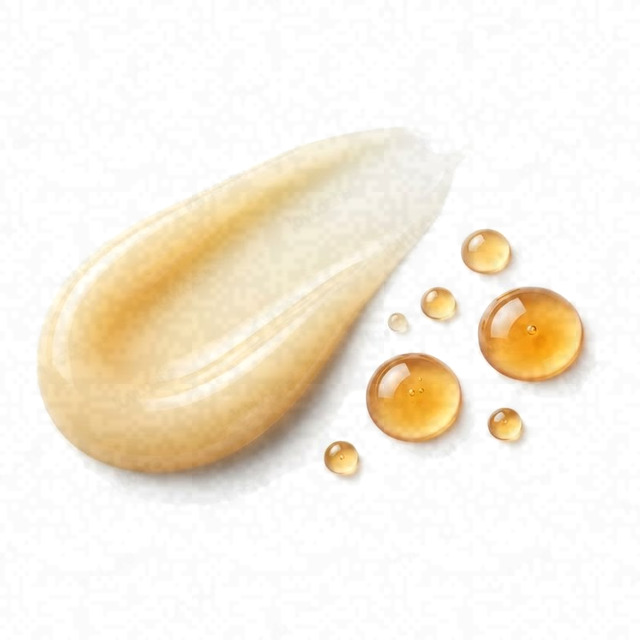 Purcellin Oil
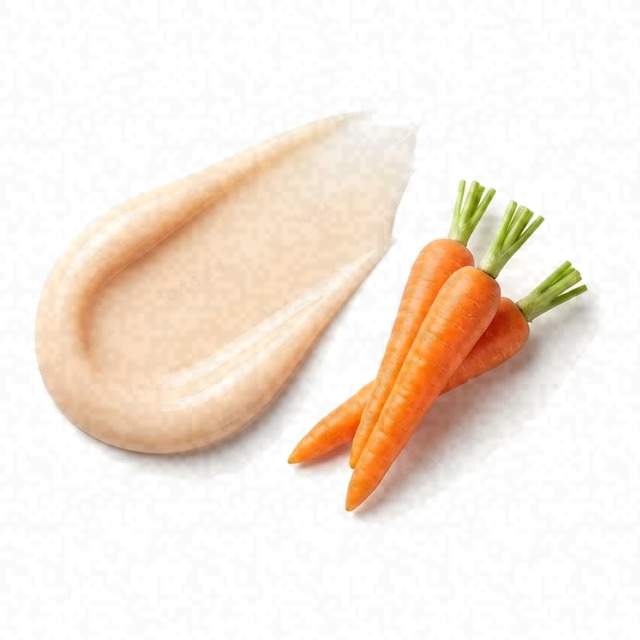 Retinyl Palmitate Vitamin A
 Tocopheryl Acetate Vitamin E
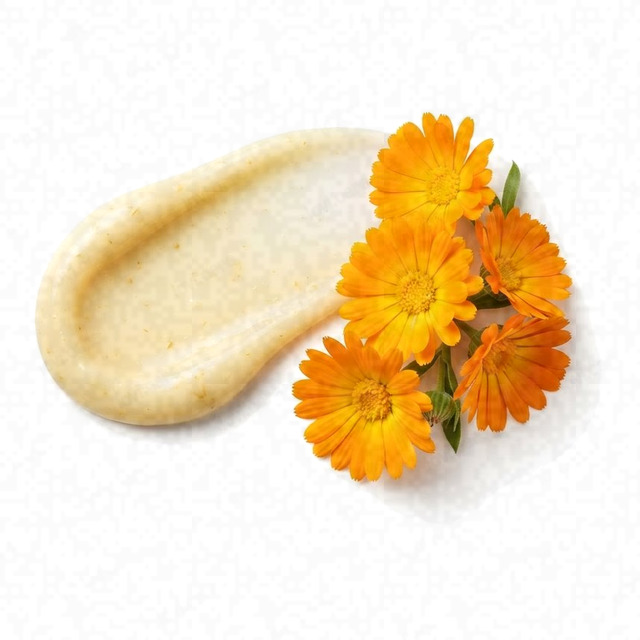 Calendula Officinalis Extract
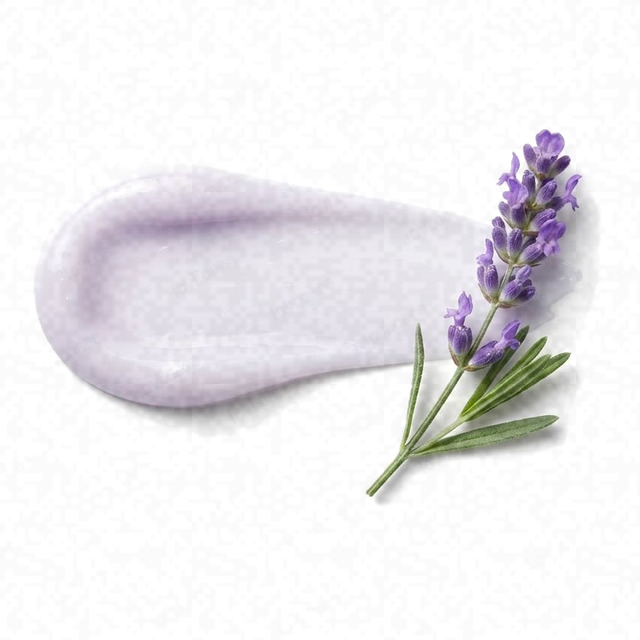 Lavandula Angustifolia Oil Lavender Oil
Caution
- AverageCombination Skin Fit
- AverageEffectiveness
- RiskySafety
A poor match for acne-prone skin; the products alongside fit it better.
This fit is calculated for the concerns frequently associated with acne-prone skin: breakouts, blackheads, and post-acne marks. For scores and recommendations based on your full skin profile, including your 12D face scan results and any goals or preferences you have, please use the Lovi app.
Page built Nov 8, 2026How the Fit score works
Lovi Assistant explains
- Offers moderate moisturizing for your combination skin due to mineral oil and sunflower seed oil enhancing barrier resilience, but the presence of Retinyl Palmitate may pose risks for acne-prone skin by potentially clogging pores.
- The formulation provides some emollient action suitable for combination skin, yet it lacks sufficient ingredients for optimal oil control on your oily areas.
People Say
★4.6Overall rating based on 135.0k+ reviewsWhile many report visible fading of new marks and softer, smoother skin, results for older scars and stretch marks are less consistent and require prolonged use. Some users find the floral scent strong and a small number experience breakouts or a greasy feel.
Highlights
Fades scars & marks Mostly Mentioned
- “C-section scar is barely visible now”
- “helped fade dark acne spots”
- “scars from surgery flattened out”
Deeply hydrating Often Mentioned
- “saved my dry winter skin”
- “keeps elbows and knees soft”
- “cured my flaky patches”
- “skin feels supple all day”
Improves skin texture Often Mentioned
- “skin is baby soft”
- “texture is much smoother”
- “evened out my blotchy skin tone”
- “gives a healthy glow”
Absorbs quickly Sometimes Noted
- “doesn't sit on top of skin”
- “dry oil feel”
- “can put clothes on shortly after”
- “not sticky like other oils”
Multi-purpose use Sometimes Noted
- “mix it with my body lotion”
- “use it on cuticles”
- “great for removing makeup”
- “tames hair frizz”
Slow/no results Sometimes Noted
- “used for months with no difference”
- “didn't touch my old stretch marks”
- “just a glorified moisturizer”
- “waste of money for scars”
Strong floral scent Sometimes Noted
- “smells like grandma's perfume”
- “scent gave me a headache”
- “too much fragrance for sensitive nose”
- “wish it was unscented”
Caused breakouts Rarely Noted
- “broke me out in cystic acne”
- “clogged my pores bad”
- “caused whiteheads on my chest”
- “too heavy for my face”
Greasy residue Rarely Noted
- “left oil spots on my shirt”
- “felt like a greaseball”
- “takes forever to dry”
- “too slick for daytime use”
Messy packaging Rarely Noted
- “bottle gets oily and slippery”
- “leaks in my travel bag”
- “hard to pour just a drop”
- “cap gets messy”
Sources: lovi.care, amazon.com, target.com, ulta.com, walmart.com, hometesterclub.com, and more
Questions and answers
Why does Lovi advise caution with Bio-Oil Skincare Oil for acne-prone skin?
Lovi advises caution because this oil may clog pores on acne-prone skin and lacks the oil control needed for oily areas, even though its mineral oil and sunflower seed oil help moisturize combination skin. A body oil for this skin needs ingredients that help with breakouts and blemishes, soothe without irritation, and provide hydration and repair without causing imbalance.
Which ingredients make this body oil a poor fit for acne-prone skin?
Retinyl Palmitate makes this body oil a poor fit for acne-prone skin by potentially clogging pores. A body oil for acne-prone skin needs ingredients that provide effective benefits for blemishes without the risk of irritation, along with soothing extracts and oil-controlling agents.
What does Purcellin Oil do for acne-prone skin?
Purcellin Oil helps keep acne-prone skin soft and smooth without feeling heavy or greasy. It is light and absorbs easily, making it unlikely to clog your pores or cause breakouts.
What does Retinyl Palmitate do for acne-prone skin?
Retinyl palmitate helps clear acne-prone skin by reducing pimples and breakouts while keeping skin irritation low. This ingredient works gently to improve skin texture and tone without causing the harsh dryness often linked to stronger treatments.
Where does this body oil go in a skincare routine for acne-prone skin?
This body oil is a poor match for acne-prone skin because it may clog pores and lacks oil control, so you should use a lightweight moisturizer and ingredients like niacinamide instead.
Can I use this body oil with retinol, and in what order?
Using this oil with retinol is a poor match because the ingredients may clog pores and trigger breakouts on acne-prone skin. Acne-prone skin needs lightweight, oil-free moisturizers and oil-controlling ingredients instead.
How often should I use this body oil?
This body oil is a poor match for acne-prone skin because Retinyl Palmitate may clog pores and it lacks ingredients for oil control. Acne-prone skin needs lightweight, oil-controlling formulas with ingredients like niacinamide to help keep pores clear.
Can this body oil clog pores, cause breakouts or purging for acne-prone skin?
Yes, this body oil may clog pores and cause breakouts on acne-prone skin because it contains heavy ingredients that can trap oil. A product for this skin needs lightweight, non-clogging hydrators and ingredients that help control excess oil without heavy oils.
Is this body oil fragrance-free and alcohol-free?
It has no drying alcohol and contains fragrance (parfum, benzyl salicylate, citronellol, coumarin, eugenol, farnesol, geraniol, limonene, and linalool).
What the research says
Propylene glycol elevated transepidermal water loss and kallikrein 7 activity in healthy human volunteers compared to isopropyl myristate, propylene glycol laurate, and Transcutol.
European Journal of Pharmaceutical Sciences, 2014Repeated application of concentrated water-in-oil emulsions over four weeks caused no skin irritation, positively affected skin properties, and delivered almost 50% of the applied fluorescein sodium, with isopropyl myristate showing superior penetration performance compared to liquid paraffin in healthy volunteers.
International Journal of Pharmaceutics, 2019Dibutyl adipate, caprylic/capric acid triglycerides with 5% phospholipids, isopropyl myristate, and mineral oil significantly enhance the skin penetration of methyl nicotinate in human volunteers, whereas caprylic/capric acid triglycerides, cetearyl isooctanoate, and dimethicone 100 have no effect.
Journal of Pharmaceutical Sciences, 1995Over-the-counter retinol products provided only weak evidence for a mild ameliorating effect on fine facial skin wrinkle lines in randomized, double-blind, vehicle-controlled trials, and major methodological flaws call the validity of positive results into question.
The Journal of Clinical and Aesthetic Dermatology, 2021A cosmetic niacinamide/peptide/retinyl propionate regimen significantly improved periorbital wrinkle appearance relative to a 0.02% tretinoin regimen at 8 weeks with comparable benefits at 24 weeks, while demonstrating significantly better tolerability in 196 women.
The British Journal of Dermatology, 2010A novel triple-active cosmetic formulation containing 4-hexylresorcinol, retinyl propionate, and niacinamide improved the visual appearance of photoageing similarly to 0.02% tretinoin and reversed a consensus gene signature associated with ageing in female adults while causing less skin irritation.
International Journal of Cosmetic Science, 2024Topical application of an antioxidant serum containing 15% ascorbic acid, 0.5% ferulic acid, and 1% tocopherol prevented particulate matter-induced degradation of extracellular matrix components, inflammation, and oxidative stress in the skin of 15 female volunteers compared to untreated controls.
Journal of Cosmetic Dermatology, 2025Dermatological products containing d-alpha tocopheryl acetate showed non-comedogenic potential with less than a 50% increase in microcomedones in 12 healthy male subjects compared to octyl palmitate.
Contemporary Clinical Trials Communications, 2021Topical application of an antioxidant mix containing 15% ascorbic acid, 0.5% ferulic acid, and 1% tocopherol prevented PM and UV-induced skin barrier perturbation, lipid peroxidation, inflammatory markers, MMP9 activation, and Type I collagen loss in 15 healthy females compared to untreated exposed skin.
Journal of Cosmetic Dermatology, 2024Topical application of Calendula officinalis extract cream significantly improved skin hydration and firmness (reflected in significant changes in R0 and R6 parameters) in 21 healthy human volunteers compared to a base cream.
Acta Poloniae Pharmaceutica, 2011Treatment with standardized extract of Calendula officinalis L. led to a shorter epithelization time and faster healing speed compared to mineral oil in patients with acute skin loss wounds of the hand and fingers healing by secondary intention.
Tissue Barriers, 2022Topical administration of Calendula provides weak evidence of effectiveness in acute and chronic wounds compared to standard treatments based on a narrative review of available trials.
Wounds, 2008Polysaccharide-based O/W emulsions incorporated with lavender essential oil applied to cellulosic support are non-irritating, provide softness and moisturizing effects, and are safe for topical patch applications.
International Journal of Biological Macromolecules, 2021Gellan gum hydrogel films co-encapsulating ofloxacin with tea tree or lavender oil achieved 98% wound contraction and completely healed epidermis in rats after ten days of treatment compared to baseline.
International Journal of Biological Macromolecules, 2021Topical application of lavender oil significantly promoted wound contraction, collagen synthesis, and fibroblast differentiation with up-regulation of TGF-beta in a rat model compared to control.
BMC Complementary and Alternative Medicine, 2016
Ingredients
Paraffinum Liquidum Mineral Oil, Triisononanoin, Cetearyl Ethylhexanoate, Isopropyl Myristate, Retinyl Palmitate, Helianthus Annuus Seed Oil Sunflower Seed Oil, Tocopheryl Acetate, Anthemis Nobilis Oil Flower, Lavandula Angustifolia Oil Lavender Oil, Rosmarinus Officinalis Oil Leaf Rosemary Oil Leaf, Calendula Officinalis Extract, Glycine Soja Oil Soybean Oil, Bisabolol, Tocopherol, Parfum, Alpha-Isomethyl Ionone, Amyl Cinnamal, Benzyl Salicylate, Citronellol, Coumarin, Eugenol, Farnesol, Geraniol, Hydroxycitronellal, Limonene, Linalool, Red 17 Ci 26100
Behind this fit score
Lovi calculates every fit score from the full ingredient list with brand-independent rules our dermatologists and cosmetic chemists build and review, and personalizes every pick with AI trained on the real results of millions of users. Lovi trains its fit score models on a proprietary dataset built from more than 10,000 expert-labeled products and more than 100,000 simulated examples, following an internally consistent methodology presented at Cosmoprof, AMWC, and Skin of Color Update.
-

Co-founder, Medical Director
Cosmetic chemist, cosmetologist, aesthetic products developer
-

Co-founder, CEO and CTO
PhD in computer science, 3x US patent holder, ex-Google, ex-Yandex
-

Dr. Sofía Perea Pérez, MD, MSc
Medical Board
Aesthetic medicine practitioner, MSc in Longevity and Anti-Aging Medicine
-

Medical Board
Specialist dermatologist, MBBS, MD, IFAAD
-

Medical Board
Cosmetic chemist, SCS, IFSCC member
-

Medical Board, Medical Advisor
Dermatology MD
-

Elina Nazarenko, MD
Medical Board
Dermatology and diagnostic consultant
-

Victoria Derkova, MS
Medical Board
Cosmetic chemist, cosmetic development technologist


How does it fit your skin?
Scan your face, then any product: Lovi shows how well it fits you and what fits even better.