Advanced Clinicals Retinol Advanced Firming Cream for oily acne-prone skin

 Retinol
 Aloe Barbadensis
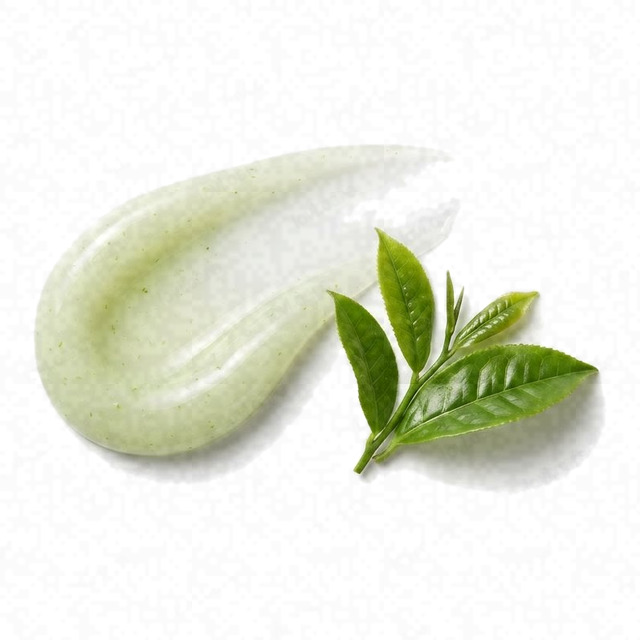 Camellia Sinensis
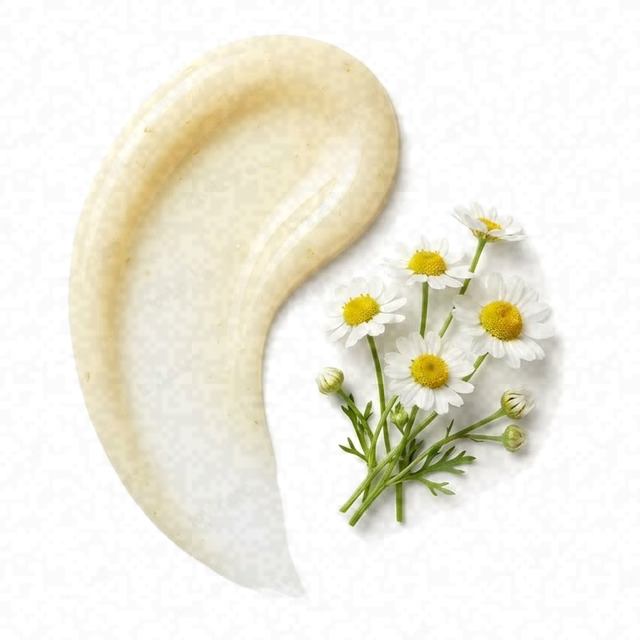 Chamomile
 Glycerin
Low
- AverageOily Skin Fit
- AverageEffectiveness
- ConcerningSafety
A weak match for oily acne-prone skin; the serums alongside fit it better.
This fit is calculated for the concerns frequently associated with oily acne-prone skin: shine, breakouts, blemishes, and enlarged pores. For scores and recommendations based on your full skin profile, including your 12D face scan results and any goals or preferences you have, please use the Lovi app.
Page built Nov 8, 2026How the Fit score works
Lovi Assistant explains
- Offers moderate anti-aging benefits for your oily skin due to retinol's ability to regulate desquamation, but its effectiveness for acne and breakouts is limited by potentially pore-clogging ingredients like mineral oil and isopropyl myristate.
- While retinol addresses oiliness to some extent, the formula lacks sufficient seboregulating ingredients to fully manage excess oil production on your oily skin.
How to apply
- Could be used as part of your PM routine. Start 3 times a week and build up to daily use if your skin tolerates it well.
- Apply your serum after cleansing and toning, but before putting on your moisturizer.
- Gently press 2 to 3 drops of the serum into your skin and let it absorb for a minute.
- Apply the serum on clean, dry skin to help manage your blemishes safely.
- Do a patch test before your first use and avoid the delicate eye area.
People Say
★4.6Overall rating based on 52.4k+ reviewsBased on a very large amount of data, this product is highly praised for enhancing skin texture, increasing elasticity, and diminishing fine lines, particularly for aging and sensitive skin types. Some users with very dry skin report it can be drying and may require additional moisturizers. The product is frequently noted for its quick absorption, excellent value, and fragrance-free formulation.
Highlights
Absorbs quickly Often Mentioned
- “Absorbs quickly and feels non-greasy”
- “Quick absorption and lack of fragrance”
- “Absorbs into skin without residue”
- “Spreads and absorbs well”
Great value Often Mentioned
- “Amazing quality for the price”
- “Great value for soft skin”
- “Exceptional retinol product at a wonderful value price”
- “Provides great value at a lower cost”
Improves skin texture Often Mentioned
- “My skin feels firmer, smoother, and well-hydrated”
- “Leaves skin soft to the touch”
- “Makes my skin very soft”
- “Good things about the reduction in lines and the added firmness”
Fragrance-free formula Sometimes Noted
- “It's fragrance-free, gentle even with retinol”
- “Absolutely no smell at all”
- “Lack of fragrance”
- “I believe it is unscented”
Causes skin dryness Sometimes Noted
- “My skin immediately feels dry like it feels dehydrated”
- “Caused my skin to look and feel dry”
- “Insufficiently moisturizing on its own”
- “Dried out my skin”
Faulty pump packaging Rarely Noted
- “One of the pumps does not work”
- “Pump is very large... pumps out a lot of product”
- “Terrible packaging”
- “Lids that were very loosely on”
Watery consistency Rarely Noted
- “Super thin and watery”
- “Very thin and sticky consistency”
- “Takes a while to rub it into your skin”
- “Taking a long time to dry”
Sources: lovi.care, iherb.com, walmart.com, retinol.com, gopicky.com, and more
Questions and answers
Why is Advanced Clinicals Retinol Firming Cream a weak match for oily acne-prone skin?
This cream is a weak match for oily acne-prone skin because it contains heavy ingredients like mineral oil and isopropyl myristate that may clog pores, and it lacks enough oil-controlling ingredients to manage excess shine. Oily acne-prone skin needs a treatment with lightweight, non-clogging ingredients like niacinamide, propolis, or benzoyl peroxide that help clear breakouts and manage excess oil without causing new blemishes.
Which ingredients make this cream a poor fit for oily acne-prone skin?
Mineral oil and isopropyl myristate make this cream a poor fit because they may clog pores on oily acne-prone skin. A product of this type for this skin needs ingredients like niacinamide, propolis, benzoyl peroxide, or Vitamin C to manage breakouts and excess oil without heavy or pore-clogging components.
What does Retinol do for oily acne-prone skin?
Retinol helps oily acne-prone skin by clearing up breakouts and smoothing the skin, though it may occasionally cause some mild scaling or stinging. This ingredient works by addressing the root causes of acne, making it a reliable choice for keeping pores clear and skin smooth.
American Journal of Clinical Dermatology, 2019Journal of Drugs in Dermatology, 2018
What does Aloe Vera do for oily acne-prone skin?
Aloe vera helps calm oily, acne-prone skin by reducing redness, bumps, and breakouts while keeping the skin smooth. This plant-based ingredient also supports clearer skin and helps improve overall skin texture.
Where does this cream go in a skincare routine for oily acne-prone skin?
This treatment goes in the evening routine after cleansing and toning, but it is a weak match for oily acne-prone skin because heavy ingredients like mineral oil and isopropyl myristate may clog pores. Oily acne-prone skin needs lightweight, oil-controlling formulas with pore-clearing ingredients to properly manage breakouts and excess shine without heavy oils.
Can I use this cream with vitamin C, and in what order?
This cream is a weak match for your oily acne-prone skin because it contains pore-clogging ingredients like mineral oil and isopropyl myristate that limit its effectiveness for breakouts. To properly care for oily acne-prone skin, a product of this type needs lightweight ingredients that help control excess oil without clogging pores.
How often should I use this cream?
You can use this treatment cream in the evening, starting once a week and slowly increasing the frequency if your skin tolerates it well. While retinol helps smooth oily skin, this product needs a lightweight formula free of pore-clogging ingredients like mineral oil and isopropyl myristate to properly manage acne breakouts.
Can this cream clog pores, cause breakouts or purging for oily acne-prone skin?
Yes, this cream can clog pores and cause breakouts on oily acne-prone skin because it contains heavy ingredients like mineral oil and isopropyl myristate. While retinol helps smooth the skin, a product for this skin type needs lightweight, non-clogging hydrators and ingredients that actively control excess oil without heavy oils.
Is this cream fragrance-free and alcohol-free?
Yes, it has no fragrance and no drying alcohol. Cetearyl alcohol is a fatty alcohol, which soften the skin.
What the research says
Topical 0.4% retinol significantly increased epidermal thickness, dermal vascularity, and extracellular matrix production by stimulating keratinocyte proliferation, endothelial cell proliferation, and fibroblast activation in naturally aged human skin compared to vehicle.
International Journal of Cosmetic Science, 2017Topical bakuchiol 0.5% applied twice daily compared with retinol 0.5% applied daily significantly decreased wrinkle surface area and hyperpigmentation with no statistical difference between the compounds in 44 patients over 12 weeks, while retinol users reported more facial skin scaling and stinging.
The British Journal of Dermatology, 2019Silicone particles encapsulating retinol increased its half-life by 9-fold and yielded 12-23% lower skin irritation in human subjects compared to Microsponge particles while maintaining biological activity.
Journal of Controlled Release, 2018Topical stabilized retinol treatment induced HAS gene expression and increased hyaluronic acid production in human skin in vitro, ex vivo, and in vivo compared to vehicle.
Archives of Dermatological Research, 2017Topical application of all-trans-retinol induced epidermal thickening and increased retinoid binding protein expression similar to all-trans-retinoic acid in normal human skin, but without causing significant erythema or measurable retinoic acid levels.
The Journal of Investigative Dermatology, 1995A cream combining propolis, tea tree oil, and Aloe vera reduced erythema scars, acne severity index, and total lesion count better than erythromycin cream in sixty patients with mild to moderate acne vulgaris compared to placebo.
Clinical Pharmacology, 2018Topical aloe vera gel significantly accelerated split-thickness skin graft donor-site healing compared to placebo in 12 patients, but showed no significant difference in pain relief.
Plastic and Reconstructive Surgery, 2018Topical application of Aloe vera cream reduced postoperative pain at rest and during defecation, accelerated wound healing at two weeks, and decreased analgesic requirements in patients after open hemorrhoidectomy compared to placebo.
Journal of Alternative and Complementary Medicine, 2010Topical green tea extract significantly improved clinical symptoms, tear breakup times, and meibomian gland health compared to standard treatment in patients with dry eye and Meibomian Gland Dysfunction.
Journal of Clinical and Diagnostic Research, 2017Topical low-dose green tea extract reduces UVB-induced p53 expression and apoptosis in human skin keratinocytes compared to placebo.
Experimental Dermatology, 2009An anti-acne hydrogel containing Aloe barbadensis, Garcinia mangostana, and Camellia sinensis extracts showed superior antiacne and antiblotch activities compared to 1% clindamycin gel in sixty subjects with mild-moderate acne.
Clinical, Cosmetic and Investigational Dermatology, 2019Apigenin protects against UVA-induced cytotoxicity and senescence in normal human dermal fibroblasts, decreases MMP-1 expression, and when applied topically as a cream in human subjects, increases dermal density and elasticity while reducing fine wrinkle length, skin evenness, moisture content, and transepidermal water loss compared to control cream.
International Journal of Molecular Medicine, 2016Topical chamomile oil combined with a night splint significantly improved the symptomatic and functional status of patients with severe carpal tunnel syndrome compared to placebo, while electrodiagnostic parameters showed no significant changes.
Complementary Therapies in Clinical Practice, 2015German chamomile solution applied twice a day healed peristomal skin lesions significantly faster than once-a-day 1% hydrocortisone ointment in colostomy patients, with a mean healing time of 8.89 days versus 14.53 days.
Ostomy/wound Management, 2011A single application of a moisturizing fluid containing hyaluronic acid 1%, glycerin 5%, and Centella asiatica stem cells extract significantly increased skin hydration by 29% and reduced transepidermal water loss at 24 hours compared to baseline and an untreated control site in twenty healthy women.
Clinical, Cosmetic and Investigational Dermatology, 2017The emollient V0034CR significantly reduced TEWL compared to vehicle and vehicle plus glycerol, and significantly increased corneometry scores compared to vehicle and vehicle plus petrolatum in healthy volunteers with dry skin, demonstrating combined barrier function improvement from petrolatum and hydration improvement from glycerol.
Journal of Cosmetic Dermatology, 2020Ten days of treatment with a cream containing 20% glycerin significantly increased skin hydration measured by corneometer values in 17 healthy volunteers compared to a placebo cream, but showed no influence on transepidermal water loss or skin sensitivity to an irritating surfactant.
International Journal of Cosmetic Science, 2001
Why other serums fit oily acne-prone skin better
Topical benzoyl peroxide 5% gel treatment improved acne severity, sebum, stratum corneum hydration, and transepidermal water loss, while significantly reducing microbial diversity and the prevalence of Cutibacterium in 33 patients with acne vulgaris.
Dermatologic Therapy, 2022Niacinamide and ferulic acid incorporated in a stable multiple emulsion successfully reduced melanin, sebum, and skin erythema while improving skin elasticity and hydration in human skin compared to a placebo.
BioMed Research International, 2022
Ingredients
Water, Mineral Oil, Cetearyl Alcohol, Glyceryl Stearate Se, Isopropyl Myristate, Glycerin, Butylene Glycol, Ceteareth-20, Caprylic Capric Triglyceride, Retinol, Aloe Barbadensis Leaf Juice, Camellia Sinensis Leaf Extract, Anthemis Nobilis Flower Extract, Acrylates C10-30 Alkyl Acrylate Crosspolymer, Disodium Edta, Maltodextrin, Phenoxyethanol, Iodopropynyl Butylcarbamate, Caprylyl Glycol, Sodium Hydroxide
Behind this fit score
Lovi calculates every fit score from the full ingredient list with brand-independent rules our dermatologists and cosmetic chemists build and review, and personalizes every pick with AI trained on the real results of millions of users. Lovi trains its fit score models on a proprietary dataset built from more than 10,000 expert-labeled products and more than 100,000 simulated examples, following an internally consistent methodology presented at Cosmoprof, AMWC, and Skin of Color Update.
-

Co-founder, Medical Director
Cosmetic chemist, cosmetologist, aesthetic products developer
-

Co-founder, CEO and CTO
PhD in computer science, 3x US patent holder, ex-Google, ex-Yandex
-

Dr. Sofía Perea Pérez, MD, MSc
Medical Board
Aesthetic medicine practitioner, MSc in Longevity and Anti-Aging Medicine
-

Medical Board
Specialist dermatologist, MBBS, MD, IFAAD
-

Medical Board
Cosmetic chemist, SCS, IFSCC member
-

Medical Board, Medical Advisor
Dermatology MD
-

Elina Nazarenko, MD
Medical Board
Dermatology and diagnostic consultant
-

Victoria Derkova, MS
Medical Board
Cosmetic chemist, cosmetic development technologist


How does it fit your skin?
Scan your face, then any product: Lovi shows how well it fits you and what fits even better.